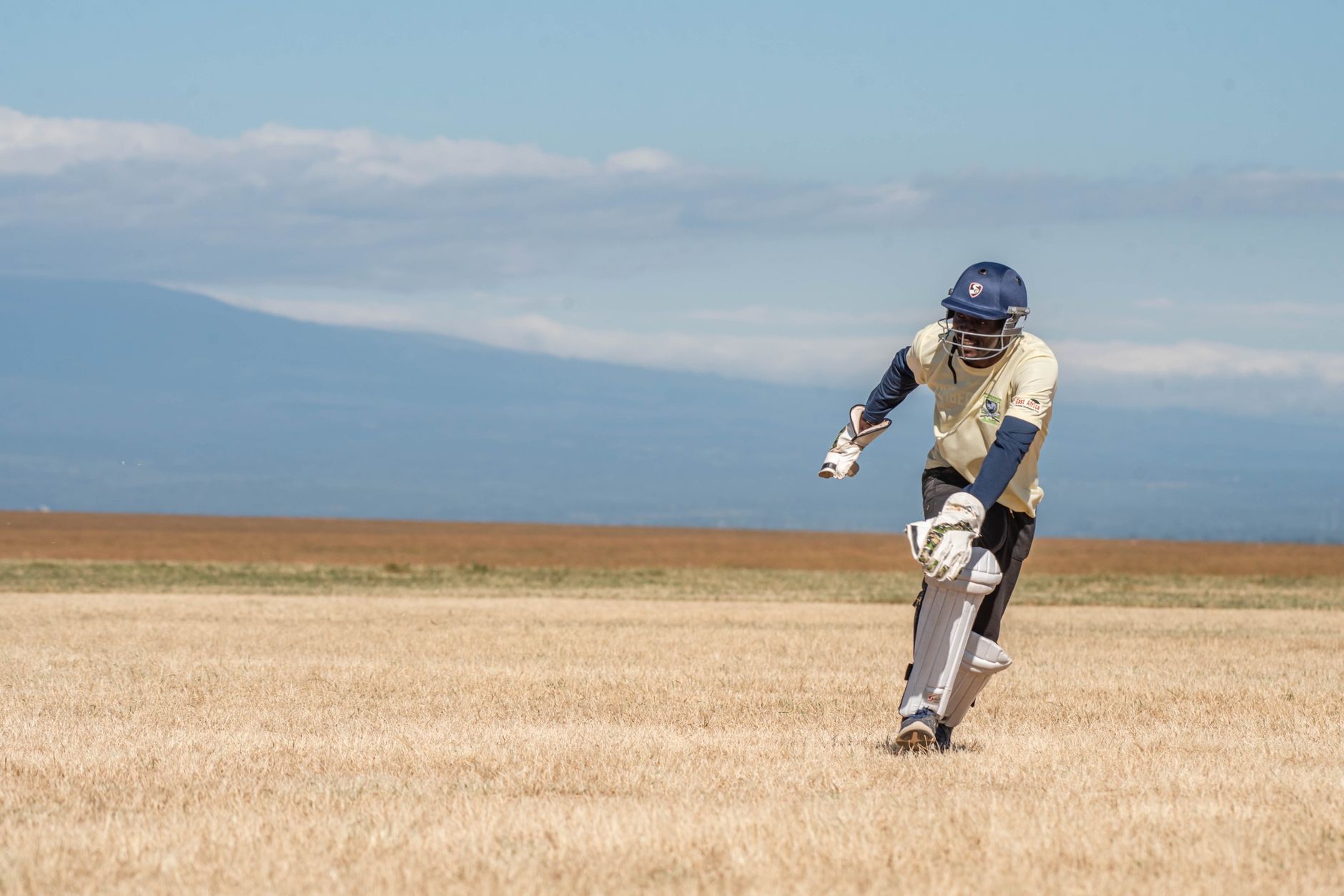
As the Indian cricket team arrived at Eden Park in Auckland for the opening match of a five‑match One‑Day International (ODI) series against New Zealand, the outfield became a training ground for a targeted fielding exercise. Divided into groups of four, the players sprinted between two cones placed an equal distance apart and intercepted balls delivered by fielding coach Subhadeep Ghosh and other support staff. The drill, which lasted roughly thirty minutes, required each player to call out loudly while approaching the ball, then, if they reached it first, to throw it back to the originator. The emphasis was on running in straight lines, even when the ball arrived from varied angles, a concept the staff described as “cutting the angles.”
Why straight‑line running matters in Auckland
Former India fielding coach R Sridhar, who was part of the staff on the team’s last tour, explained that Auckland’s ground dimensions differ markedly from those Indian players are accustomed to. “Cutting the angle means running in straight lines. Simple. You assess the speed of the ball and the dimensions, and then you run towards the ball in a straight line. Awareness, the ability to run and take off quickly – all these things are the challenges,” Sridhar told the Times of India. He added that the floodlights, wind, colder conditions and the specific start time of the match could also affect fielding performance.
With only a single practice session before the Wednesday match, the team’s ability to adapt quickly to Eden Park’s layout will be crucial. Sridhar noted that each venue on the tour presents its own set of variables: “There is wind in Wellington, and different dimensions in Auckland – where the countryside is bigger – but Bay Oval should be fine. It is on the open side, but conditions will be fine for adjustment.”
Fielding under the microscope: recent statistics
India’s fielding has become a focal point ahead of the series, particularly as “catching efficiency” gains prominence as a performance metric. Since the change of captaincy in ODIs, which began with the Australian tour last year, India has played 18 ODIs. In those matches the side has dropped 27 catches, resulting in a catching efficiency of 77.5%, a figure that falls short of the team’s historic standards.
Individual records highlight the issue. All‑rounder Kuldeep Yadav has dropped five catches in the 11 ODIs he has featured in, while opening batsman KL Rahul has been responsible for four drops across 16 matches. In contrast, captain Rohit Sharma leads the team in successful catches, having taken 15 and only missed two.
These numbers have prompted the coaching staff to stress that there is no universal remedy for fielding lapses. Sridhar emphasized that preparation must be tailored to each player’s mental state and prior experience. “Preparation volume depends on the player’s mental state, what the player needs at that point, and what he has done before. You just can’t go blindly and say everybody has to do this volume. It doesn’t work that way,” he said. He added that the experience within the ODI squad – including veterans Rohit Sharma, Virat Kohli and Shubman Gill – should help navigate the challenges presented by the New Zealand venues.
Tour itinerary and the road ahead
After the opening encounter at Eden Park, the Indian side will travel to Wellington, where wind is expected to be a significant factor, before moving to Seddon Park in Hamilton. The series will conclude at Bay Oval in Mount Maunganui, a venue described by Sridhar as “open side” but manageable for the squad.
The coaching staff’s early focus on straight‑line running and angle awareness reflects a broader strategy to tighten fielding standards across diverse conditions. By familiarising players with the specific dimensions of each ground and reinforcing the discipline of calling out and moving decisively, the team hopes to reduce the number of dropped catches that have weighed on its recent ODI record.
As the first ODI approaches, the success of the “cutting the angles” drill will be measured not only by how quickly players can retrieve the ball, but also by whether the practice translates into fewer missed chances on the field. The stakes are high: improved fielding could prove decisive in a tightly contested series against a New Zealand side that will look to exploit any lapses.






Be First to Comment