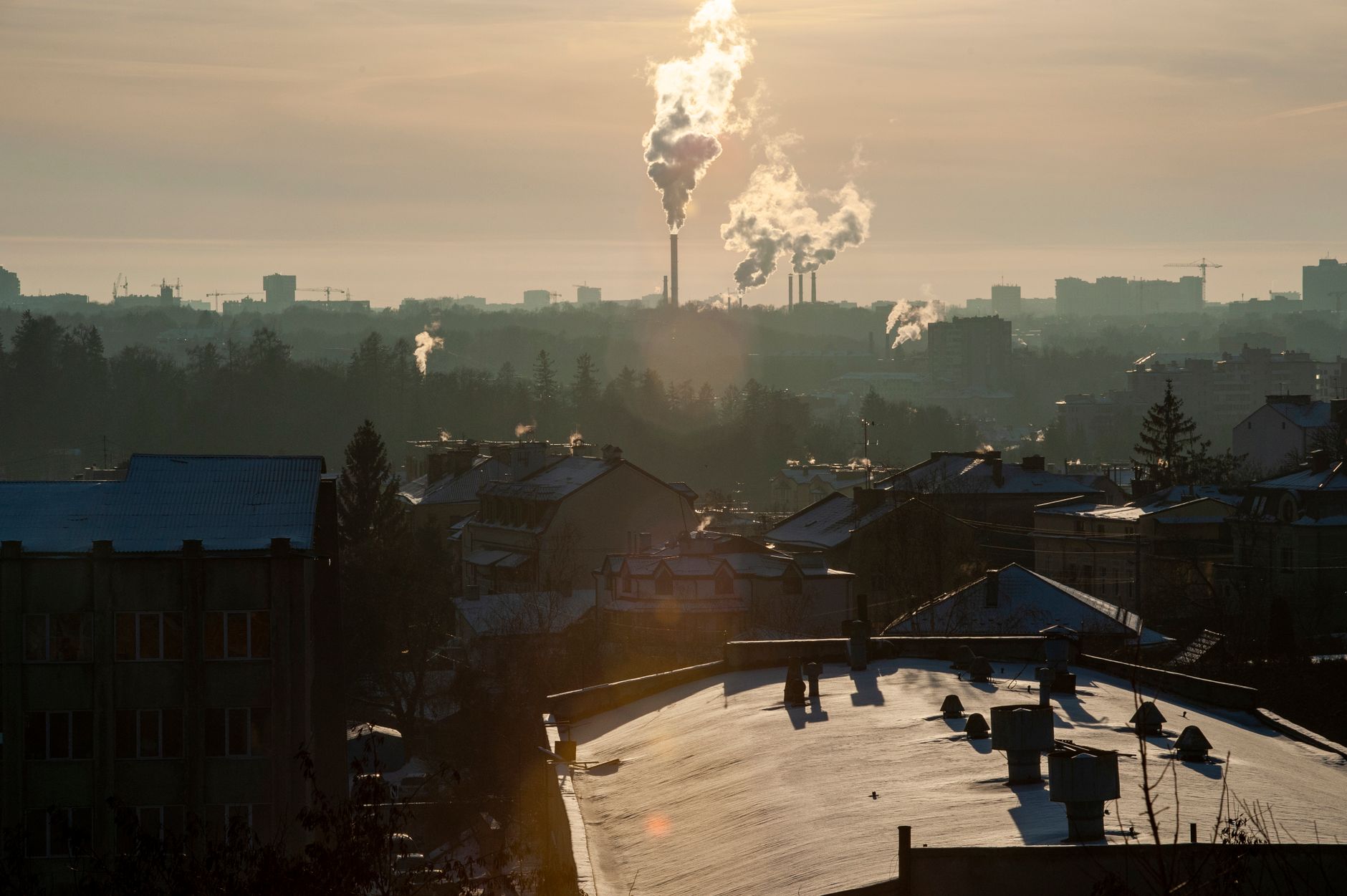
As winter settles over India’s capital, a grey haze and a sharp, smoky smell have begun to fill the streets of Delhi. Residents are already reporting eye irritation, difficulty breathing, coughing and sneezing. For many, the season brings a familiar routine of buying air purifiers, wearing masks or covering faces with cloth, and sealing windows to keep the polluted air out.
Government’s winter action plan
In response, the Delhi government announced a Winter Action Plan that runs from 1 November to 28 February, covering the months when pollution typically spikes. The plan, unveiled months before the worst of the smog is expected, aims to curb emissions from several sources. It restricts entry of older, higher‑emitting vehicles that are registered outside the city and denies fuel to vehicles lacking a certification of compliance with emission standards. Demolition activities and outdoor construction that generate dust have been temporarily banned.
To reduce private vehicle use, the administration has asked offices to allow half of their staff to work from home, introduced staggered office timings for its own employees, and doubled parking charges. Officials also say they will strengthen pollution monitoring and enforcement, promote public transport and electric vehicles, and work in coordination with the federal Graded Response Action Plan (GRAP) overseen by the Commission for Air Quality Management.
GRAP, which introduces restrictions in stages as pollution levels rise, is currently in its second stage. This stage limits the use of diesel generators and bans the burning of coal and firewood.
Expert views on the plan’s effectiveness
Environmental analysts acknowledge the plan as a step in the right direction, noting that previous measures were often introduced only after air quality had deteriorated beyond acceptable limits. Parthaa Bosu, strategic adviser at the Environmental Defense Fund, said the planning shows “a lot of positive changes,” but warned that execution remains a challenge and that enforcement will determine success.
Other experts argue that the current focus on vehicles, construction and stubble burning does not address the full scope of the problem. Manoj Kumar, an analyst at the Centre for Research on Energy and Clean Air, called for sector‑wide emission targets covering power generation, industry and transport. He emphasized that each sector’s contribution is known and that five‑year reduction targets could be set.
Bosu also highlighted the role of secondary pollutants—gases that react with sunlight, water vapour and other substances to form harmful particles. He pointed out that dust from ground disturbance, coal and fly ash, brick‑kiln emissions and large‑scale urban waste burning all add to Delhi’s smog, yet receive limited attention.
Another dimension of the challenge is the influx of pollutants from neighbouring states and other parts of northern India. Bosu explained that even robust city‑level actions can only achieve limited results without coordinated action across the region.
Health impacts and daily disruptions
Winter air quality in Delhi frequently registers Air Quality Index (AQI) readings above 300, classified as “very poor.” On the worst days, AQI values can reach 500, the highest point on India’s scale, while international monitors such as Swiss‑based IQAir have recorded levels close to 1,000. The World Health Organization recommends 24‑hour average PM2.5 concentrations not exceed 15 µg m⁻³; during Delhi’s pollution season, levels often exceed that limit by more than 25‑fold.
Dr Manoj Goel, head of the pulmonology unit at Fortis Memorial Research Institute, warned that these fine particles can penetrate deep into the lungs, enter the bloodstream, trigger inflammation and affect multiple organs. Short‑term exposure may cause throat irritation, coughing, wheezing and breathlessness, and can exacerbate existing heart and lung conditions.
Beyond health, the new restrictions are disrupting daily life. Delhi’s close ties with satellite towns such as Noida and Gurugram mean thousands of commuters travel across city borders each day. Vehicles stopped for checks have created long queues, leaving commuters stuck in traffic for hours.
Public frustration is growing. Protests, political debates and court interventions have become a recurring part of the annual pollution cycle. Yet despite mounting pressure, the smog returns each winter.
For residents like Meenu Rana, a 43‑year‑old teacher, the season is a test of endurance. Her living room holds a box of Diwali decorations and another full of air purifiers. “The mornings have already started feeling stuffy. It will get worse in the coming days, so it’s better to be prepared,” she said. Rana keeps her windows closed, draws curtains and has added indoor plants, but acknowledges the limited options available. “I would have left the city long ago had there been an option, but my son has his school, my husband and I have our jobs as well, which makes it practically impossible,” she explained.
As Delhi confronts another winter of hazardous air, the effectiveness of the Winter Action Plan will be measured not only by the number of restrictions announced, but by how consistently they are enforced and whether neighboring regions join the effort. The city’s residents, meanwhile, continue to adapt to a season where breathing clean air remains a daily challenge.






Be First to Comment