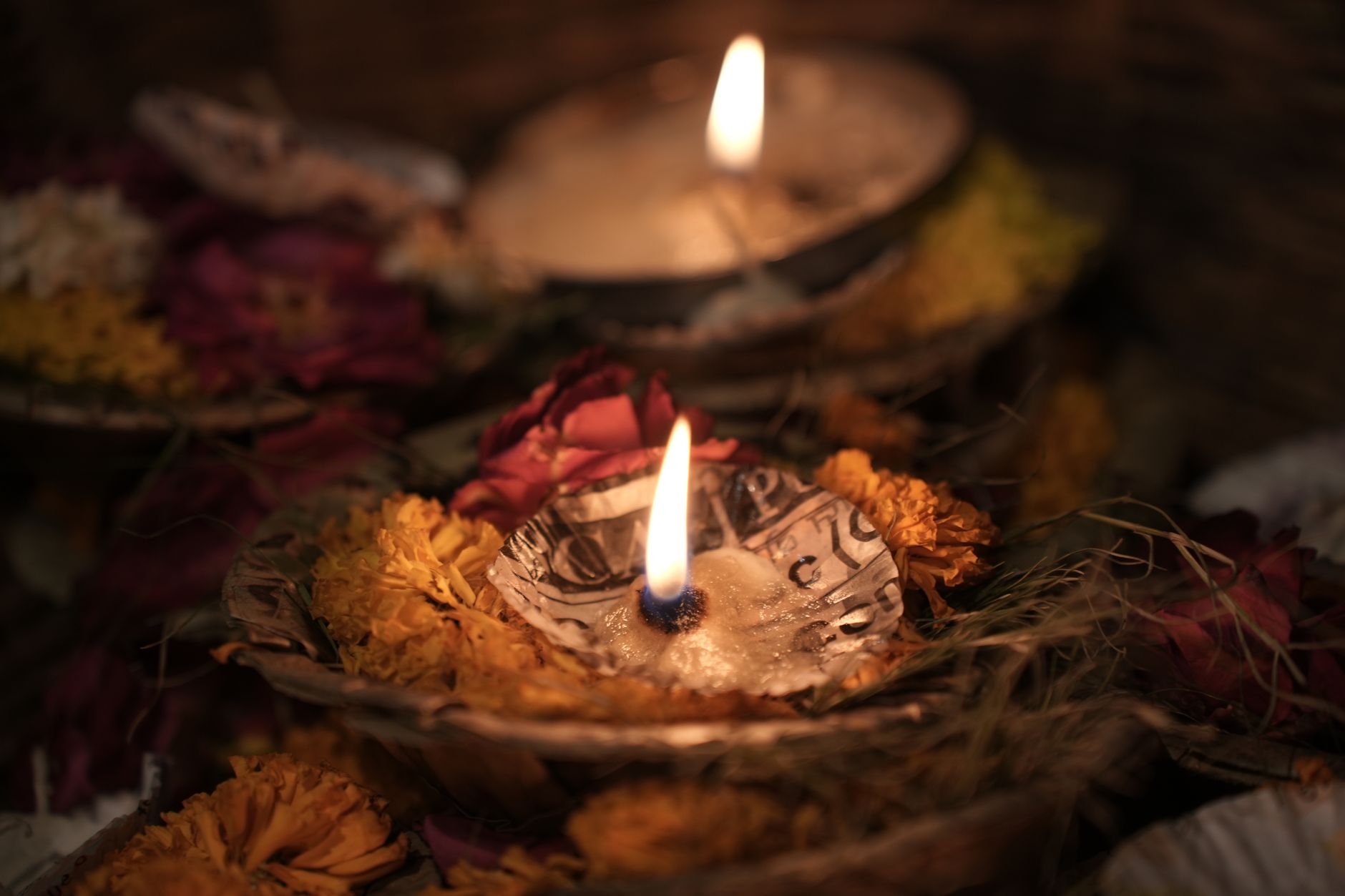
On Friday, U.S. President Donald Trump took part in a Diwali celebration inside the Oval Office, lighting a traditional oil lamp – or diya – as part of a ceremony that brought together senior Indian‑American officials, business leaders and cultural figures. The event, reported by the press agency PTI, marked another instance of the United States’ highest office acknowledging the Hindu festival of lights.
Key participants and the ceremony
The gathering featured a roster of prominent members of the Indian diaspora. India’s ambassador to the United States, Vinay Mohan Kwatra, was present, as were FBI Director Kash Patel and celebrated chef Vikas Khanna. Technology and health leaders also attended, including IBM chief executive Arvind Krishna and National Institutes of Health director Jay Bhattacharya. Among the entrepreneurs was Vishal Gondal, founder of the fitness‑technology firm GOQii.
During the ceremony, President Trump stood beside the dignitaries as a single diya was lit in the Oval Office. The lighting of the lamp symbolised the triumph of light over darkness, a core theme of Diwali. According to the reporting, the president’s participation followed a tradition that dates back to the early 2000s.
Historical context of White House Diwali events
The practice of marking Diwali at the White House began under former President George W. Bush in 2003, PTI noted. In 2009, President Barack Obama became the first sitting president to light a diya, doing so in the East Room. Since then, subsequent administrations have organized lamp‑lighting ceremonies at various locations within the executive residence, reflecting the growing visibility of the Indian community in America.
Entrepreneur Vishal Gondal’s gift and remarks
Vishal Gondal used the occasion to share a personal gesture with the president. In a post on the social‑media platform X on Saturday, Gondal wrote that he had presented President Trump with a copy of the “Hanuman Chalisa,” a devotional hymn composed by the poet Tulsidas that is recited for courage, devotion and strength. The entrepreneur described the moment as “a moment of shared light in the Oval Office.”
Gondal’s post included several statements that underscored the symbolic nature of the event. He said, “As the diyas were lit, my prayer was for friendship between India and America, and for the triumph of light over darkness.” He also invoked the traditional Indian blessing “Jug Jug Jiyo,” explaining that it means “may you live for ages” and extending wishes of peace, prosperity, good health and longevity to “everyone around the world.”
In addition to the gift, Gondal highlighted his pride in celebrating the festival alongside the president, noting that the Hanuman Chalisa is a text “millions of us recite for courage, devotion and strength.” His remarks were accompanied by photographs of the ceremony, showing the diya, the participants and the presidential seal in the background.
The presence of Indian‑American leaders from government, technology, health and culinary fields illustrated the broad spectrum of contributions the diaspora makes to U.S. society. Chef Vikas Khanna, known for popularising Indian cuisine abroad, and IBM CEO Arvind Krishna, who leads a multinational technology corporation, both represented the cultural and economic bridges between the two nations.
While the ceremony was largely symbolic, organizers and attendees framed it as an affirmation of the “friendship between India and America.” The lighting of a single lamp in the Oval Office, a space traditionally reserved for the nation’s most solemn moments, was presented as a visual metaphor for the shared values of both countries.
President Trump’s participation in the Diwali event aligns with a broader pattern of U.S. presidents using cultural observances to signal diplomatic goodwill. By engaging directly in the ritual, the president joined a line of his predecessors who have used the occasion to acknowledge the growing influence of the Indian community in the United States.
Overall, the White House Diwali celebration on Friday combined ritual, diplomatic symbolism and personal gestures, culminating in a moment that both honored an ancient festival and highlighted contemporary ties between the United States and India.






Be First to Comment