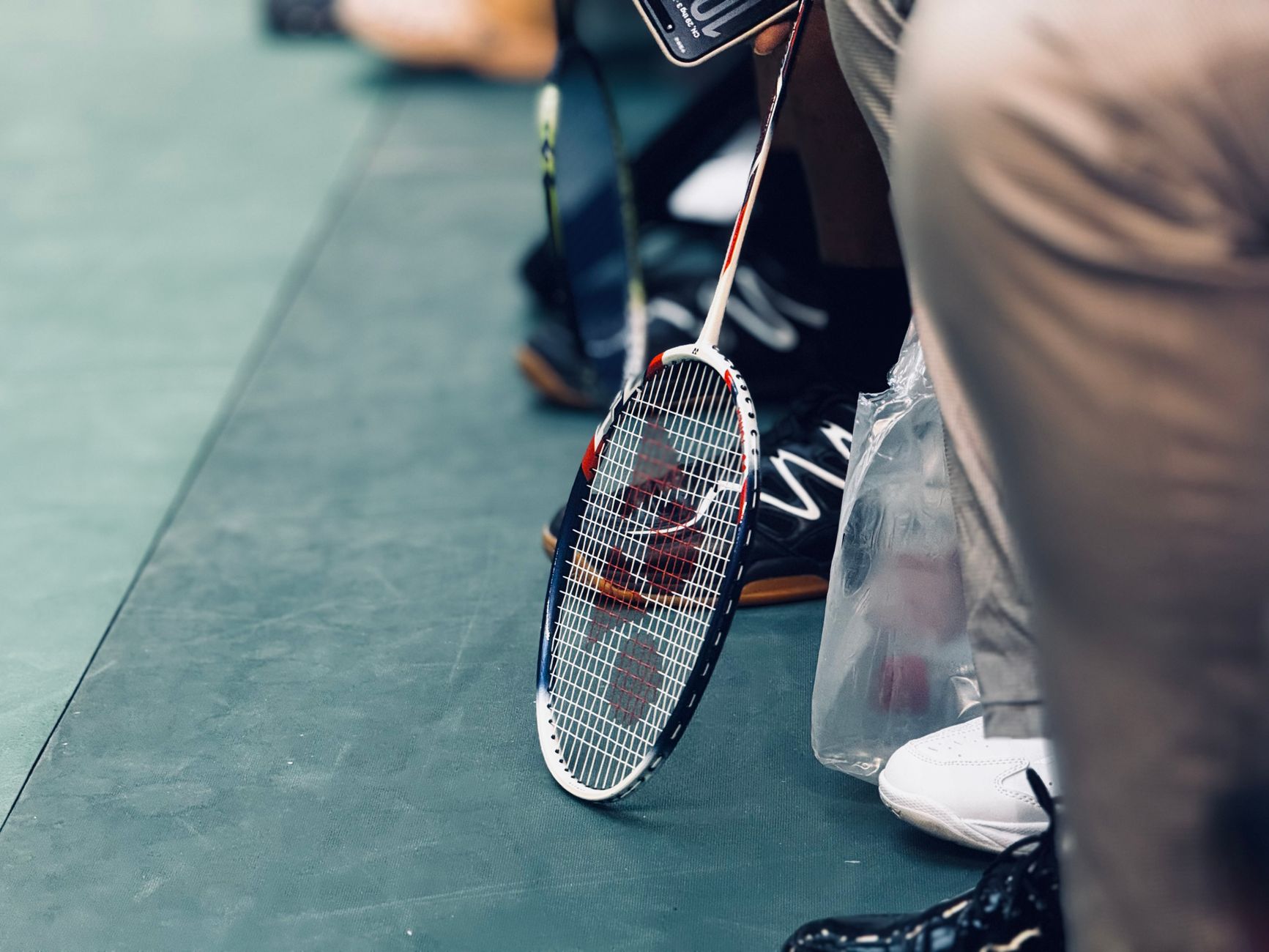
In the girls’ singles final of the Youth Olympic Games in Dakar, 15‑year‑old Tanvi Patri produced one of the most memorable comebacks in recent badminton history. The Indian shuttler fought back from a 10‑19 deficit in the deciding game against world junior champion Zhang Yi Xin, saved six match points and even created three of her own before ultimately losing 15‑21, 21‑13, 24‑26. While the narrow defeat left many observers heart‑broken, her father, Rabinarayan Patri, focused on the broader significance of the silver medal.
Dramatic Final in Dakar
The match unfolded on a humid Thursday night in Dakar, with Tanvi battling not only a skilled opponent but also the challenging conditions of the venue. She had arrived at the Youth Olympics after a bout of illness that struck her during the World Junior Championships, a setback that followed a long journey from India. Once in Dakar, the young athlete contended with intense heat, a lack of air‑conditioning and even mosquitoes inside the arena. Despite those obstacles, she managed to push the reigning world junior champion to a marathon third game that extended to 24‑26.
During the decisive game, Tanvi saved six match points, demonstrating remarkable resilience. At 24‑23 she had an opportunity to clinch the title, but a smash that landed just wide of the line ended the rally. She later described the moment as “purely down to luck,” acknowledging that a different line call could have altered the result. Nevertheless, her father expressed satisfaction that she completed the tournament in good health, a factor he deemed more important than the final score.
Father’s Perspective from the Airport
Rabinarayan Patri was not present in the stadium when his daughter fought back. He was in an airport, attempting to catch a flight, and learned of the match’s progress from updates. Speaking to the Times of India from Dubai on the day after the final, he recounted his pre‑match conversation with Tanvi, in which he told her he would be happy even if she won a silver medal and urged her to enjoy the game and play for herself and the country.
When the match concluded, Tanvi called her father from the washroom, tearful and saying, “Papa, I lost.” He responded immediately, advising her to forget the loss and reminding her that the junior circuit is only a stepping stone. He emphasized that while the result might be remembered for a month or two, it does not define a career. His focus, he said, remains on the long‑term goal of an Olympic medal, stating, “The real target is an Olympic medal. Winning a junior title is good, but not winning it is not the end of the world.”
Future Tournaments and Training Focus
Looking ahead, Rabinarayan outlined a demanding schedule for his daughter. After a year disrupted by injuries, Tanvi is slated to compete in a series of senior‑level events, beginning with a tournament in Indonesia, followed by the Syed Modi International in Lucknow, the Guwahati Masters, the Odisha Masters and the Senior National Championships. He acknowledged that performance may vary across these events, but stressed that gaining experience against a variety of senior opponents is the priority.
Strength and conditioning will also remain central to Tanvi’s development in the coming year. The father‑daughter pair have not allowed themselves to become overly consumed by junior results, preferring instead to build a foundation that supports longevity on the senior circuit. “The important thing is that she continues gaining experience against a variety of opponents on the senior circuit,” he said.
Beyond the competitive calendar, Tanvi’s most cherished memories from the Youth Olympics were not tied to the podium. She highlighted moments of camaraderie, such as trading pins, making new friends and playing games in the 365 Athlete House. Those experiences, she said, encapsulated the spirit of the Games and reinforced her love for the sport.
Broader Implications for Indian Badminton
Tanvi’s performance adds to the growing list of Indian successes in international badminton, particularly among junior players from Odisha who train at the Centre for Badminton Excellence (CBE) in Bengaluru. Her ability to challenge a world junior champion under adverse conditions signals the depth of talent emerging from the country’s development programs. While the silver medal is currently the highest accolade of her young career, the narrative surrounding her future is already focused on senior‑level breakthroughs and, ultimately, Olympic aspirations.
In summary, Rabinarayan Patri’s reaction to his daughter’s Youth Olympic silver reflects a balanced perspective that values health, experience and long‑term ambition over immediate podium finishes. His encouragement to enjoy the game, compete without fear and develop the mindset required at the highest level aligns with the broader objectives of Indian badminton’s youth development strategy. As Tanvi Patri moves from the junior circuit into senior competition, her father’s steady guidance and the lessons learned from a near‑gold performance in Dakar will likely shape the next chapter of her sporting journey.






Be First to Comment