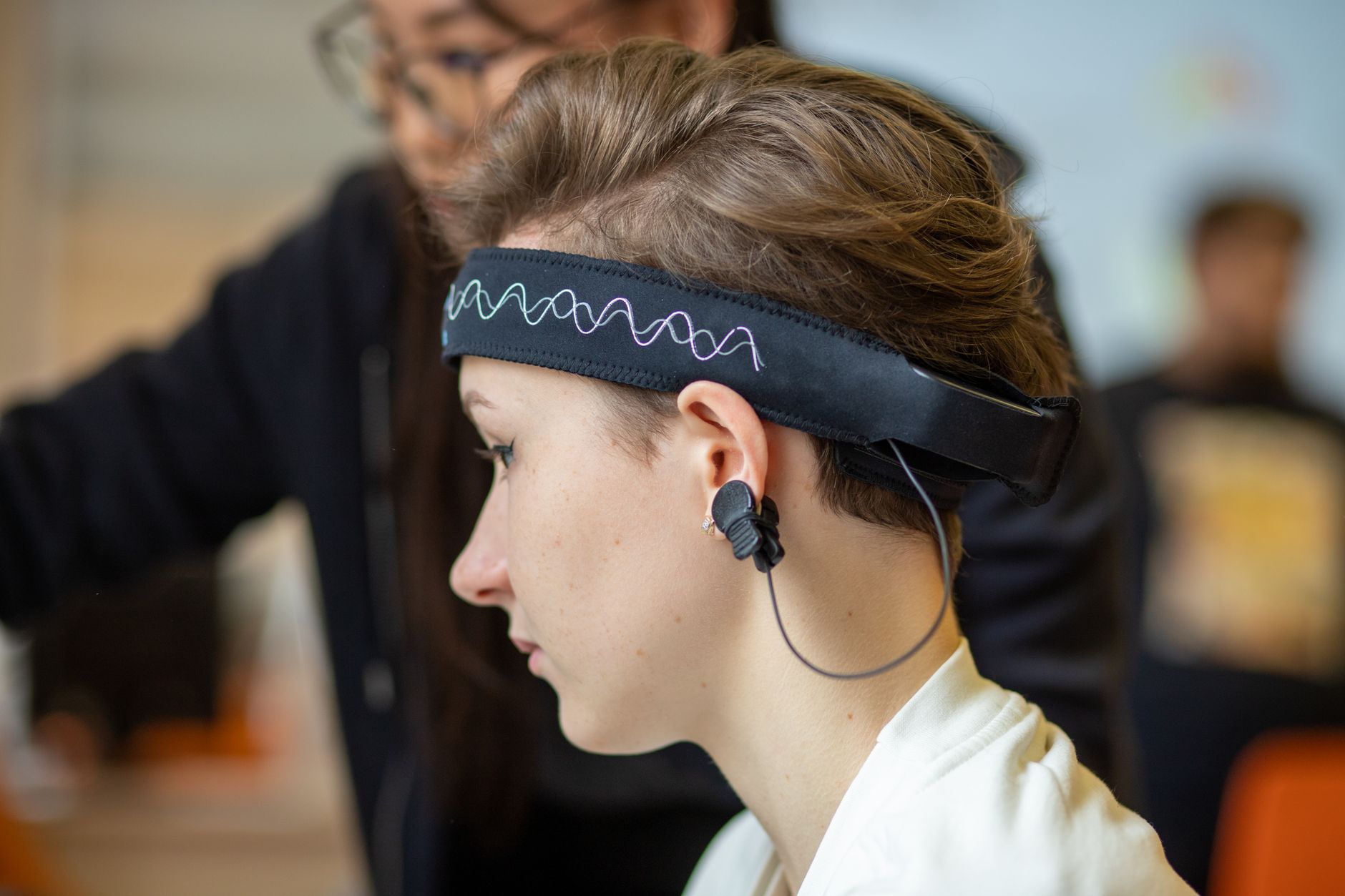
Deepinder Goyal, the founder of food‑delivery platform Zomato, has entered the consumer‑health market with a new device called Temple. Priced at Rs 85,000, the wearable is marketed as a way to track changes in cerebral blood flow and to deliver proprietary health metrics such as a “BrainFlow” score. The launch has sparked a broader debate among neurologists and researchers about what a sensor placed on the head can actually reveal about brain function.
Wearable technology has moved beyond step counters and heart‑rate monitors in recent years. A growing number of products now promise insights into sleep quality, stress levels, focus, recovery and even cognitive performance. Companies are exploring ways to capture brain‑related signals outside the controlled environments of hospitals and laboratories. The Temple device is the latest high‑profile example, and its claims have drawn both consumer interest and scientific scrutiny.
Temple uses optical sensors located near the temple region to detect physiological signals. The technology is based on photoplethysmography (PPG), which shines light onto the skin and measures variations in blood volume beneath the sensor. According to the manufacturer, the resulting data are processed into a proprietary BrainFlow metric that is intended to reflect cerebral circulation. The company states that the wearable can provide users with real‑time information about stress, focus, recovery and other aspects of brain health.
How the Temple device works
Optical sensors like those in Temple differ fundamentally from the electroencephalography (EEG) systems traditionally used to study brain activity. An EEG records electrical impulses generated by groups of neurons through electrodes placed on the scalp. Clinicians rely on EEG readings to diagnose conditions such as epilepsy, sleep disorders and other neurological problems. By contrast, PPG‑based sensors do not capture electrical activity. Instead, they measure changes in blood volume, which can indicate physiological shifts such as heart‑rate variability or peripheral circulation.
Because Temple’s sensors are positioned on the skin surface, they capture signals that are influenced by many factors beyond the brain, including skin thickness, ambient light, and movement artifacts. While the device’s developers argue that the BrainFlow metric correlates with cerebral blood flow, establishing a reliable link between a surface‑level optical signal and deep brain circulation requires rigorous scientific validation that has not yet been published.
Scientific limits of single‑sensor readings
Dr Neha Pandita, Senior Consultant Neurologist and Unit Head for Parkinson’s Disease and Movement Disorders at Fortis Hospital in Noida, cautions that a single physiological reading cannot convey the full complexity of brain function. “The brain is an interconnected network of billions of neurons across multiple regions,” she explains. “Different areas work together during activities such as remembering, concentrating, making decisions and processing emotions. A reading from one sensor cannot provide a complete assessment of these functions.”
Dr Pandita adds that brain activity is constantly changing, and that a snapshot measurement does not diagnose neurological problems or give a comprehensive picture of cognitive health. She emphasizes that stress, sleep deprivation, medication, age and time of day can all influence physiological signals that wearables interpret as “stress” or “focus” scores. Consequently, a low focus score should be viewed as an indicator generated by an algorithm, not as a medical conclusion.
The distinction between detecting a biological signal and understanding its clinical significance is central to the current discussion. While wearable devices can continuously monitor certain parameters, they do not replace clinical investigations such as EEG, magnetic resonance imaging (MRI) or vascular studies, which are ordered based on a patient’s symptoms, medical history and comprehensive clinical findings.
What consumers should look for
As brain‑monitoring wearables become more common, experts recommend that users evaluate several key factors before trusting a health score:
- Measurement type: Determine whether the device records electrical activity, blood‑volume changes, or another physiological parameter.
- Independent validation: Look for peer‑reviewed studies that compare the device’s readings with established clinical techniques.
- Scientific backing: Early research may be promising, but findings need replication and scrutiny by the broader scientific community.
- Score interpretation: A proprietary number should be accompanied by a clear explanation of its biological basis and validated meaning.
- Regulatory status: Understand whether the product is marketed as a wellness tool or as a medical device; the former does not carry the same diagnostic responsibilities.
Dr Pandita stresses that interpreting neurological health requires a holistic view that incorporates symptoms, medical history and appropriate clinical tests. A wearable can complement this picture by highlighting patterns over time, but it should not be the sole basis for health decisions.
In summary, the Temple wearable illustrates both the promise and the current limitations of consumer brain‑monitoring technology. Optical sensors can capture physiological signals that may correlate with aspects of cerebral circulation, yet the scientific community has not yet confirmed that these surface measurements reliably represent deep brain activity. Until independent, peer‑reviewed research demonstrates accuracy, reproducibility and real‑world relevance, devices like Temple should be regarded as wellness accessories rather than diagnostic replacements for established tools such as EEG.
For consumers eager to explore new ways of tracking stress, focus or sleep, the takeaway is clear: a number on a screen is only a piece of a much larger puzzle. Understanding what that number means—and its limits—still requires professional medical interpretation.






Be First to Comment