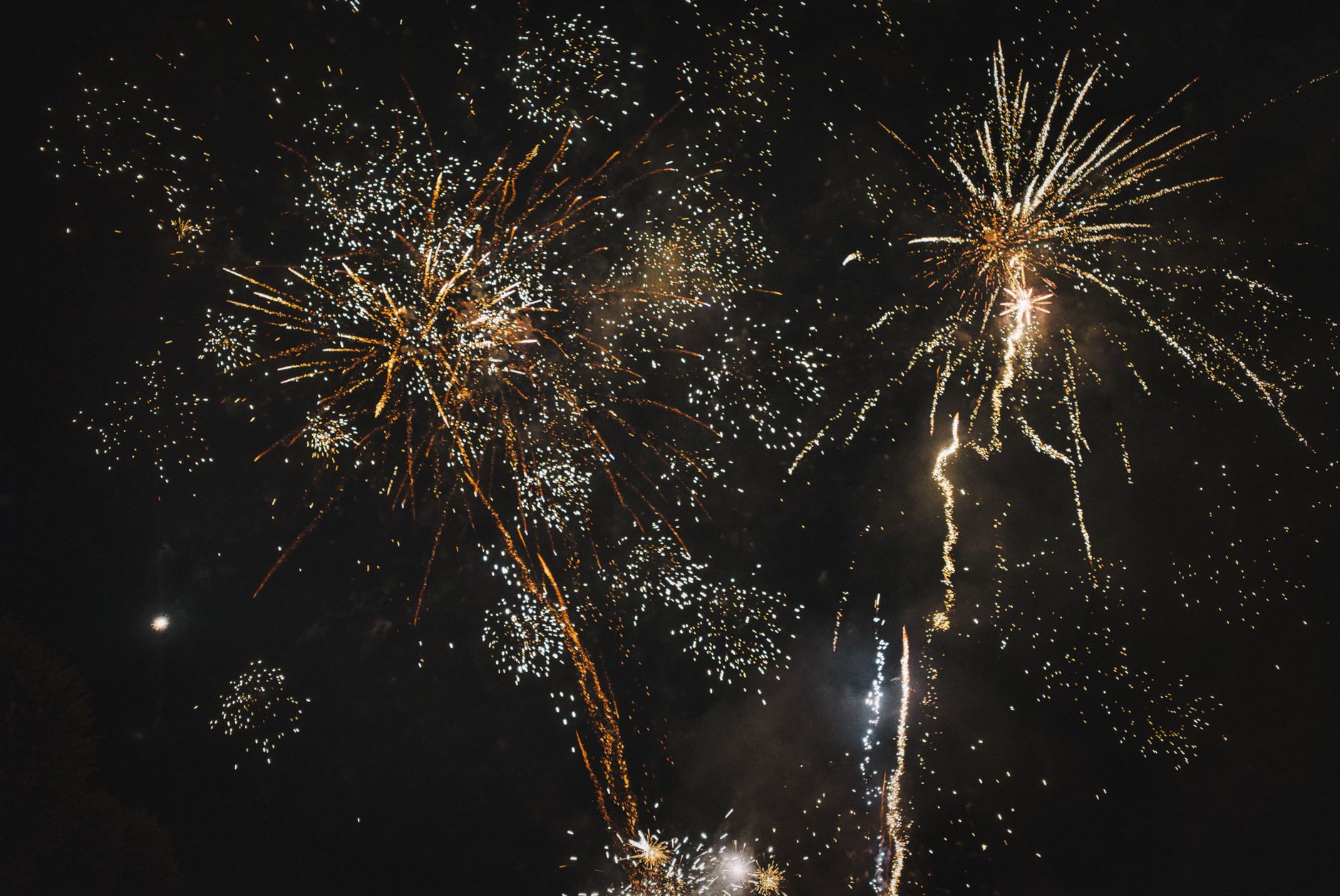
As India observes Diwali on November 1, a wave of congratulatory messages has arrived from heads of state, senior officials and diplomats across the world. The festival, which celebrates the victory of light over darkness, has been used by leaders to underline themes of peace, prosperity and inter‑religious harmony.
High‑Profile Political Figures Join the Celebration
United Arab Emirates Vice President Sheikh Mohammed bin Rashid Al Maktoum sent a personal greeting, wishing that the “festival of lights bring you peace, hope, and goodness, and may your days be filled with safety, happiness, and prosperity.” His message echoed the broader sentiment expressed by many officials that Diwali represents a universal aspiration for well‑being.
In the United States, former Director of National Intelligence and Hindu‑American politician Tulsi Gabbard shared a statement that highlighted the spiritual dimension of the day. She wrote, “Wishing all who are celebrating a joyful Diwali! May we be reminded on this special day, and all days, that God’s love has the power to dispel all darkness and fill our lives with light, peace and joy.” Gabbard’s remarks reinforced the idea that the festival’s symbolism extends beyond any single culture.
President Donald Trump also marked the occasion at the White House, taking part in a diya‑lighting ceremony on Friday. He was joined by India’s ambassador to the United States, Vinay Mohan Kwatra, FBI Director Kash Patel, celebrity chef Vikas Khanna, entrepreneur Vishal Gondal, IBM chief executive Arvind Krishna and National Institutes of Health director Jay Bhattacharya. The gathering of officials from both governments underscored the diplomatic significance attached to the celebration.
Regional Leaders Emphasize Unity and Moral Values
Sri Lanka’s President Anura Kumara Dissanayake described Diwali as one of the most sacred festivals for the Hindu community, noting its symbolism of “the triumph of light over darkness and knowledge over ignorance.” He referenced the mythic victory of Lord Krishna over the demon Narakasura, adding that the observance offers an opportunity to renew a collective resolve for a “better, just and compassionate society.” Dissanayake called for “kindness over hatred, coexistence over division, and justice over injustice,” framing the festival as a catalyst for social cohesion.
Pakistan’s Prime Minister Shehbaz Sharif extended a message to the Hindu community both within Pakistan and abroad. He called the community a “valued and integral” part of the nation’s fabric and highlighted Diwali’s representation of “the triumph of light over the darkness of hatred, intolerance and despair.” Sharif emphasized that the festival conveys “a profound message of promoting peaceful coexistence in human relations and social life.” He further noted that Pakistan’s diverse cultural and religious traditions constitute “a valuable social asset” and expressed pride in the country’s religious and cultural diversity.
Diplomatic Missions Join in Cultural Activities
Iran’s ambassador to India, Dr Mohammad Fathali, used the occasion to reflect on shared heritage, stating that the “message of light over darkness is deeply rooted in the ancient traditions of both India and Iran.” He also referenced Iran’s resilience in its ongoing conflict with the United States, while affirming a long history of friendship and deep civilizational ties between the two nations.
Other diplomatic missions marked the day with cultural events. The South Korean Embassy in India organized a diya‑decoration workshop, allowing participants to engage directly with the festival’s artistic traditions. European Union Ambassador to India Jean‑Eric Paquet celebrated his first Diwali in the country, calling it “a truly beautiful experience to cherish.” Germany’s ambassador to India and Bhutan, Jasper Wieck, expressed happiness at the celebrations, noting that the festivities “bring the entire embassy team together.”
Collectively, these statements and activities illustrate how Diwali serves as a diplomatic bridge, offering a platform for nations to convey shared values of harmony, goodwill and mutual respect.
Broader Implications for International Relations
The convergence of political leaders and diplomatic staff around Diwali highlights the festival’s growing role in soft power and cultural diplomacy. By aligning the celebration with messages of peace and coexistence, governments signal a commitment to interfaith dialogue and to countering narratives of division.
In a world where geopolitical tensions often dominate headlines, the emphasis on “kindness over hatred” and “coexistence over division” — as articulated by leaders from Sri Lanka, Pakistan and the United Arab Emirates — underscores a strategic use of cultural observances to promote stability. The involvement of high‑profile figures such as President Trump and senior officials from the United States further demonstrates the bilateral importance placed on India‑U.S. relations, especially in the context of shared democratic values and economic partnerships.
Iran’s reference to “resilience” in its war against the United States, juxtaposed with a message of friendship toward India, reflects a nuanced diplomatic balancing act. Meanwhile, the cultural workshops hosted by South Korea and the celebratory remarks from EU and German ambassadors illustrate how embassies are leveraging Diwali to deepen people‑to‑people connections and showcase cultural sensitivity.
As Diwali continues to be celebrated by diaspora communities worldwide, the festival’s diplomatic resonance is likely to expand, offering a recurring opportunity for nations to reaffirm commitments to peace, prosperity and mutual respect.






Be First to Comment