The U.S. Food and Drug Administration announced that it will require manufacturers of several high‑profile anti‑obesity medicines to add a safety notice about a rare eye disorder that can cause permanent vision loss. The drugs named in the agency’s communication include Ozempic, Wegovy, Zepbound and Mounjaro, all members of the glucagon‑like peptide‑1 (GLP‑1) receptor agonist class that has been hailed as a breakthrough for treating obesity and type‑2 diabetes.
FDA requires label warnings
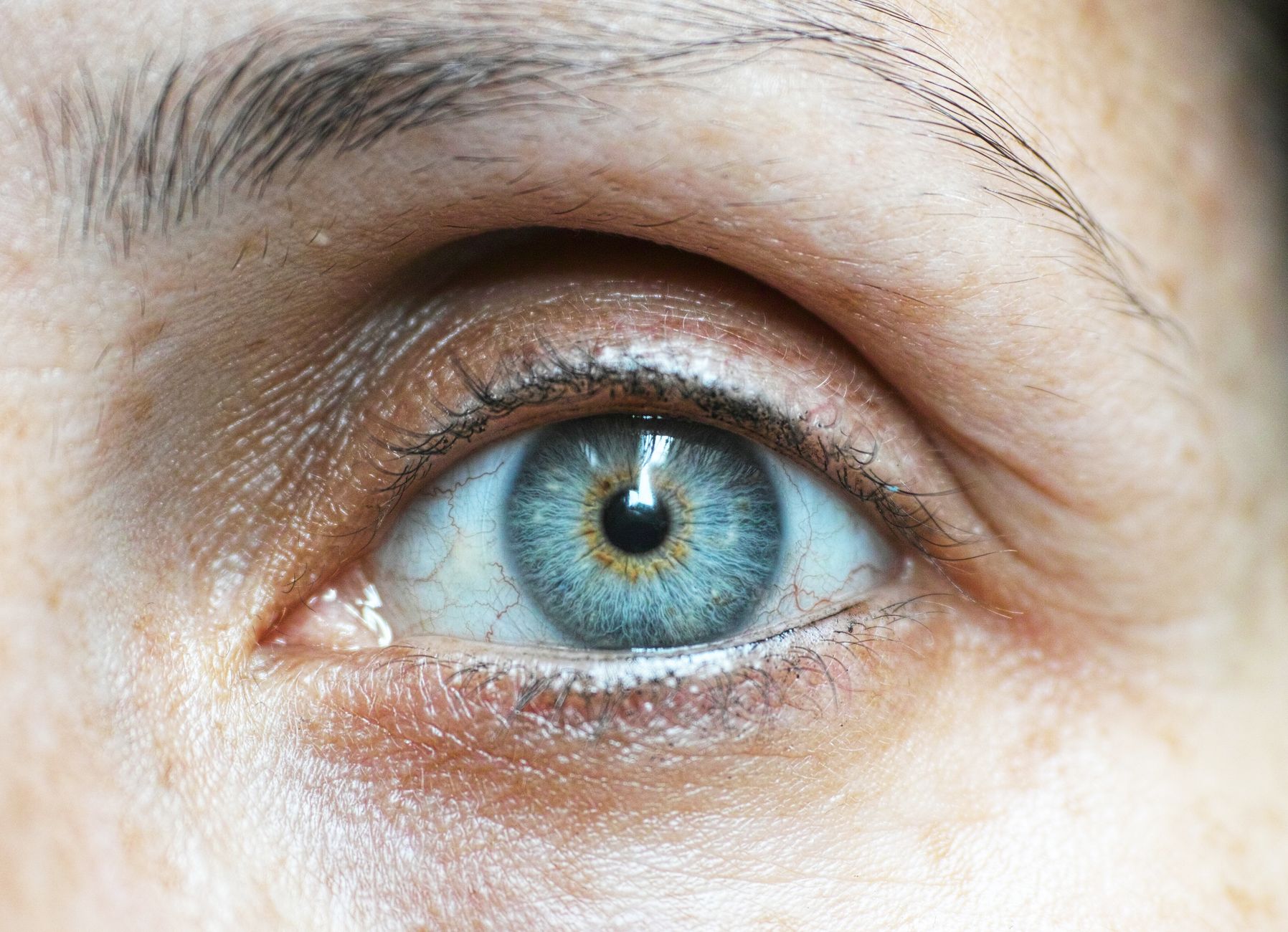
In a formal drug‑safety communication, the FDA explained that patients and health‑care providers should be made aware of a “potential increased risk” of non‑arteritic anterior ischemic optic neuropathy (NAION) associated with GLP‑1 receptor agonist use. NAION is described as a rare condition that can cause sudden, painless loss of vision in one eye and, in some cases, result in permanent visual impairment. The agency’s directive will compel drug makers to place a specific warning about this risk on product labeling.
Understanding NAION and its prevalence
According to the American Academy of Ophthalmology, NAION occurs in roughly two to ten individuals per 100,000 members of the general population. The rarity of the disease makes it difficult for researchers to establish a clear causal link with any medication. Complicating the assessment further, many of the risk factors for NAION—such as diabetes, cardiovascular disease, hypertension, high cholesterol, metabolic syndrome and obstructive sleep apnea—are also common among patients who are prescribed GLP‑1 agonists.
The FDA noted that the biological mechanism by which GLP‑1 drugs could trigger NAION remains unknown. Reviews of animal studies did not uncover any plausible pathway linking the medication class to the eye condition.
Evidence from clinical trials and studies
In July 2024, a study titled “Risk of Nonarteritic Anterior Ischemic Optic Neuropathy in Patients Prescribed Semaglutide” was published by Hathaway and colleagues. While the FDA identified several limitations in that research, it concluded that the findings warranted a deeper investigation.
To that end, the agency performed a comprehensive review that combined data from clinical trials, animal experiments, post‑marketing surveillance, observational studies and case reports. A key component of the analysis was a meta‑review of 126 clinical trials involving GLP‑1 receptor agonists. Those trials collectively enrolled 134,253 participants, of which 78,217 received a GLP‑1 drug and 56,036 were given a comparator—either a placebo or a non‑GLP‑1 glucose‑lowering medication. The total exposure time across all participants amounted to 288,879 person‑years (PY), with GLP‑1 users accounting for 156,947 PY and comparator groups for 131,932 PY.
Within this pooled data set, the FDA identified fifteen probable cases of NAION. Ten of those cases occurred among patients taking GLP‑1 agonists, five were observed in placebo recipients, and none were reported in the group that received other glucose‑lowering drugs. When expressed as incidence rates, the NAION occurrence was 6.4 events per 100,000 PY for the GLP‑1 cohort, compared with 3.8 events per 100,000 PY for the comparator cohort.
Although the absolute numbers are small, the difference in rates prompted the agency to act, especially given the overlapping risk factors shared by the patient population.
In addition to the trial data, the FDA examined reports submitted to its Adverse Event Monitoring System (formerly the FAERS). Those reports were difficult to interpret because many patients who experienced NAION also possessed the aforementioned cardiovascular and metabolic risk factors, making it challenging to isolate the drug’s contribution.
Following the review, the FDA concluded that a label change was the most appropriate measure to ensure that clinicians and patients are fully informed of the potential, albeit rare, eye‑related side effect.
Public figures have recently drawn attention to GLP‑1 drugs. In December 2024, Elon Musk posted a holiday‑themed photograph on Twitter, describing himself as “Ozempic Santa” while acknowledging that the medication he was actually using was Mounjaro. In a separate comment, Musk suggested that making GLP‑1 inhibitors widely affordable would dramatically improve health outcomes for Americans.
The agency’s warning arrives as demand for GLP‑1 therapies continues to surge, driven by their effectiveness in promoting weight loss and improving glycemic control. Manufacturers have marketed these agents as transformative options for individuals struggling with obesity and diabetes, and sales have reflected that optimism.
By mandating explicit labeling, the FDA aims to balance the drugs’ therapeutic benefits with an honest presentation of the known risks. Health‑care providers are encouraged to discuss the NAION warning with patients, particularly those who already exhibit the condition’s established risk factors. Patients experiencing sudden, painless vision changes are advised to seek immediate ophthalmologic evaluation.
While the incidence of NAION remains low, the agency’s proactive stance underscores its commitment to patient safety amid the rapid expansion of GLP‑1 drug use across the United States.






Be First to Comment