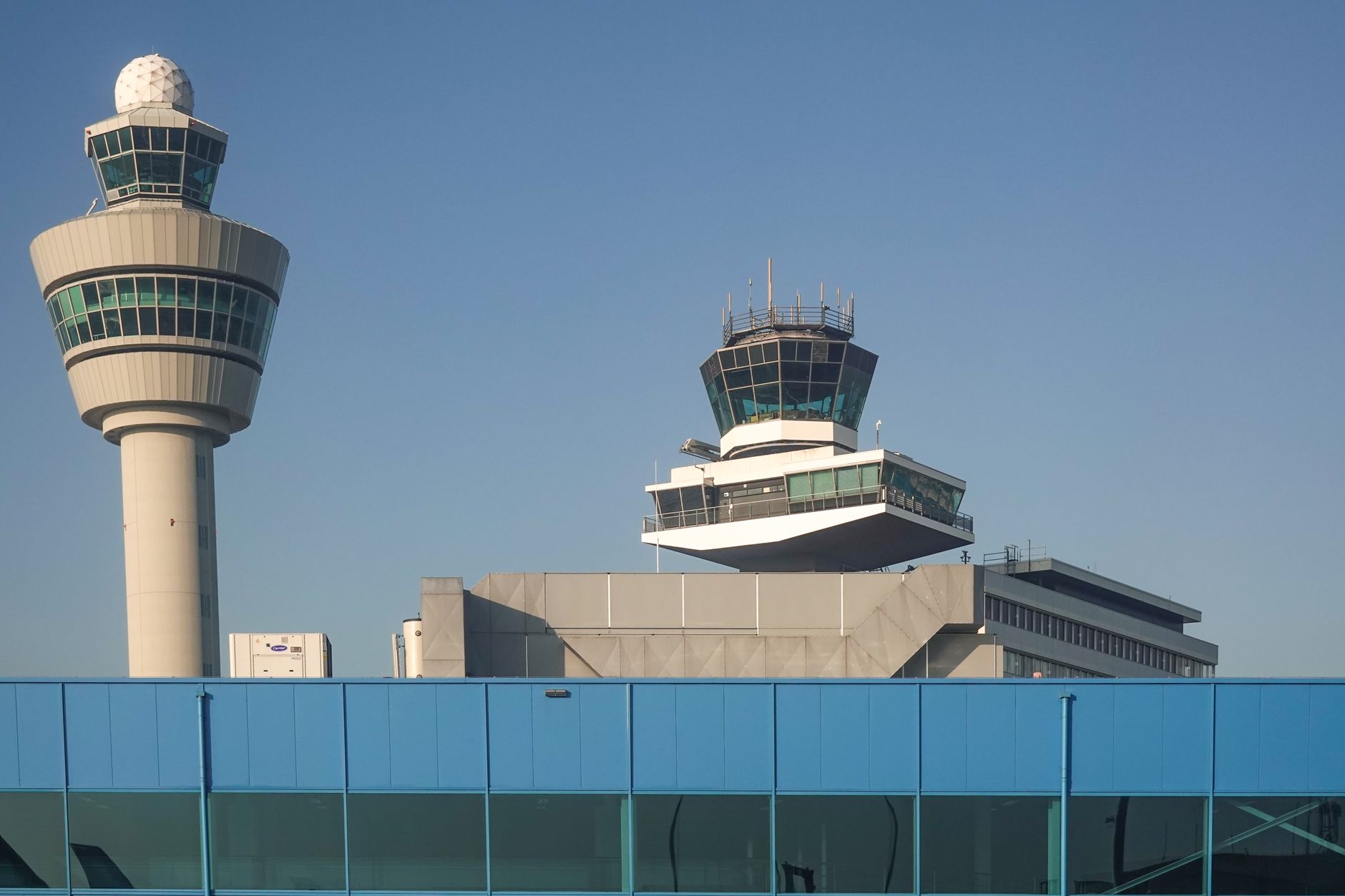
The U.S. Federal Aviation Administration announced on Friday evening that it had lifted a nationwide ground stop that had grounded thousands of flights for more than four hours. The pause, imposed at 3:54 p.m. Eastern Time, was the longest such stoppage in a quarter‑century and the second all‑U.S. departure halt since the September 11, 2001 attacks.
Timeline and immediate impact
Transportation Secretary Sean Duffy said the airspace reopened at 8:15 p.m. ET, roughly five hours after the stop began. While aircraft already airborne were permitted to land, all new departures were ordered to remain on the ground until clearance could be restored. Duffy cautioned that flights would not take off immediately, noting that the pace of resumption would be “slow” and dependent on crew availability.
According to aviation analytics firm Cirium, around 11,000 flights carrying more than 1.5 million passengers were still slated to depart after 4 p.m. ET. By 7:05 p.m. ET, at least 827 flights had been diverted, with 670 returning to their origin airports and 157 rerouted elsewhere. FlightRadar24 reported that more than 4,700 flights were cancelled and 10,000 delayed on Friday, with an additional 700 cancellations already slated for Saturday.
Passengers experienced long waits and uncertainty. One traveler, Nicholas Erdodi, who was en route from New Zealand to Chicago, told Al Jazeera after a 16‑hour journey that he spent six more hours at Los Angeles International Airport without clear information. He expressed frustration over the lack of guidance and the difficulty of securing overnight accommodations.
Root causes and infrastructure concerns
The FAA attributed the stoppage to a telecommunications outage that affected air‑route traffic control centers, which manage aircraft crossing the country. Secretary Duffy explained that the outage stemmed from switches and routers becoming overloaded with data, causing intermittent communications and radar gaps. He emphasized that the problem did not amount to a total loss of communications or radar capability, and Homeland Security Secretary Markwayne Mullin ruled out a cyberattack, stating that the situation was “not another 9/11.”
Industry experts linked the outage to aging infrastructure. Tony Stanton, a former senior executive with Australia’s Civil Aviation Safety Authority, referenced a Government Accountability Office (GAO) report released in September that warned about obsolete copper cables dating back to the 1960s and the risk of system overloads. The report warned that delayed modernization could produce exactly the type of disruption seen on Friday.
Todd Curtis, chief executive of AirSafe.com, identified the air‑route traffic control centers—21 facilities across the lower 48 states and one in Alaska—as the focal point of the failure. These centers rely on multiple handoffs between controllers, and the introduction of new technology apparently overloaded the older copper‑based switching equipment.
Professor Ron Bartsch of the University of the South Pacific highlighted a broader issue: the aviation system’s reliance on redundancy. He questioned why backup systems did not activate automatically, noting that “the whole aviation community is based on redundancy,” and the lack of an immediate fallback raised additional concerns.
Recovery and future implications
By the time the ground stop was lifted, about 3,000 flights had safely landed, according to Secretary Mullin. Nevertheless, Duffy warned that restoring full capacity would take time, especially as the Thanksgiving travel period approaches in less than two weeks—a traditionally busy season for U.S. airlines.
Airlines face a complex rescheduling challenge. Curtis explained that many carriers operate interconnected hub‑and‑spoke networks, meaning a single disruption can ripple through multiple itineraries. He cautioned that even after the technical fault is fixed, it could take more than a day for airlines to re‑align aircraft, crew, and passenger connections.
In response to the incident, Duffy called for $50 billion in upgrades to the nation’s air‑traffic control system, citing the need to replace antiquated switches, routers, and copper lines that date back to the 1980s. Stanton echoed this sentiment, questioning why officials had not anticipated the outage despite the GAO report’s warnings, and urging the FAA to develop stronger contingency plans to mitigate future risks.Passengers were advised to monitor their flight status directly with airlines, as cancellations and delays were expected to continue for several days. The incident underscores the vulnerability of a system that still depends on decades‑old hardware, and it has reignited debate over the pace and funding of modernization efforts.





Be First to Comment