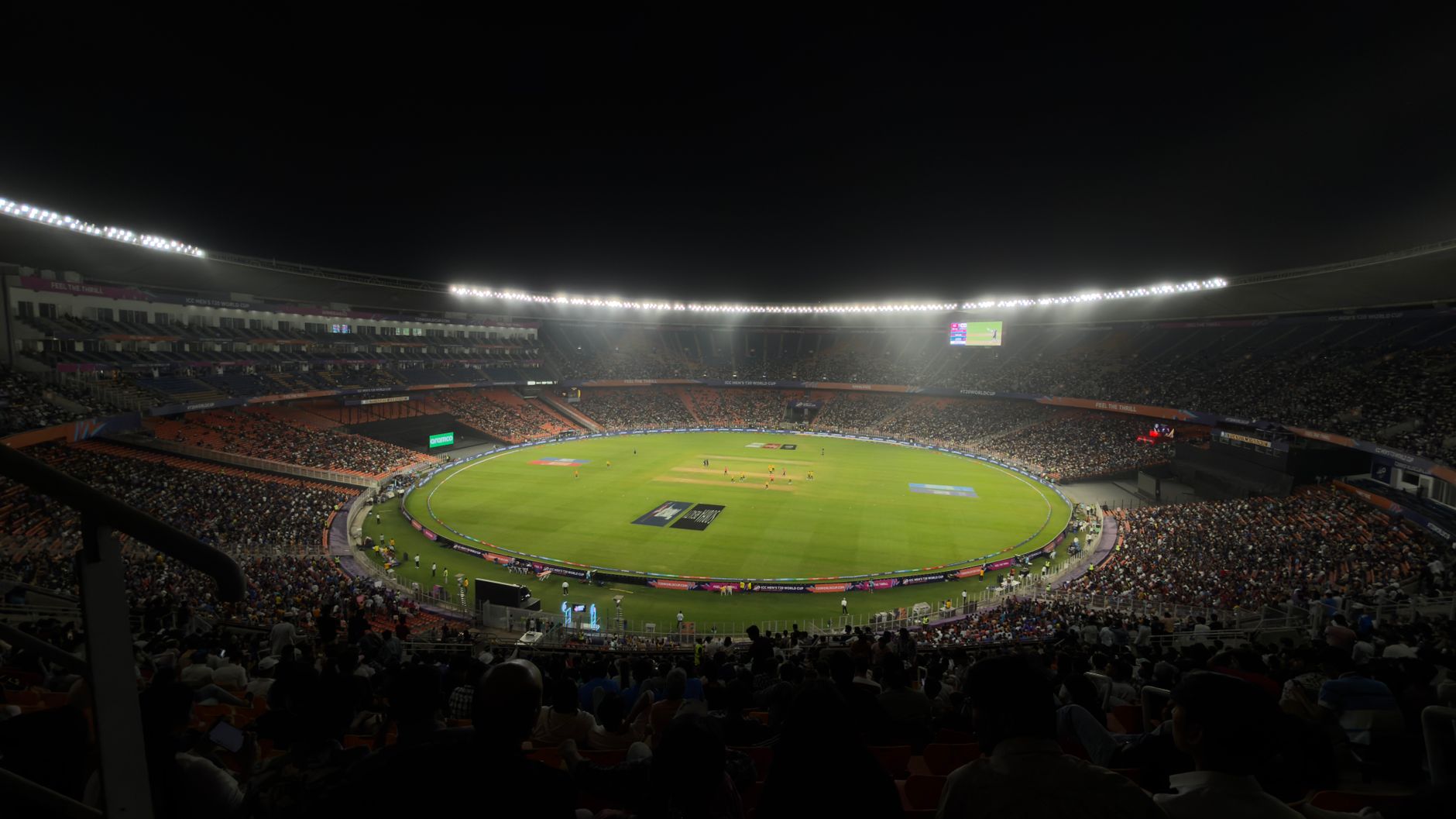
India entered the final one‑day international of the five‑match series with a 2‑1 lead over New Zealand, but the advantage has been far from comfortable. The Indian side has struggled to post competitive totals, a fact that head coach Gautam Gambhir highlighted after the team’s recent dismissal for just over 90 runs. Gambhir warned that such low scores are a warning sign, especially as conditions similar to those expected at the upcoming World Cup are beginning to emerge.
Key personnel changes ahead of the decider
The line‑ups for the fifth ODI, scheduled for Sunday, 15 November at Bay Oval in Mount Maunganui, have been reshaped by the unavailability of several bowlers. New Zealand will be without fast‑bowler Matt Henry, who claimed six wickets in the fourth match, and paceman Kyle Jamieson, both released to focus on Test duties. Their absence opens the door for Jacob Duffy and Blair Tickner, who are expected to fill the void in the New Zealand attack.
India, meanwhile, will miss Gurnoor Brar, who has been promoted to the Test squad and will join the preparation camp in Wellington. The Indian management is likely to call up Mohammed Siraj as Brar’s replacement. In addition, there is speculation that Yash Thakur could be selected in place of Kuldeep Yadav, who was off‑colour in the previous game.
Probable line‑ups and tactical considerations
New Zealand’s probable eleven includes wicket‑keeper Tim Seifert, opener Will Young, middle‑order batsmen Nick Kelly, Dean Foxcroft, Finn Allen and Michael Bracewell, as well as captain Mitchell Santner. The pace department is expected to feature Kristian Clarke, Blair Tickner, Jacob Duffy and Matthew Fisher.
India’s likely side features opening pair Rohit Sharma and Ruturaj Gaikwad, followed by veteran Virat Kohli, captain Shreyas Iyer and wicket‑keeper Ishan Kishan. All‑round options include Axar Patel, Naman Dhir, Auqib Nabi and the spin duo Kuldeep Yadav or Yash Thakur, complemented by the pace trio of Mohammed Siraj and Arshdeep Singh.
Both teams have enjoyed the benefit of the toss in the series so far, and the coin will again play a pivotal role in determining the strategic approach. If India wins the toss, the decision—whether to bat first or field—will be closely watched, especially after captain Shreyas Iyer noted a stark contrast between the first and second innings of the previous match in terms of pitch behavior.
Match outlook and broader implications
The match is slated to begin at 3:00 PM local time (7:30 AM IST) under clear skies, according to the weather forecast. The conditions are expected to offer some assistance to the pacers, a factor that was evident in the fourth ODI when New Zealand’s bowlers extracted movement that troubled the Indian batting line‑up.
Gautam Gambhir, addressing the media after the fourth game, emphasized the difficulty of scoring heavily in the early overs at this venue. He remarked that a score of 35‑40 runs without loss in the first ten overs would be a satisfactory start, given that the first ten to fifteen overs are traditionally the easiest period for Indian batsmen, but the current pitch appears to present the opposite challenge.
For India, the priority is to halt the recent batting decline and post a defendable total that can withstand New Zealand’s revitalised bowling attack. The team’s recent innings have been marked by premature dismissals, and the coach’s comments underscore the urgency of finding stability before the World Cup. A solid performance would not only secure the series but also provide a confidence boost ahead of the global tournament.
New Zealand, on the other hand, will look to capitalize on the momentum generated by their emphatic fourth‑match victory. The return of Will Young to form adds a further weapon to their batting arsenal, while the inclusion of fresh pace options such as Duffy and Tickner will test India’s top order. A win in Mount Maunganui would level the series at 2‑2, setting up a decisive sixth match, should the series format allow.
Both sides also view the encounter as a rehearsal for the World Cup, where similar conditions are expected. The ability to adapt to the pitch, manage the new bowling combinations, and make the right tactical choices will be closely evaluated by the coaching staff of each nation.
In summary, the fifth ODI at Bay Oval promises a high‑stakes contest: India must address a glaring batting frailty, while New Zealand seeks to leverage recent bowling successes and a refreshed line‑up. The outcome will likely influence selections and strategies as both teams fine‑tune their preparations for the upcoming World Cup.






Be First to Comment