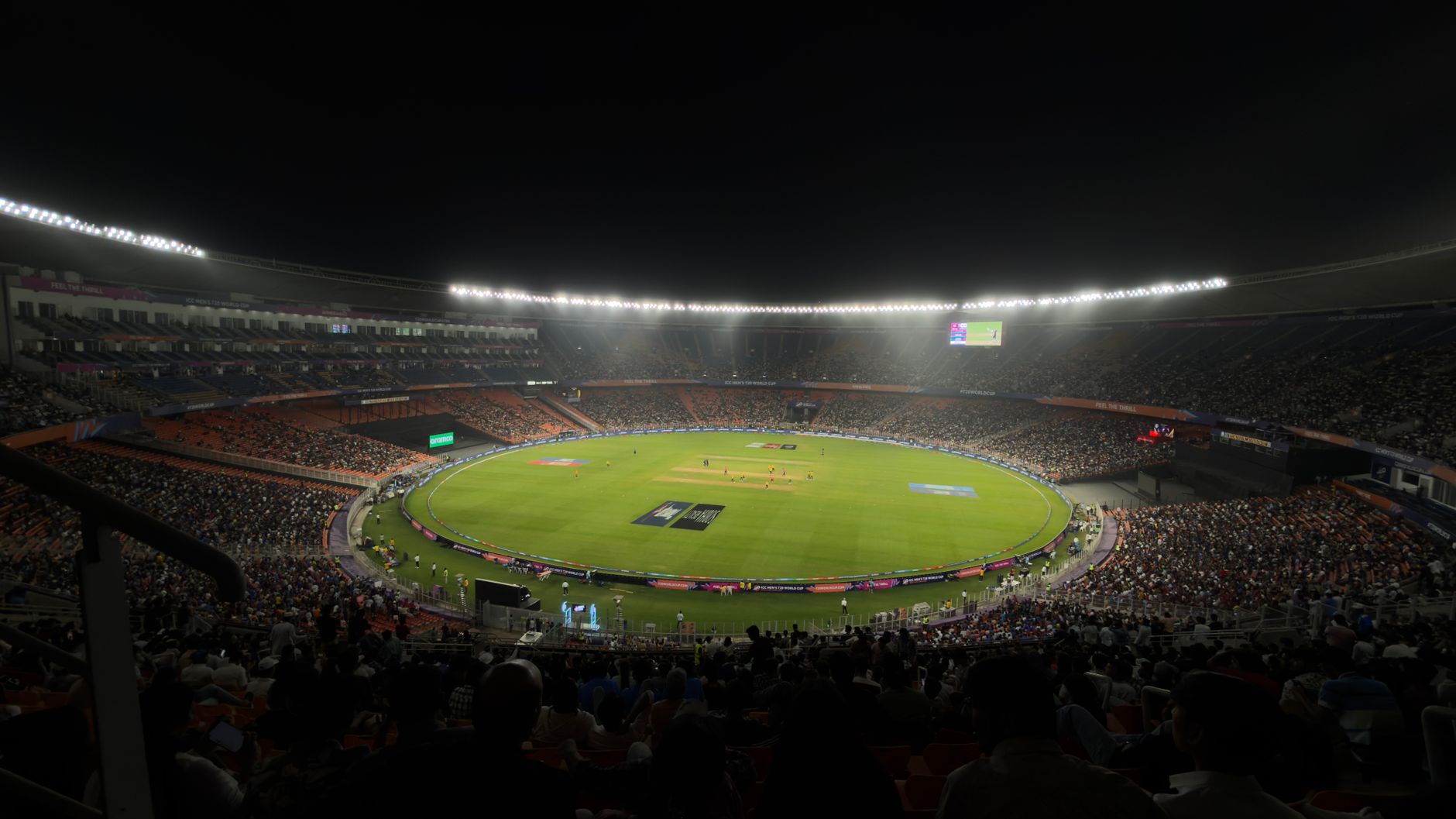
India secured a dramatic one‑wicket victory over Pakistan in the Under‑19 Asia Cup final held at the Oman Academy Cricket Ground in Al Amerat, Muscat, on Saturday. The win marked India’s ninth title in the tournament and its first since 2021, but the celebratory atmosphere was quickly eclipsed by displays of aggression from the Indian camp.
Match drama
After winning the toss, Pakistan elected to bat and posted 337 for 9 in their 50 overs. Opener Usman Khan anchored the innings with a century, scoring 107 off 111 balls, while Abdul Qadir contributed 80 and captain Farhan Yousaf added 63. The target of 338 proved steep, yet India began their chase on a solid foundation.
India’s opening partnership was built by captain Lakshya Raichandani, who made 80 off 101 deliveries, and Aaryavir Sehwag, the son of former Indian star Virender Sehwag, who compiled 58 runs from 61 balls, striking nine fours. Sehwag’s consistency earned him the tournament’s player of the series award and the highest aggregate of 361 runs in five innings.
As the innings progressed, India found themselves in a precarious position at 252 for 8 in the 42nd over. A crucial ninth‑wicket stand between Manal Chauhan and Mohit Ulva turned the tide. Chauhan accelerated the scoring rate with a rapid 47 off 32 balls, while Ulva added an unbeaten 49 off 26 deliveries. Their 57‑run partnership brought India back into contention and set the stage for a final‑over finish.
Needing three runs off the last ball, Ulva struck a boundary that sealed a one‑wicket win. The victory was celebrated as a testament to India’s resilience and never‑say‑die attitude, especially given the flat wicket conditions that both sides had cited during the match.
Key performances
Manal Chauhan’s aggressive 47 from just 32 balls revived the chase after the team appeared to be slipping. His ability to rotate the strike and find boundaries under pressure was highlighted by his own comments after the match, noting that he believed he could deliver when the team needed it most.
Mohit Ulva, batting at number ten, described the win as his day, emphasizing the support he received from Chauhan. Ulva’s unbeaten 49, capped by the winning boundary, underscored the depth of India’s lower order and the confidence the side placed in its tail‑enders.
Pakistan’s batting effort, led by Usman Khan’s century, kept the contest close. Khan’s 107 off 111 balls was the highest individual score of the final, and his partnership with Abdul Qadir set a formidable platform that forced India to chase a record‑breaking total.
Wicket‑keeper Anvay Dravid, son of former India captain and coach Rahul Dravid, contributed 19 runs. While his numbers were modest, his presence highlighted the generational continuity within the sport.
Aftermath and reactions
Celebrations turned contentious when several Indian players were observed directing aggressive gestures toward Pakistani opponents. One player was seen shouting and gesticulating at Pakistan wicket‑keeper Hamza Zahoor, who did not respond. Additional footage showed Indian players kicking toward the Pakistani dressing room as team officials attempted to intervene.
The incident prompted condemnation from former Pakistan captain Mohammad Yousuf, who reminded players that they represent not only their nation but also the values imparted by their upbringing. In a post on X, Yousuf wrote that true sportsmanship should be evident regardless of victory or defeat.
Indian fans also voiced disappointment, with one supporter describing the behavior as “uncouth, crass and downright disgusting,” and arguing that a nation’s sporting culture is reflected in how its athletes treat opponents. While former Indian cricketers and political leaders praised the on‑field achievement, none publicly rebuked the unsporting conduct.
Both teams omitted the customary post‑match handshake, a practice that has become increasingly rare in India‑Pakistan encounters amid broader political tensions. The handshake omission follows a pattern that began last year when the Indian men’s side declined to shake hands with Pakistan during an Asia Cup clash and refused to accept the trophy from Asian Cricket Council President Mohsin Naqvi, who also serves as Pakistan’s interior minister.
The same reluctance to engage in traditional gestures has been observed in women’s cricket. In the ICC Women’s World Cup 2025 in Sri Lanka and the ICC Women’s T20 World Cup held earlier this year in England, the two nations again avoided handshakes. The Indian women’s team also declined to accept the Asia Cup trophy from Naqvi after their victory in Dubai.
Overall, the final highlighted the thin line between fierce rivalry and sportsmanship. While India’s ninth Under‑19 Asia Cup crown was secured through a remarkable comeback, the post‑match conduct has reignited discussions about conduct standards, diplomatic sensitivities, and the role of cricket in Indo‑Pak relations.






Be First to Comment