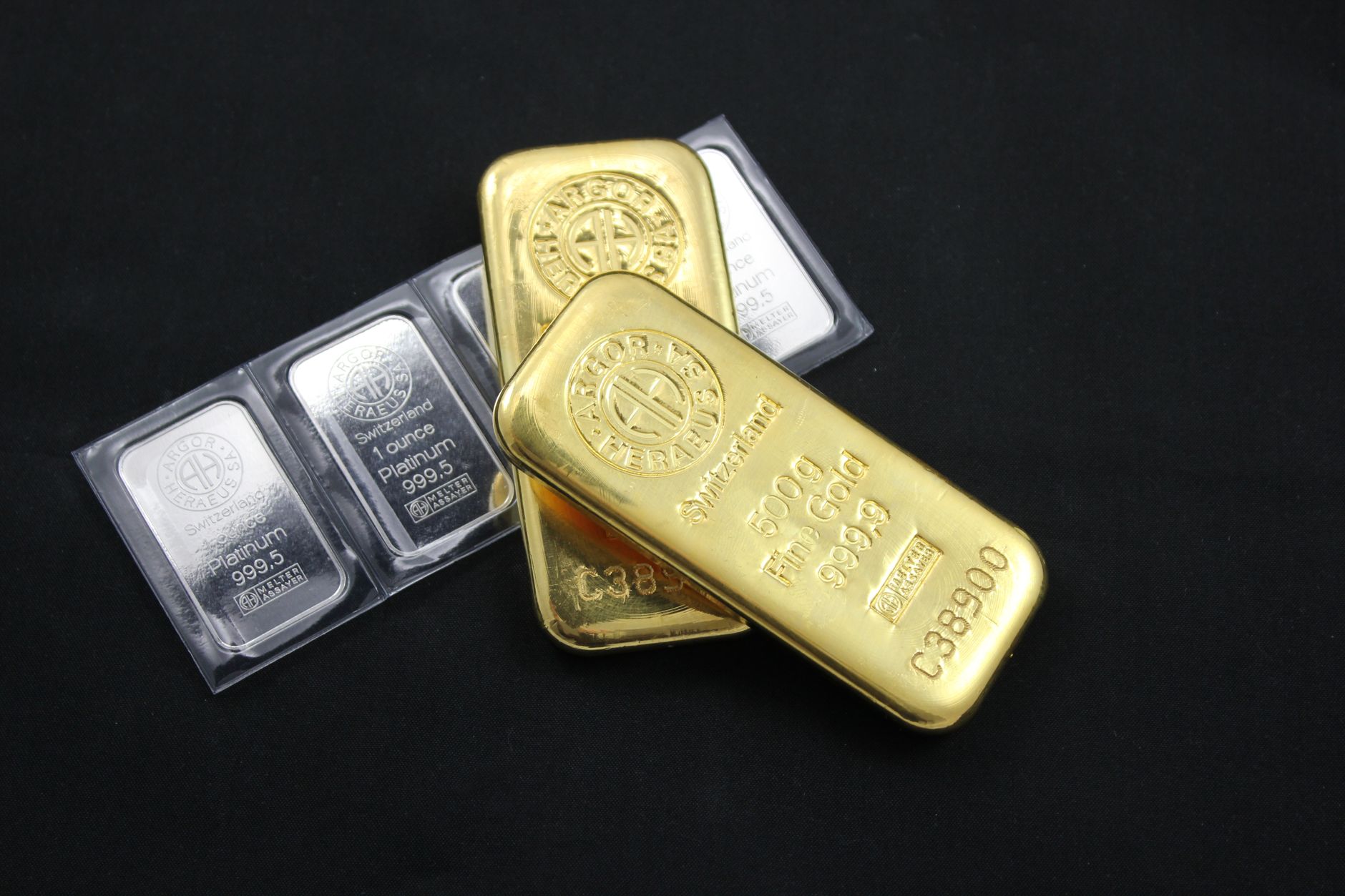
Gold prices retreated further on Tuesday, slipping beneath the $3850 mark as traders concentrated on a sharp pullback in U.S. equity markets and growing concerns surrounding the artificial‑intelligence (AI) sector. The Nasdaq Composite index registered a 2 % decline, reflecting heightened anxiety after a recent scandal involving Nvidia. The broader sentiment has spilled over into the precious‑metal arena, where gold, traditionally viewed as a safe‑haven, has failed to provide that protection for several months, prompting investors to sell positions to free up cash for equity losses.
Gold Under Pressure from AI‑Related Market Sentiment
The catalyst behind the latest gold weakness can be traced to a combination of equity‑market turbulence and regulatory developments targeting the AI supply chain. The U.S. Commerce Department issued an interim rule that obliges data centers operating in certain foreign jurisdictions to secure a U.S. government license before purchasing advanced semiconductor chips. Traders interpret the rule as a potential drag on chip sales and a broader slowdown for the AI industry, which in turn fuels risk aversion across asset classes.
Compounding the regulatory worry, the U.S. dollar strengthened against a broad basket of currencies as market participants remained focused on a hawkish outlook for Federal Reserve policy. A firmer dollar typically exerts downward pressure on gold, which is priced in dollars, and this dynamic added another layer of strain to the metal’s price action during the session.
Technically, gold broke through a short‑term support band that had been anchored between $3890 and $3910. The metal is now attempting to establish a new footing below $3850. Should the price sustain a settlement beneath that level, the next zone of support lies in the $3780 to $3800 range. Conversely, a rebound above $3850 could halt the decline, but the prevailing narrative suggests further downside momentum is more likely given the current confluence of equity weakness, regulatory uncertainty, and a strengthening greenback.
Silver and Platinum Follow Suit Amid Technical Weakness
Silver mirrored gold’s descent, suffering from the same risk‑off environment that has dampened demand for risk assets. The gold‑to‑silver ratio climbed past the psychologically significant threshold of 80 and moved toward 82, a level that historically exerts bearish pressure on silver. If the ratio settles above 82, the next target for the spread is 84, which would intensify the downward bias on silver prices.
On the price chart, silver is testing a support corridor between $47.00 and $47.50. A successful break below this band would open the path toward a deeper support zone ranging from $44.00 to $44.50. Although the Relative Strength Index (RSI) has entered oversold territory, analysts note that there remains sufficient latitude for a short‑term rebound if buying interest re‑emerges.
For silver to regain upward momentum, the metal must first close above the $48.00 level. Achieving that milestone would set the stage for a move toward the next resistance band situated between $51.00 and $51.50. Until such a reversal materializes, the prevailing technical picture points to continued pressure.
Platinum also experienced a decline, reflecting the broader sell‑off across precious metals. The commodity failed to draw support from a recent pullback in oil prices, as traders stayed focused on developments in U.S. equity markets. Palladium, a related precious metal, fell 2.6 %, a move that is generally viewed as bearish for platinum.
From a technical standpoint, platinum is attempting to break below a support range of $1440 to $1460. Should the price close beneath $1440, the next defensive zone lies between $1360 and $1380. The RSI for platinum sits in a moderate zone, indicating that there is room for further downside should new catalysts emerge. On the upside, a decisive move above $1460 would target the nearest resistance area between $1520 and $1540.
The simultaneous weakness across gold, silver and platinum underscores the extent to which AI‑related concerns and equity‑market volatility are influencing the broader precious‑metal market. With the Nasdaq index under pressure, regulatory scrutiny on AI chip sales intensifying, and a strong U.S. dollar adding to the mix, market participants appear to be prioritising liquidity and risk mitigation over traditional safe‑haven buying.
Investors seeking to navigate the current environment may look to technical support and resistance levels as reference points for entry or exit decisions. However, the prevailing narrative suggests that any recovery in precious‑metal prices will likely require a shift in sentiment away from AI‑related risk and a stabilization of equity markets. In the meantime, the metals remain vulnerable to further declines if the confluence of factors persists.
For readers interested in deeper insights on trading strategies for gold and silver, additional educational resources are available through the provider’s learning portal.






Be First to Comment