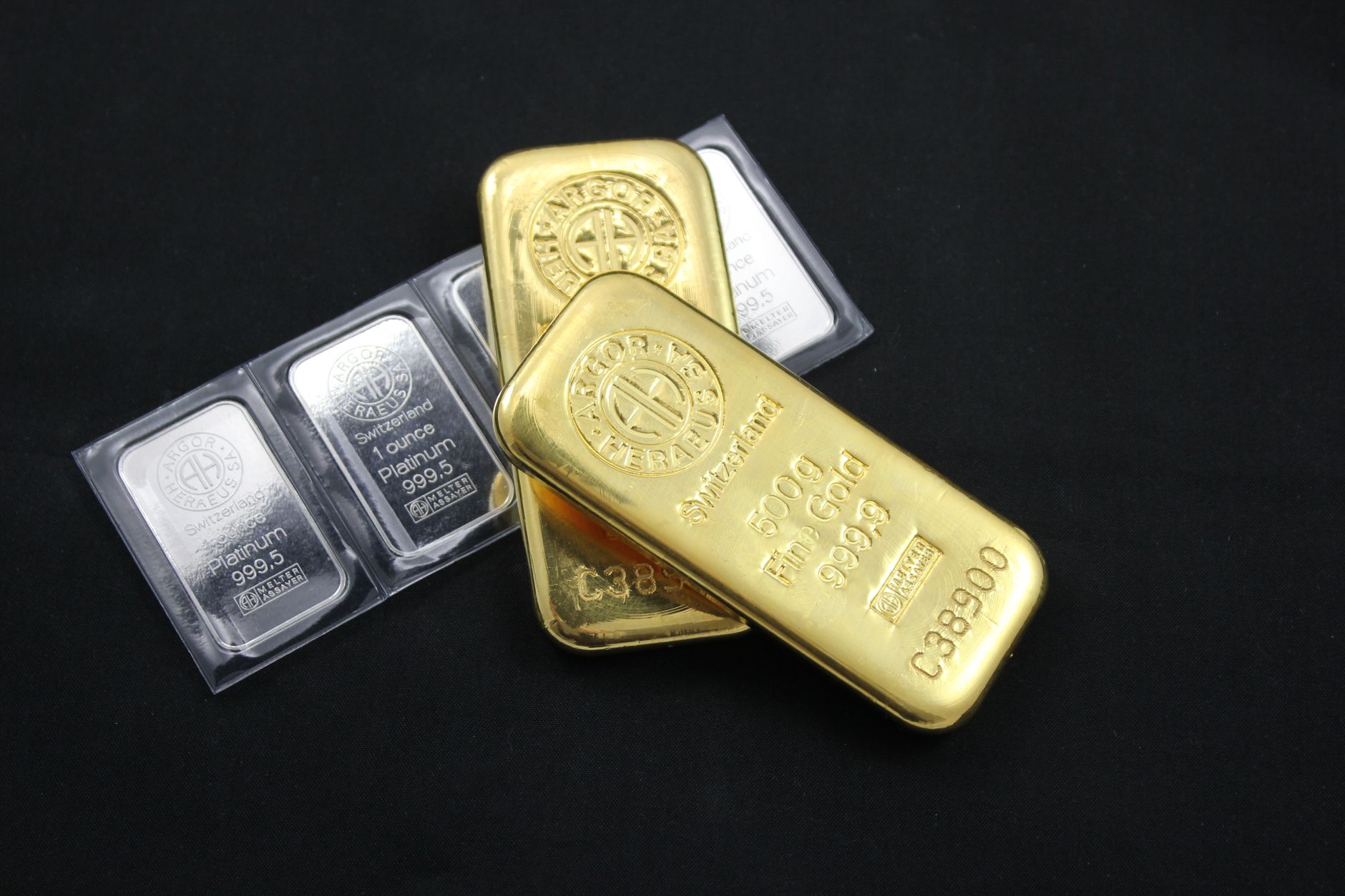
Indian bullion markets saw both gold and silver retreat on Wednesday, 18 November, with the 24‑karat (24K) gold price hovering near a 14‑month trough and silver extending its slide by almost three percent. At 9:06 a.m. local time, the 24K gold rate was quoted at ₹1,32,300 per 10 grams, a drop of ₹2,540 from the previous session, while 999‑purity silver was priced at ₹1,65,400 per kilogram, down ₹4,940.
Domestic price snapshot across major cities
City‑wise listings from Bullion .co.in showed a narrow band in gold prices. In New Delhi, 24K gold fetched ₹1,31,850 per 10 grams and 22K gold ₹1,20,863 per 10 grams. Mumbai’s rates were marginally higher at ₹1,32,080 for 24K and ₹1,21,073 for 22K. Bengaluru, Kolkata, Hyderabad and Chennai all posted 24K gold rates ranging between ₹1,31,910 and ₹1,32,460 per 10 grams, with corresponding 22K rates between ₹1,20,918 and ₹1,21,422.
Silver rates also displayed limited variation. In Delhi, 999‑fine silver was ₹1,64,900 per kilogram and 925‑grade silver ₹1,52,533. Mumbai’s 999 rate stood at ₹1,65,180 per kilogram, while the 925 grade was ₹1,52,792. Bengaluru, Kolkata, Hyderabad and Chennai reported 999‑fine prices from ₹1,64,960 to ₹1,165,660 per kilogram, and 925‑grade figures from ₹1,52,588 to ₹1,53,236 per kilogram.
International spot prices and futures market
Global benchmarks mirrored the domestic weakness. At 9:07 a.m., spot gold on TradingView was trading around $3,797 per ounce, down 1.35 percent, and spot silver was near $46 per ounce, a 2.67 percent decline. On the Multi Commodity Exchange (MCX), December gold futures slipped to ₹1,31,700 per 10 grams, a 1.88 percent fall, while December silver futures fell to ₹1,64,687 per kilogram, down 2.96 percent.
Analyst attributes the sell‑off to monetary policy and equity pressures
Manav Modi, commodities analyst at Motilal Oswal Financial Services, said the market’s bearish tilt reflects “hawkish Federal Reserve commentary that reinforced expectations of further monetary tightening.” He noted that higher Treasury yields and a stronger U.S. dollar increase the opportunity cost of holding non‑yielding assets such as gold and silver. Modi also pointed to a “technology‑led equity correction” that has prompted cross‑asset liquidation, forcing investors to sell bullion to cover losses elsewhere.
According to Modi, the combination of tighter monetary policy expectations, rising yields and a robust dollar created a “headwind” for bullion, keeping demand subdued despite the traditional safe‑haven appeal of gold and silver.
Geopolitical risk could temper the downside
While monetary factors dominate the narrative, Modi warned that “escalating geopolitical tensions in the Middle East could offer some support.” He referred to media reports that Iran’s Islamic Revolutionary Guard Corps launched missiles and drones at warships near Qeshm Island, following earlier explosions and smoke reports. Although damage and casualties remain unconfirmed, any verified escalation could revive safe‑haven buying and provide a counterbalance to the prevailing policy‑driven pressure.
Modi concluded that markets will continue to watch Fed statements, Treasury yield movements, dollar fluctuations and developments in the Middle East, with the latter potentially acting as a “counterweight to the prevailing monetary‑policy headwinds.”
Outlook for investors
Investors tracking Indian bullion should monitor both domestic price movements and global cues. The current dip places 24K gold close to a 14‑month low, suggesting limited upside unless a sharp shift in monetary policy or a spike in geopolitical risk materialises. Silver’s sharper decline, nearly 3 percent, signals heightened sensitivity to risk sentiment, given its lower price point and broader industrial usage.
Overall, the dual pressures of a hawkish U.S. monetary stance and a technology sector pull‑back dominate the near‑term trajectory for precious metals, while any substantive geopolitical flashpoint could inject renewed demand for safe‑haven assets.






Be First to Comment