India’s electricity consumption is climbing rapidly as more households connect to the grid, electric‑vehicle sales increase and industrial activity expands. Despite ambitious renewable‑energy targets, coal still supplied roughly 45% of the nation’s installed capacity in 2025, keeping it central to power generation.
Background and Scale of Mahanadi Coalfields Limited
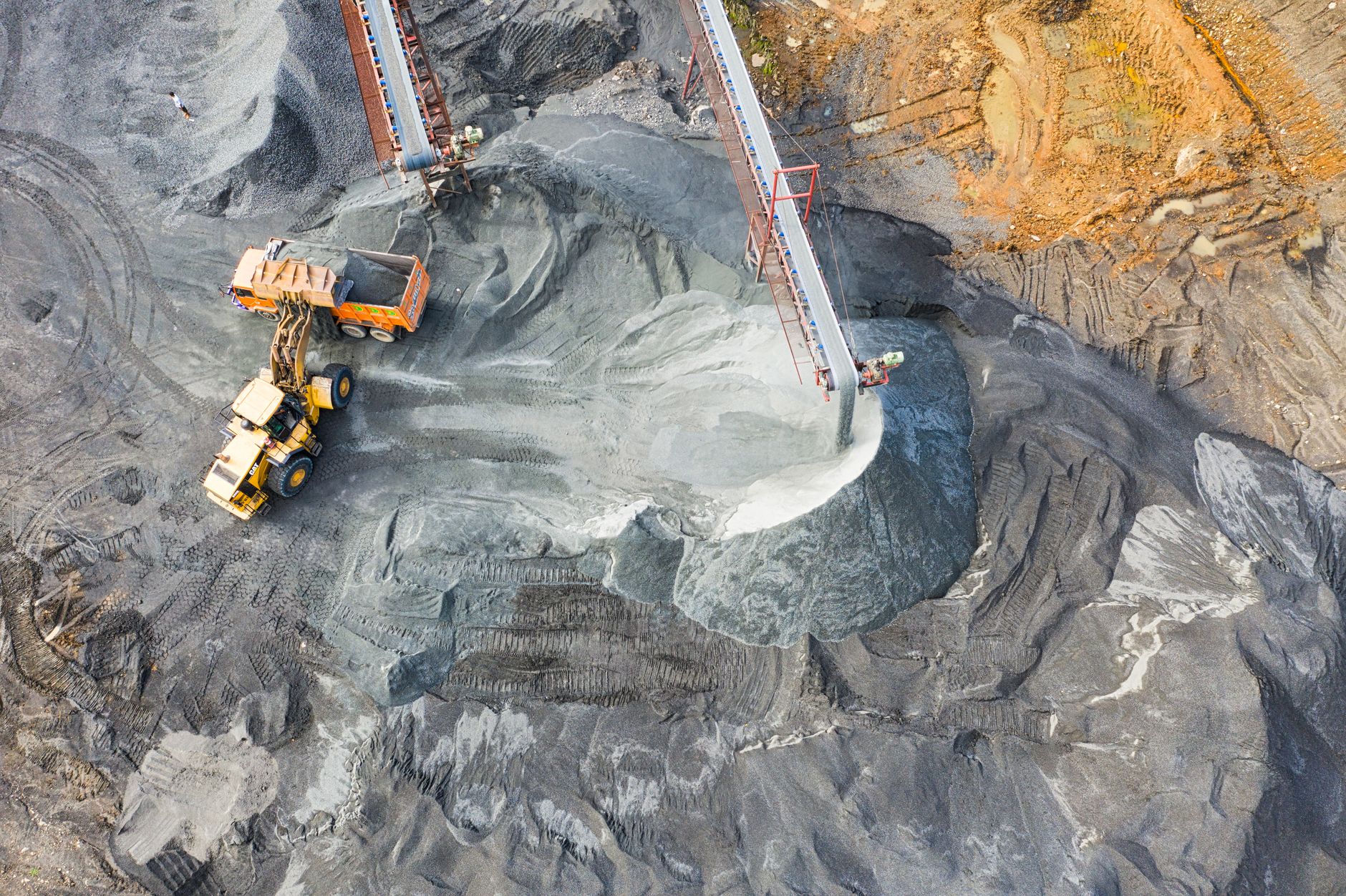
Mahanadi Coalfields Limited (MCL), a subsidiary of Coal India Ltd, operates primarily in the Talcher and Ib Valley coalfields of Odisha. In fiscal year 2026 (FY26) the company produced about 218 million tonnes of coal, representing roughly 21% of India’s domestic coal output and making it the country’s largest coal producer by volume. Its customer base includes thermal power plants as well as heavy‑industry users such as aluminium, cement and sponge‑iron producers.
Coal India is moving to unlock value from its subsidiaries through public listings. After taking Bharat Coking Coal Limited public in January 2026 and Central Mine Planning & Design Institute Limited public in March 2026, the group is now offering a 100% offer for sale (OFS) of MCL shares. Up to 661.84 million equity shares are being offered in a price band of ₹129‑₹136 per share. Because the offering is an OFS, the proceeds will go to Coal India rather than to MCL itself.
Pricing Structure and Recent Financial Performance
MCL’s pricing power is constrained by the way most of its coal is sold. Approximately 82.12% of its FY26 product sales were under long‑term Fuel Supply Agreements (FSAs) with power plants and industrial customers. Under these agreements, base prices for non‑coking coal are set centrally by Coal India and depend on coal grade. MCL mainly supplies utility‑grade coal, classified by Coal India as grades G11 to G14.
The average realized price for coal sold under FSAs in FY26 was about ₹1,354 per tonne. The remaining 17.88% of sales occurred through electronic auctions, where buyers compete for available coal. Those auctions yielded an average price of roughly ₹1,797 per tonne, reflecting a premium over the notified rates.
Between FY24 and FY26 the premium earned in e‑auctions narrowed significantly. In FY24 the auction premium averaged ₹802 per tonne above the notified price; by FY26 it had fallen to about ₹275 per tonne. This compression contributed to a decline in operating revenue despite higher coal dispatches. Revenue from operations fell from ₹31,634 crore in FY24 to ₹30,550 crore in FY26, even though coal dispatches reached a record 210.74 million tonnes in FY26.
Nevertheless, MCL remains highly profitable. In FY26 the company posted an EBITDA margin of 47.45% and a profit‑after‑tax (PAT) margin of 31.56%, generating profit of more than ₹10,698 crore on a debt base of just ₹3.16 crore as of March 2026. These figures place MCL among the most efficient coal producers in India.
Logistics, Risks and the IPO Rationale
Transporting over 200 million tonnes of coal each year is a major operational challenge. Historically, a sizable share of MCL’s output moved by road, which is slower and costlier over long distances. The company is shifting toward rail, which accounted for 65.28% of dispatches in FY26, up from 58.70% in FY24, while road transport fell to 30.74%.
MCL is also investing in first‑mile connectivity infrastructure, such as silos and rapid‑loading systems that load coal directly onto trains. More than 96% of dispatches using this infrastructure are rail‑based, reducing handling steps and associated costs. Access to five seaports, handling about 21.5% of total dispatches, enables the firm to serve coastal power plants that might otherwise rely on imported coal.
Investor considerations extend beyond operational efficiency. The top ten customers contributed 55.94% of MCL’s FY26 revenue, indicating notable customer concentration. A reduction in purchases by any of these large power producers, a switch to alternative fuel sources, or the development of captive coal blocks could affect revenue streams.
Competition is also evolving. Recent coal‑sector reforms have encouraged private companies to develop commercial mines, and several large industrial buyers are establishing their own captive blocks. While MCL’s scale and entrenched supply agreements provide a buffer, the entry of new private producers could erode demand for its coal over time.
Finally, the broader energy transition poses a long‑term risk. Although coal is expected to remain a key part of India’s power mix for years, renewable‑energy capacity is expanding rapidly. As solar, wind and battery storage become more cost‑competitive, the economics of coal‑fired generation may shift, potentially reducing the market for MCL’s output.
The IPO itself does not raise fresh capital for MCL’s expansion; instead, Coal India is divesting a 10% stake to unlock value from a subsidiary that has historically been embedded within the larger group. For investors, the listing offers exposure to a highly productive, low‑debt mining operation, but also requires an appreciation of the pricing constraints imposed by centrally notified rates and the importance of auction premiums.
In summary, Mahanadi Coalfields Limited combines large reserves, mechanised mining, strong profitability and improving logistics. Yet its future earnings will continue to be shaped by centrally set coal prices, the health of long‑term supply contracts, competition from emerging private mines and the pace of India’s renewable‑energy transition.






Be First to Comment