Christopher Wood, the global head of equity strategy at Jefferies, adjusted the composition of his Asia Pacific ex‑Japan relative‑return portfolio by adding one percentage point to Indian equities, bringing the allocation to 15 percent. At the same time, he reduced exposure to Taiwan by the same magnitude.
Why the shift matters
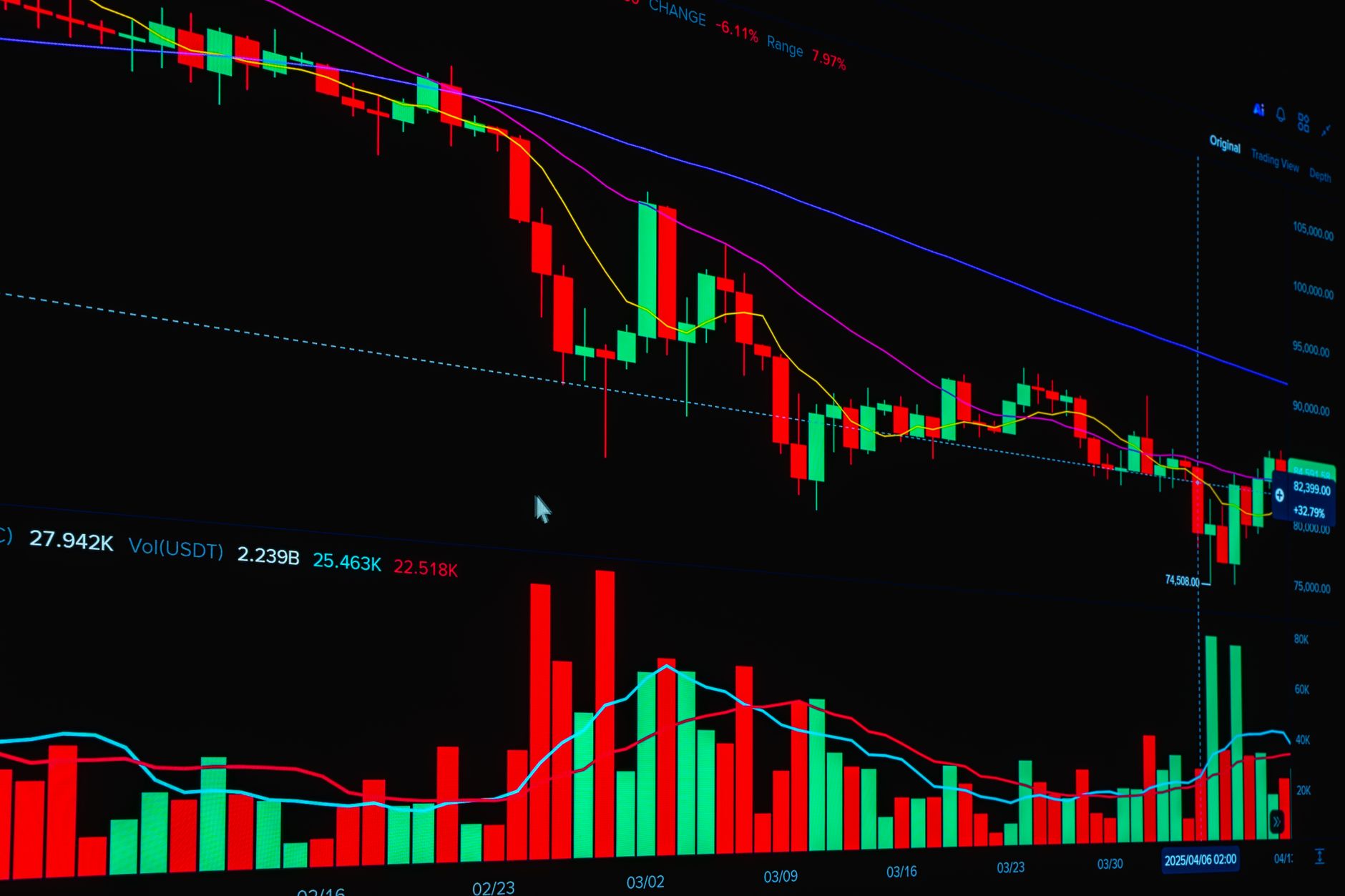
The move marks the second increase in Indian equity exposure that Wood has made within a three‑week window. He cited the recent sharp decline in artificial‑intelligence‑linked stocks worldwide as a primary catalyst for the adjustment. In his weekly investor note titled “GREED & fear,” Wood observed that financial markets appear to be treating the AI capital‑expenditure cycle as if it has peaked, even though he said there is no concrete evidence on the ground to confirm such a peak. He added that market participants will likely continue to interpret the prevailing signals as either the apex of a cycle or a mid‑cycle correction.
Wall Street has been under pressure for six consecutive sessions, a trend that Wood highlighted as part of the broader risk‑off environment. The recent public offering by AI firm Anthropic failed to ease concerns about stretched AI valuations and debt‑financed technology spending, according to analysts. The technology‑heavy Nasdaq Composite fell 2.25 percent to close at 23,879.20 after briefly climbing as much as 2 percent earlier in the session. The broader S&P 500 slipped 2.02 percent to finish at 7,175.83, while the Dow Jones Industrial Average dropped 2.19 percent, or 1,101.11 points, to end the day at 49,097.06. The Dow’s decline took the index below the 50,000 level for the first time since June.
Indian market outlook
Analysts note that Indian equities have rebounded nearly 15 percent from recent lows, but they caution that the market now faces a more challenging global backdrop. The ability of Indian stocks to attract fresh buying amid renewed selling pressure will be pivotal in determining whether the recent rally can be sustained.
Technical analysis from Ponmudi R, chief executive of Enrich Money, points to an immediate support zone at 25,400 on the Nifty, with a secondary level at 25,300. He stressed that staying above 25,400 is essential for preserving the current bullish momentum. While the near‑term outlook remains positive, he warned that elevated momentum levels suggest investors should be cautious about aggressive purchases at higher price points.
Further technical commentary from Shrikant Chouhan, head of equity research at Kotak Securities, identified a range of support and resistance levels for both the Nifty and Sensex. He listed 25,400 (Nifty) and 82,700 (Sensex) as primary support, with 25,320 and 82,500 as secondary cushions. On the upside, resistance could be encountered around 25,650/83,500 and 25,700/83,700. Chouhan added that a break below 25,200 on the Nifty or 82,200 on the Sensex could erode the market structure, potentially pulling the indices back toward the 25,100‑25,000 and 81,900‑81,600 zones. He recommended a selective buying strategy focused on stocks positioned between the 25,400 and 25,200 levels.
Hariselvan Radhakrishnan, founder and chief executive of HST Wealth, a SEBI‑registered research firm, offered a broader perspective on India’s positioning relative to the AI trade. He noted that India’s comparatively limited exposure to AI‑centric companies may provide a degree of insulation from the current weakness in AI‑related equities. However, he qualified that this advantage is likely to be selective, as foreign capital increasingly prefers companies with clear earnings visibility over those that simply benefit from broad market exposure.
Wood’s decision to tilt the portfolio toward India reflects both the relative resilience of the Indian market and the desire to mitigate exposure to sectors that have experienced heightened volatility. By reducing Taiwan exposure—a market that is more directly tied to the global AI supply chain—Wood appears to be seeking a defensive posture amid lingering uncertainty about the duration and depth of the AI valuation correction.
The broader implication for investors is that capital flows may increasingly favor markets and sectors that demonstrate stable earnings and lower correlation with the AI hype cycle. As the AI capex narrative evolves, portfolio managers like Wood are likely to continue monitoring the balance between growth‑oriented exposure and defensive positioning.
In summary, the combination of a pronounced pullback in AI‑linked equities, a six‑day streak of declines on major U.S. indices, and technical signals that suggest both support and resistance zones for Indian benchmarks has prompted a strategic reallocation toward Indian equities by a leading Jefferies strategist. The move underscores a cautious optimism about India’s market fundamentals while acknowledging the heightened risk environment that continues to affect global equity markets.






Be First to Comment