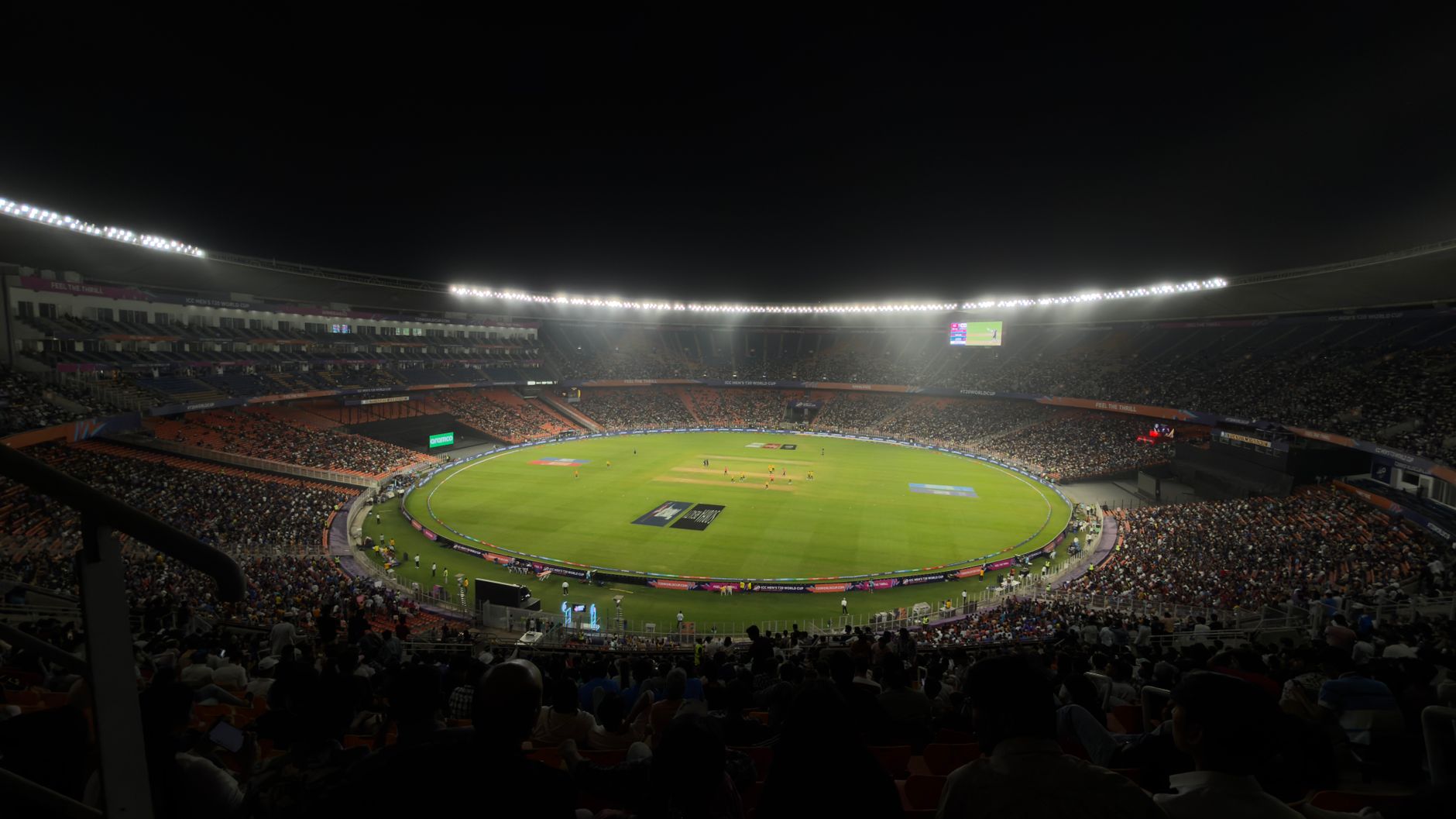
India’s captain Shubman Gill on Monday defended the team management’s decision to omit fast‑bowler Mohammed Siraj from the playing XI for the first Test against New Zealand in Wellington. Gill said the selection would not have changed the outcome of a match that ended in a draw after India posted a massive 720/9 declared.
Match summary and key performances
India amassed 720/9 declared in their first innings, the highest Test total the side has ever recorded on New Zealand soil. The innings featured centuries from KL Rahul and Rishabh Pant, while Yashasvi Jaiswal, Devdutt Padikkal and Gill himself contributed useful runs. The declaration came with four sessions left, giving the bowlers ample time to press for a win.
New Zealand replied with 368, bowled out largely thanks to Jasprit Bumrah’s four‑wicket haul, which gave India a first‑innings lead of 352 runs. In the second innings, the hosts recovered from a precarious 70/5 to reach 239/5 after 120 overs, thanks to a partnership between Daryl Mitchell and Glenn Phillips. The resilient stand helped New Zealand secure a draw.
With the match level, the question that dominated post‑match analysis was whether the inclusion of Siraj – and all‑rounder Ravindra Jadeja – could have tipped the balance in India’s favour. Gill answered unequivocally: “I don’t think so.”
Selection controversy and Gill’s comments
Siraj’s exclusion raised eyebrows before the game. India opted for off‑spinner Washington Sundar to counter New Zealand’s left‑handed batting line‑up, while the fast‑bowling unit was left without Siraj, who had been India’s leading wicket‑taker in the 2023 England series with 23 dismissals.
Gill, who described Siraj as “a great player and a great bowler” and also “a good friend of mine”, said the decision was based on current form and the combination the management wanted. “Leaving him out was a very tough decision for me as well,” Gill said. “But you have to see which bowlers are in form.”
The captain explained that he had spoken to Siraj before the match, informing him of the omission. “I told him before the match that he’s going to miss this match. I don’t know if he agreed or not, but he understood the logic behind it,” Gill added. He further noted that Siraj seemed to accept the reasoning and remained motivated to work his way back into the side.
Siraj’s recent record was also cited as a factor. In his last 12 Test matches he had taken 14 wickets, a return that the selectors deemed insufficient for the conditions. Nonetheless, former India greats such as Sunil Gavaskar, Ravi Shastri, Ravichandran Ashwin, Harsha Bhogle, Ajinkya Rahane and Dinesh Karthik publicly questioned the move, calling it harsh, baffling and disappointing.
Gavaskar, for instance, remarked that Siraj had “never let India down” and expressed confusion over his removal from the preferred four‑bowler unit. Shastri highlighted Siraj’s aggression and overseas experience, while Ashwin described the decision as “very harsh.” The criticism intensified after New Zealand recovered from 70/5 in the first innings, with Henry Nicholls and Glenn Phillips forging a vital partnership.
Gill maintained that the team’s strategy was to field the best combination available. “As long as the player is willing to work hard and come back, that is always a positive sign for us,” he said, referring to Siraj’s character and determination.
In Siraj’s absence, the workload was shared among Bumrah, Akash Deep, Anshul Kamboj and Prasidh Krishna, who each bowled at different stages of the match. The fast‑bowling unit managed to keep New Zealand’s chase in check, but the hosts’ lower‑order resistance proved enough to salvage a draw.
Looking ahead, the second Test is scheduled for Hagley Oval in Christchurch on November 27. With Siraj and Jadeja now available for selection, the management will need to decide whether to alter the bowling combination for the next match.
The Wellington Test will be remembered not only for India’s record total but also for the debate it sparked over team selection, player form, and the balance between friendship and professional decisions in international cricket.






Be First to Comment