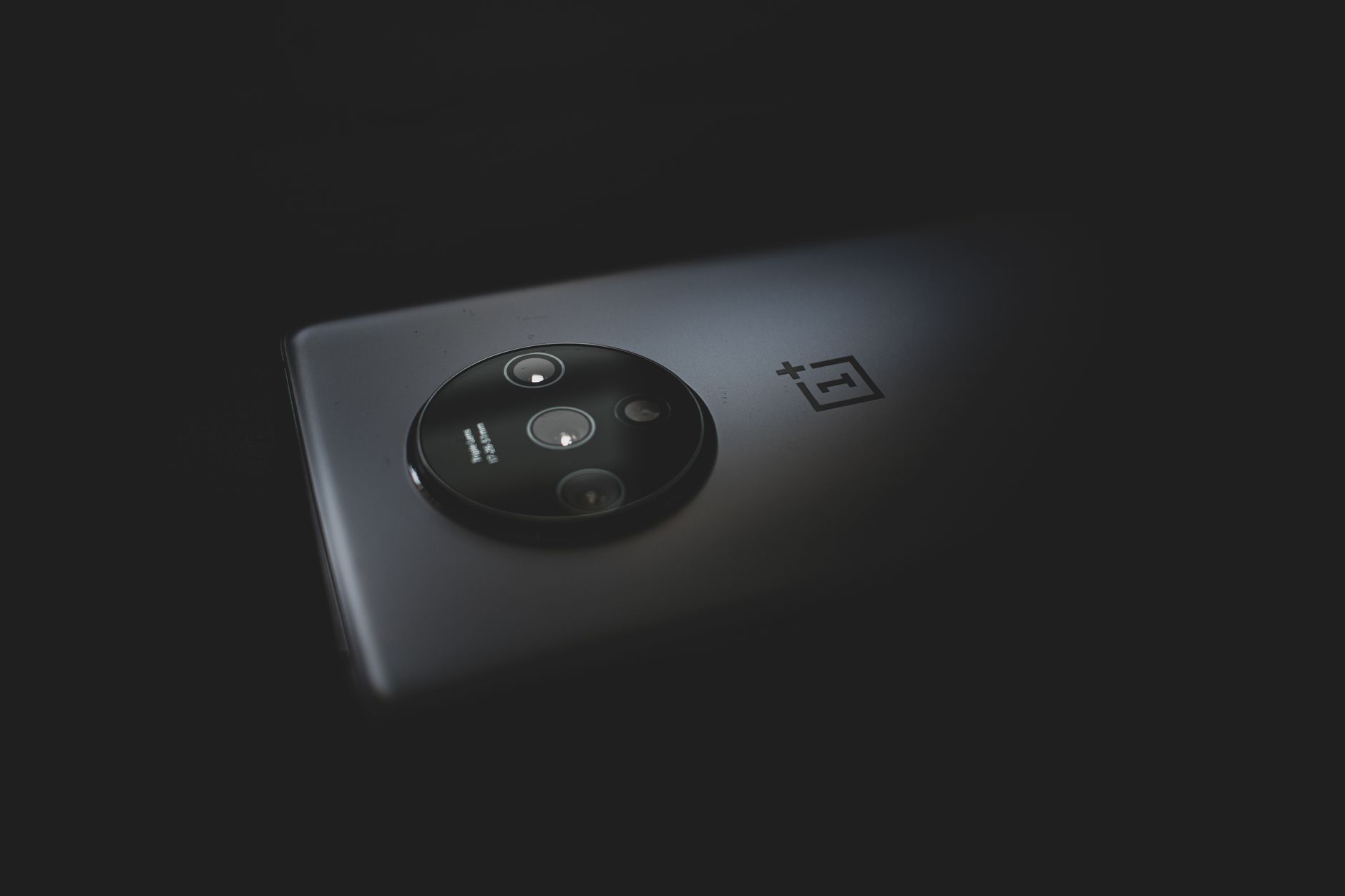
According to leaker Ice Universe, Samsung’s next flagship, the Galaxy S27 Ultra, will forgo the laser autofocus module that has been a staple of the Ultra line since the Galaxy S21 Ultra. The company is reportedly turning to AI‑driven focus technology to handle close‑range and low‑light situations that previously relied on laser assistance. The claim was posted on X and described as confirmed, with design renders showing no laser hardware on the rear of the device.
Camera hardware changes
The same leak indicates that the smaller Galaxy S27 Pro, which shares the Ultra’s camera architecture, will also omit the laser autofocus sensor. In addition to the autofocus shift, the S27 Ultra is said to drop its dedicated 3× optical telephoto lens, reducing the rear camera array from four sensors to three. The remaining sensors will include a 200 MP main camera built on Samsung’s ISOCELL HP6 sensor, a 50 MP ultrawide unit, and a 50 MP periscope telephoto lens offering 5× optical zoom. Intermediate 2× and 3× framing is expected to be achieved through cropping of the high‑resolution main sensor and computational processing rather than through a separate lens.
These changes mark a departure from the design philosophy that began with the Galaxy S21 Ultra, where a laser module was added to address focus‑hunting complaints that surfaced with the Galaxy S20 Ultra’s phase‑detection autofocus system. Samsung’s community moderator in April 2020 had noted that the early focus issues were unlikely to be fixed by a firmware update, prompting the addition of laser hardware in subsequent Ultra models. Removing the laser now raises questions about whether software improvements can match the hardware’s performance, especially in dim environments and at short distances where laser assistance has traditionally excelled.
Design and charging updates
Leaked schematics and accessory molds also suggest a redesign of the camera module itself. The S27 Ultra is expected to adopt a raised, rectangular camera plateau that replaces the individual floating lens rings seen on recent Ultra devices. This shift will render existing Galaxy S26 Ultra cases incompatible, prompting third‑party accessory makers to revise cutouts in anticipation of the launch.
Another reported hardware change is the integration of native Qi2 magnetic charging directly into the phone’s chassis, eliminating the need for a magnet‑equipped case to enable magnetic charging. The built‑in S Pen slot is expected to remain unchanged, preserving the stylus functionality that distinguishes Samsung’s premium lineup.
Business implications
From a cost‑discipline perspective, eliminating the laser module and a secondary telephoto lens reduces component count and frees internal space that could be allocated to larger sensors, a bigger battery, or the new magnetic charging hardware. While Samsung has not disclosed specific cost targets for the S27 program, analysts note that such reductions can improve margins on a flagship that typically sells in the four‑figure price range.
The trade‑offs for consumers will surface in everyday shooting. Portraits and mid‑range zoom shots will rely more heavily on computational processing, and the absence of laser assistance puts additional pressure on Samsung’s AI focus algorithms to perform reliably in low‑light scenarios. On paper, the three‑sensor configuration narrows the flexibility gap that Samsung’s Ultra line has traditionally held over rival flagships, many of which now pair large main sensors with multiple dedicated telephoto lenses.
For context, Google’s Pixel 11 Pro XL, released in August 2026, pairs a 50 MP main sensor with a 48 MP 5× periscope and a 48 MP ultrawide, while retaining multi‑zone laser autofocus—a feature the S27 Ultra is reported to lose. The Pixel also includes built‑in Qi2.2 magnets, mirroring the magnetic charging capability that Samsung plans to add.
Investors are watching the margin impact closely. Samsung’s Mobile Experience division generated four‑figure sales in the third quarter of 2026, but the broader MX and Networks businesses reported KRW 37.7 trillion in revenue alongside an operating loss of KRW 0.6 trillion, a result the company attributed to cost pressures. The mobile segment also faces intensified competition from Chinese manufacturers that bundle larger camera hardware into comparable price brackets. How reviewers and early adopters respond to the software‑centric camera approach will be an early test of Samsung’s ability to sustain premium positioning without the hardware depth that has defined previous Ultra models.
All reported specifications remain unconfirmed by Samsung, and final details could shift before mass production begins. Official renders and the Unpacked event, expected in January or February 2027 based on Samsung’s recent launch cadence, will provide definitive confirmation of the camera layout and related features.





Be First to Comment