The Supreme Court of India on September 15 has delivered an important interim ruling on the Waqf (Amendment) Act, 2025. While the apex court refused to suspend the entire law, it stayed specific provisions that gave wide-ranging powers to district collectors over waqf properties.
A bench comprising Chief Justice BR Gavai and Justice AG Masih observed that the provision empowering collectors to determine whether a property declared as waqf is actually government property, and then pass consequential orders, would remain stayed until further hearing.
- The court also struck down for the time being, the clause that permitted only individuals practicing Islam for at least five years to create waqf.
- This interim order comes after several petitions challenged the 2025 amendments, arguing that they diluted the autonomy of waqf institutions and imposed restrictions which are inconsistent with constitutional guarantees.
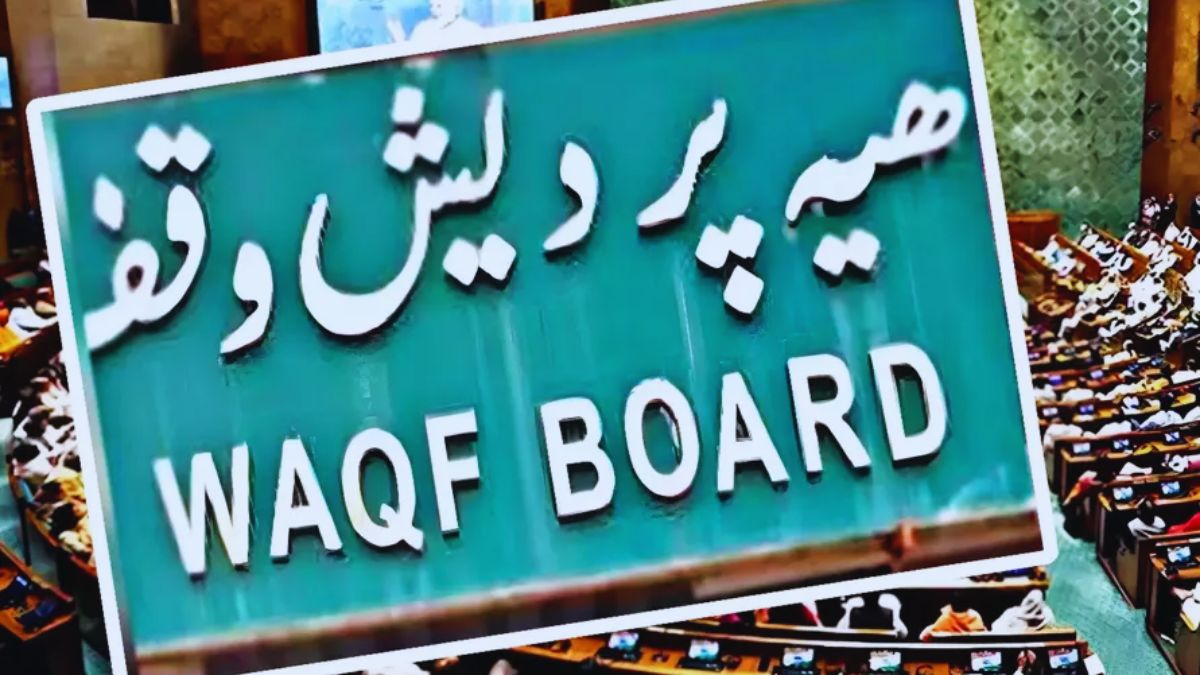
What Is the Waqf Board?
The Waqf Board is a statutory authority established to manage properties donated by Muslims for religious, charitable, or community purposes. Such assets, known as waqf, can include mosques, madrasas, graveyards, dargahs, agricultural land, schools, shops, and other institutions. Once a property is declared as waqf, it becomes inalienable – it cannot be sold, transferred, or inherited.
Currently, India has 30 state waqf boards overseeing nearly 8.7 lakh properties spread across 9.4 lakh acres of land, with an estimated market value of over INR 1.2 lakh crore. This makes the waqf system the country’s third-largest landowner after the Indian Railways and the Indian Armed Forces.
These properties are managed by trustees called mutawallis, under the supervision of their respective boards. However, the waqf system has often faced criticism due to disputes over property ownership, allegations of mismanagement, prolonged litigation, and cases of illegal encroachment.
The Waqf Act: A Legal Framework
India’s waqf properties are governed under the Waqf Act, which has evolved over decades. A major overhaul came in 1995, followed by amendments in 2013, which strengthened provisions for transparency and accountability.
The Waqf Act of 1995 defines ‘waqf’ as the permanent dedication of movable or immovable property for purposes recognised under Muslim law as religious, charitable, or pious.
- The Act requires each state to establish a Waqf Board, register waqf properties, and publish official records.
- It also set up waqf tribunals to resolve disputes, with provisions for appeals before High Courts.
- At the central level, the Central Waqf Council was formed to advise the government and oversee the functioning of state boards.
The New Amendment and Its Controversy
The Waqf (Amendment) Bill, 2024, passed in Parliament and enacted in 2025, introduced sweeping changes. Key provisions included:
- Mandatory registration of waqf properties with the area’s District Collectors (DCs).
- Government nomination of members to Waqf Boards
- Inclusion of women and non-Muslims in board administration
The government defended these changes as necessary steps to enhance transparency, accountability, and inclusivity in waqf management.
- However, opposition parties and several community leaders criticized the amendments as politically motivated and ‘anti-Muslim’, arguing that they undermined the independence of waqf institutions.
What Lies Ahead?
With the Supreme Court staying crucial provisions of the 2025 law, the future of the Waqf (Amendment) Act remains uncertain. The case is likely to see extensive hearings in the upcoming months, balancing the government’s push for reform against the constitutional and community concerns raised by petitioners.
The judgment marks an important moment in the debate over the governance of one of India’s largest networks of community-owned assets.






Be First to Comment