As Kerala gears up to declare itself the first Indian state to eliminate extreme poverty, voices from its streets, coastal regions, and tribal belts paint a more complex picture of progress and pain.
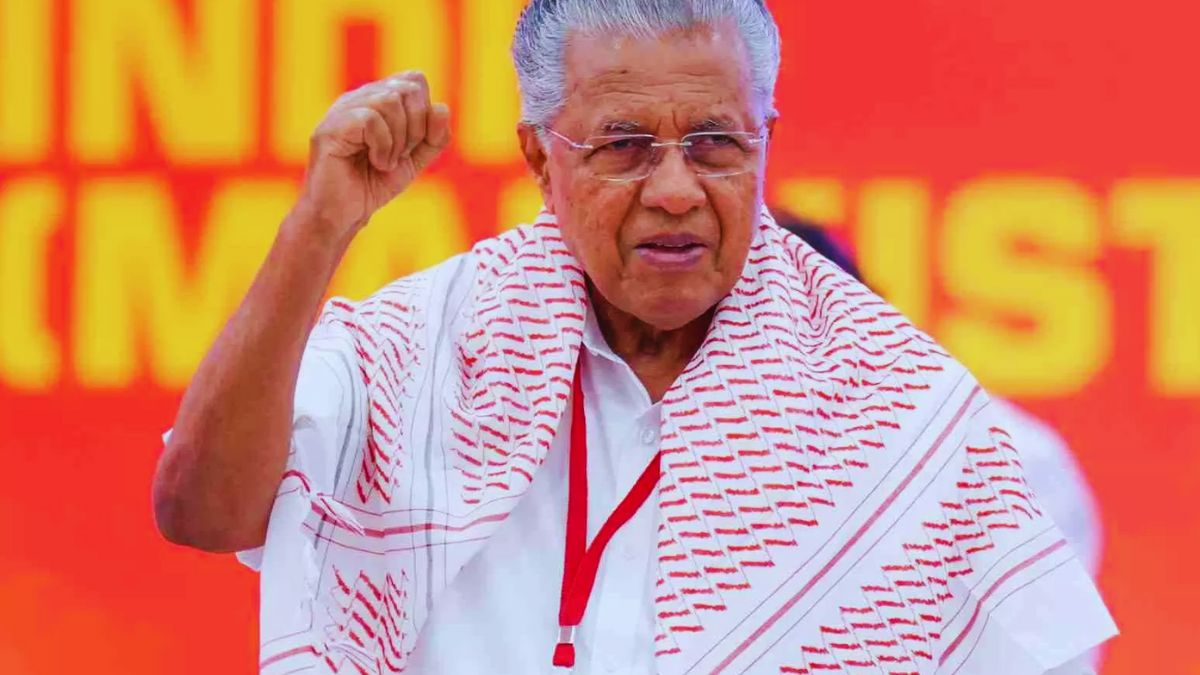
On November 1 — Kerala’s formation day — Chief Minister Pinarayi Vijayan, joined by iconic film stars Mammootty, Mohanlal, and Kamal Haasan, will officially announce the state’s “extreme poverty-free” status in a grand public ceremony in Thiruvananthapuram.
A Landmark Declaration
The announcement marks the culmination of the Extreme Poverty Eradication Programme launched by the Left Democratic Front (LDF) government in 2021. According to the state, this initiative identified 64,006 households across Kerala that were living without access to basic needs such as food, shelter, healthcare, or livelihood — the four criteria used to define extreme poverty.
Following a detailed verification process, officials reported that 4,421 families were found deceased, 261 were untraceable, and 59,277 households were rehabilitated by linking them to government welfare schemes, housing projects, or livelihood initiatives.
Local Self-Government Minister M. B. Rajesh hailed this as a “historic milestone,” stating that Kerala’s decentralized governance model and political commitment had made the eradication of extreme poverty possible.
“Kerala has shown that with collective effort and political will, no one needs to sleep hungry or homeless,” he said. “Every identified family has been connected to welfare measures ensuring dignity and stability.”
Dissent on the Streets
However, as the state celebrates, dissent simmers just outside the Secretariat. For over six months, thousands of ASHA (Accredited Social Health Activist) workers — the same women who played a crucial role during the COVID-19 pandemic — have been protesting for fair pay and recognition.
These community health workers, most from low-income households, are demanding a daily wage of ₹750, social security benefits, and permanent employment status. “We handle vaccination drives, disease surveillance, maternal care, and health counselling, yet we earn less than a daily-wage labourer,” said one protester. Despite their relentless strike, government officials have stated that the ongoing protest will not overshadow the November 1 celebrations.
Gaps in the Grassroots
Beyond the capital’s celebrations, large pockets of inequality still exist in Kerala’s interiors. In Wayanad — home to nearly 152,000 of the state’s 426,000 tribal people — poverty and landlessness remain widespread. According to the Kerala Scheduled Tribes Development Department, more than 85% of tribal families across Wayanad, Palakkad, Idukki, and Kannur remain without land ownership, often surviving on the fringes of forest land and low-paying labour.
While Kerala’s social indicators remain impressive — with the NITI Aayog’s Multidimensional Poverty Index pegging poverty at just 0.55%, far below the national average of 15% — these numbers mask persistent inequalities and localized deprivation.
The Reality Behind the Celebration
Kerala’s journey towards social justice and economic inclusion has long been admired nationwide. Yet, even as the state prepares to mark a historic milestone, its streets echo with the demands of workers and marginalized communities who feel left behind.
When the lights dim and the music fades after November 1, Kerala will remain what it has always been — a state of remarkable progress and deep contradictions, where achievements coexist with unfulfilled promises.





Be First to Comment