India Withdraws Mandatory Cybersecurity App Order After Backlash from Politicians, Privacy Groups, and Tech Giants
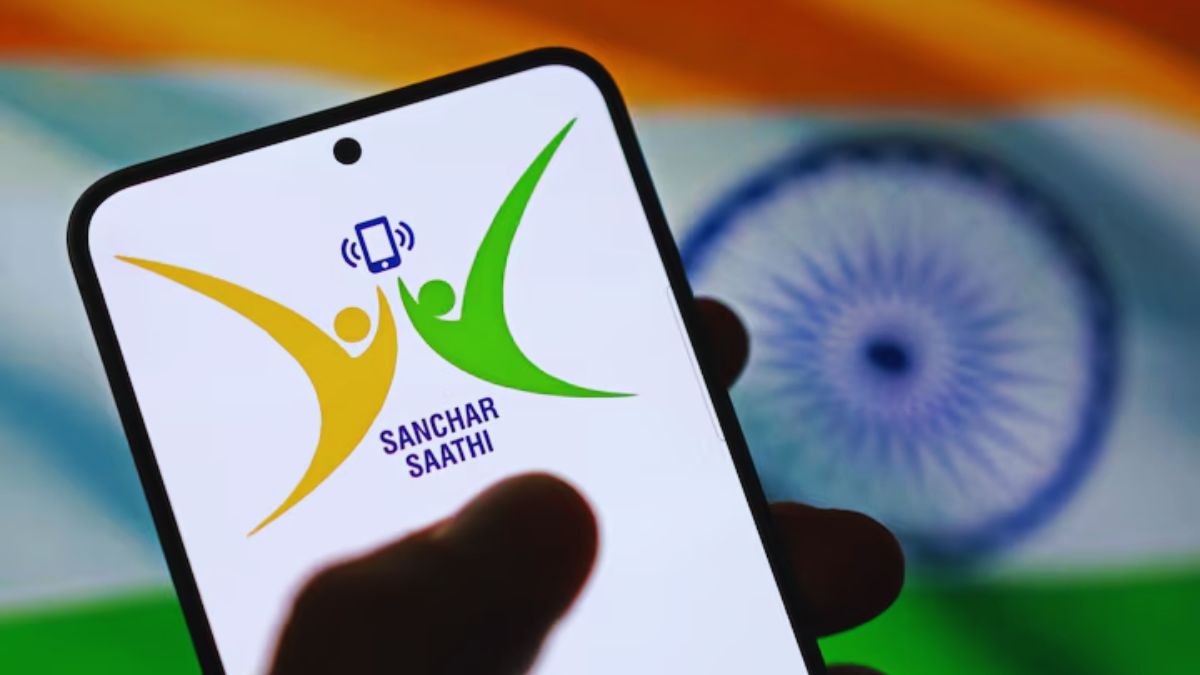
In a significant policy reversal, the Indian government has withdrawn its directive requiring smartphone manufacturers to preload a state-run cybersecurity application on all new devices. The decision comes amid strong criticism from opposition leaders, digital rights advocates, and major global smartphone brands over concerns that the mandate could encourage surveillance and compromise user privacy.
The directive, quietly issued on November 28, instructed companies such as Apple, Samsung, and Xiaomi to install the government’s Sanchar Saathi app on all upcoming smartphone models within 90 days. The app was to be non-removable and always active – raising immediate red flags among privacy experts and consumer groups.
However, on December 3, India’s Union Ministry of Communications announced the withdrawal of the mandate, stating, “Government has decided not to make the pre-installation mandatory for mobile manufacturers.”
Resistance From Industry and Opposition Parties
The now-scrapped order had sparked widespread pushback.
- Opposition parties criticized the lack of transparency and demanded clarity on the legal authority behind enforcing a non-removable government app on millions of consumers.
- Senior Congress leader Randeep Singh Surjewala formally notified Parliament, calling for a debate on privacy, data protection, and the risks of embedded apps that users cannot uninstall.
- He warned that such an app could potentially include a “backdoor” that might compromise sensitive personal information, heightening fears of government overreach.
- Global smartphone manufacturers were also reportedly unwilling to comply.
- According to industry sources, both Apple and Samsung had indicated they would resist the mandate due to the implications it carried for user privacy and device integrity.
Government Defends App but Retreats Amid Protest
Just a day before the reversal, ministers had publicly supported the compulsory installation plan. They argued that the Sanchar Saathi app is designed to help citizens locate and block stolen phones, thereby preventing misuse of lost or illegally obtained devices.
Following criticism, the government said it stepped back from the mandate because the app was already gaining traction voluntarily. Officials reported that over 600,000 people downloaded the app since December 2 alone. In its statement, the ministry reiterated that the app was “secure and purely meant to help citizens from bad actors in the cyber world.”
Concerns Over India’s Regulatory Climate
This is not the first time the Indian government has reversed a digital policy following criticism. Last year, New Delhi withdrew a laptop import licensing rule after intense lobbying from U.S. officials and technology companies.
Tech lawyer Mishi Choudhary commented that India’s ‘unpredictable regulatory framework‘ creates challenges for businesses that depend on consistency and stable policymaking. She welcomed the rollback but cautioned that frequent, abrupt policy shifts without proper analysis can hinder efforts to effectively tackle cyber fraud.
Past Privacy Controversies
Prime Minister Narendra Modi’s administration has previously faced scrutiny for policies linked to data surveillance. During the COVID-19 pandemic, the government required many office workers to use the Aarogya Setu contact-tracing app—a rule later relaxed after pushback from privacy campaigners.
The initial order had few international precedents. Russia recently mandated that a state-backed messaging app, MAX, be pre-installed on all new smartphones and tablets – a move widely criticized for enabling potential user tracking.






Be First to Comment