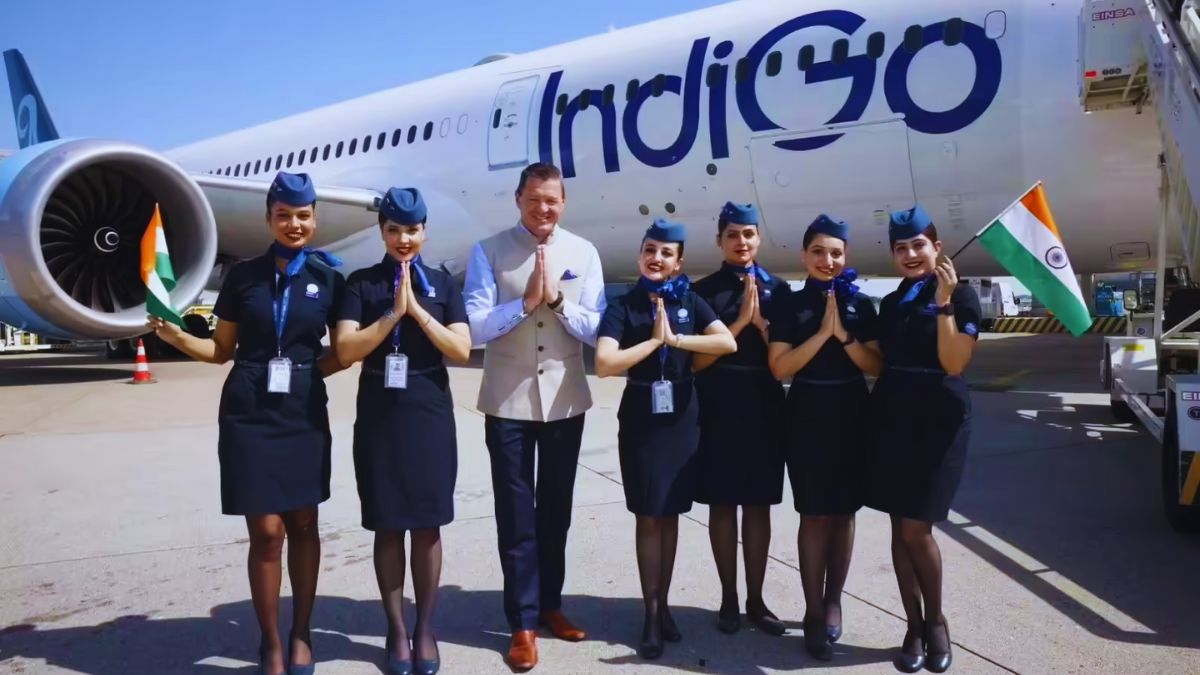
IndiGo Ordered to Cut 5% of Flights as DGCA Moves to Contain Aviation Crisis
India’s largest airline, IndiGo, is under intensified regulatory scrutiny after the Directorate General of Civil Aviation (DGCA) directed it to slash 5% of its scheduled operations. The move follows an unprecedented wave of flight cancellations since December 2, triggering one of the most disruptive meltdowns the country has witnessed in recent years.
DGCA Steps in Amid Widespread Travel Disruptions
According to senior government officials, IndiGo must submit a revised — and significantly reduced — flight schedule by Dec 9. Around 110 daily flights are expected to be redistributed to other carriers, with officials warning that further cuts will continue to happen if service irregularities persist. The DGCA is assessing the airline’s staff strength, rostering patterns, and operational readiness under the newer flight duty time limitations (FDTL Phase II).
Depending on its findings, the regulator may escalate penalties, including action against senior IndiGo executives. To limit passenger inconvenience, the civil aviation ministry has asked competing airlines — Air India, SpiceJet and Akasa Air — to boost capacity. Air India is deploying wide-body aircraft on select domestic routes while all carriers have been instructed to maintain capped fares.
Under the temporary price ceiling, airlines may charge no more than ₹7,500 for routes up to 500 km. Fares on key trunk sectors between 1,000 and 1,500 km, such as Delhi–Mumbai, are capped at ₹15,000. These limits aim to prevent the fare inflation seen immediately after IndiGo’s cancellations began.
IndiGo’s Explanation for the Operational Breakdown
In its response to the DGCA’s show-cause notice, IndiGo attributed the large-scale disruption to a ‘compounding effect‘ of several unforeseen factors. The airline pointed to minor technical snags, winter-schedule transitions, worsening weather conditions, airport congestion and challenges tied to the FDTL Phase II rollout.
IndiGo told the regulator that isolating a single root cause within the short time window was “realistically not possible” and asked for additional time to conduct a detailed assessment. A four-member DGCA committee, led by Joint Director General Sanjay Brahamane, has been formed to review IndiGo’s manpower deployment and crew planning. The panel may call senior executives for questioning before deciding whether deeper operational cuts are necessary.
Market Reaction and Potential Penalties
IndiGo Stock Suffers Sharp Decline
Shares of InterGlobe Aviation Ltd., IndiGo’s parent company, plunged 8.7% on Monday — the steepest decline since February 2022. The seven-day sell-off has wiped out nearly $4.5 billion in market value, fueled by investor concerns over regulatory action and potential long-term financial strain. Ratings agency Moody’s has also warned that the crisis could exert significant pressure on IndiGo’s balance sheet.
Tougher Rules Bring the Risk of Legal Action
Civil aviation minister Ram Mohan Naidu told Parliament that severe penalties would follow if the airline were found responsible for systemic lapses. Under updated aircraft rules, IndiGo’s chief operating officer and accountable manager, Isidre Porqueras, could face up to three years’ imprisonment, a fine of ₹1 crore, or both.
Dominance Raises Broader Industry Questions
IndiGo commands over 65% of India’s domestic aviation market — a level of dominance uncommon in major economies. The ongoing crisis has renewed debate on the risks of concentrated market share and the need to diversify India’s airline ecosystem. Officials say the ministry is actively encouraging more players to enter the sector to avoid over-reliance on a single carrier.





Be First to Comment