VVS Laxman, who heads the Board of Control for Cricket in India’s (BCCI) Centre of Excellence (CoE), pushed back against mounting criticism of the board’s injury‑management procedures after two senior players were ruled out of the upcoming two‑Test series in Sri Lanka. Fast‑bowling spearhead Jasprit Bumrah and No. 3 batsman Sai Sudharsan were both withdrawn after failing to obtain the required fitness clearances.
Conditional selection and the role of the asterisk
The squad for the Sri Lanka tour was announced on July 28, a week before the team’s departure. Both Bumrah and Sudharsan were listed conditionally, meaning their inclusion was subject to passing a fitness assessment. Laxman explained that this practice is built into the selection process: “The selector reaches out to the CoE asking for the fitness status report. We collect the current status and send a fitness status report to the selection committee chairman… with a copy to the head coach of both the teams and the BCCI.”
He added that the asterisk attached to a player’s name in a media release simply denotes “subject to fitness.” The protocol requires the player to move through a series of assessment stages, and if progress is slower than expected, the CoE informs the selection committee chairman and the head coach. “They understand that they’re not yet ready to participate in the national series. Always it’s player‑centric and team‑centric,” Laxman said.
BCCI secretary Devajit Saikia reinforced the explanation, noting that selection meetings are held three to four weeks before a tour, leaving uncertainty about a player’s exact condition. “If he gets fit within the period of 21 days or 28 days, he will be taken into the team. We do not outrightly reject him because he’s not fit on the date of selection,” Saikia said. He emphasized that the body is not a machine and recovery timelines can vary.
Rehabilitation pathway at the Centre of Excellence
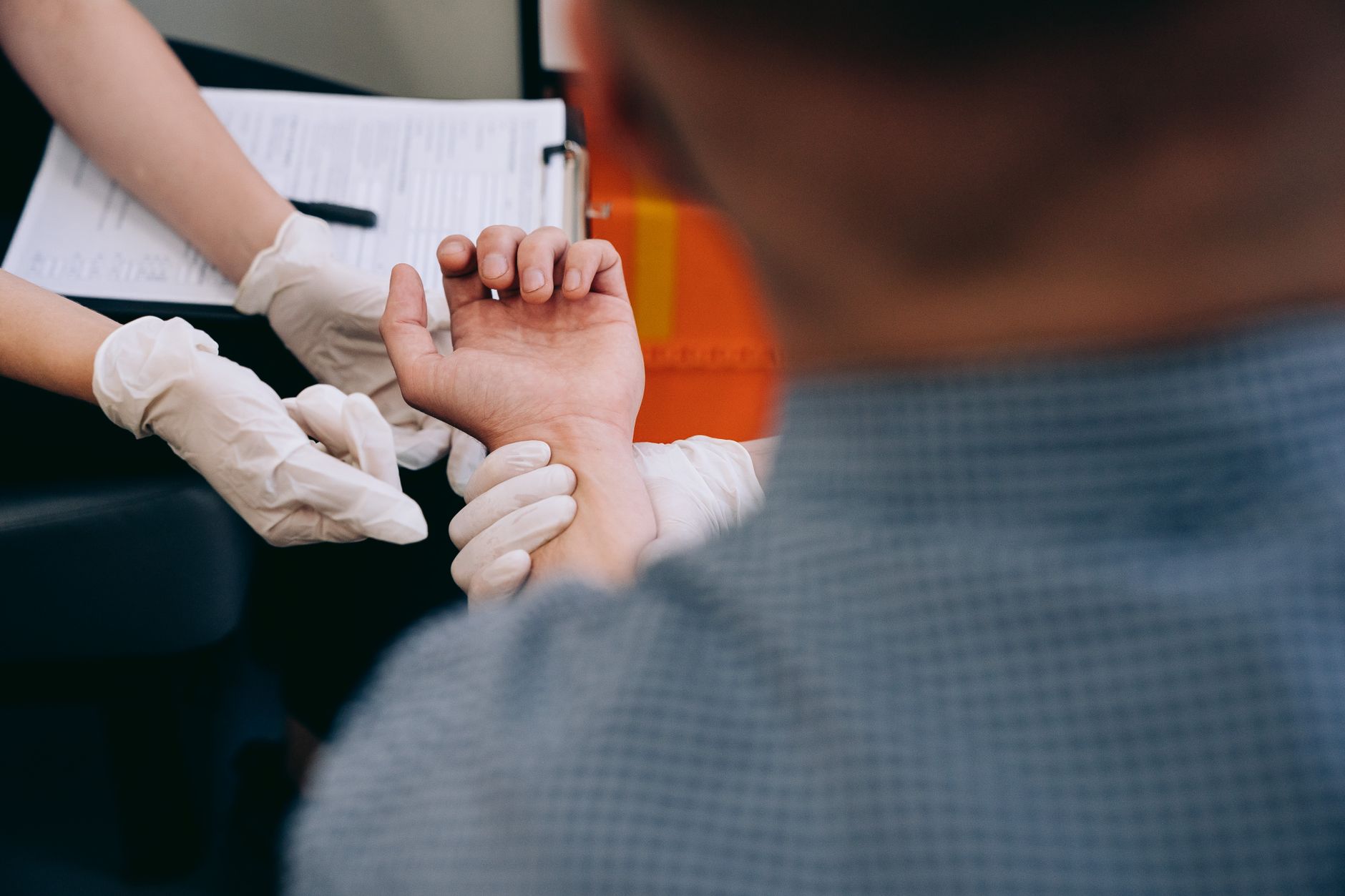
Laxman detailed the CoE’s broader remit beyond simple injury treatment. Once a player is injured, the Indian team physiotherapist determines the nature of the injury and liaises with specialists connected to the centre. The player is then examined clinically by the Sports Science & Medicine (SSM) team, which creates a tailored recovery plan.
After the initial medical assessment, the player moves to a strength and conditioning phase overseen by the Sports Nutrition and Conditioning (SNC) unit. Following that, skill work is re‑introduced and the workload is gradually built up. The final stage involves playing two Return‑To‑Play (RTP) matches before the player is declared fit for national duty.
“The whole idea is that when he goes back to the Indian team, men and women, or wherever, including the state teams, he has to be up and running and from the first match he is able to perform to the best of his potential,” Laxman said. He stressed that the guidelines and timelines are objective, but they must accommodate the variability of the human body.
Impact on the Sri Lanka tour and replacements
With Bumrah’s withdrawal, the board flew in Auqib Nabi as his replacement. As of the time of the statements, a substitute for Sudharsan had not yet been announced. Laxman asserted that transparency is a cornerstone of the BCCI’s approach, noting that fitness reports and selection decisions are publicly disclosed. “If they don’t clear the fitness test, the selectors will know who are the other players who will go in their place,” he said, describing the process as “basic common sense.”
The CoE’s systematic approach, according to Laxman, aims to prevent premature returns that could jeopardise a player’s long‑term health or the team’s performance. By requiring players to complete the full RTP programme and demonstrate readiness in competitive matches, the board hopes to minimise the risk of recurring injuries.
Both Laxman and Saikia concluded that the conditional selection mechanism is designed to balance the interests of the individual player with the needs of the national side. While the recent setbacks have drawn media scrutiny, the officials maintain that the procedures are transparent, medically sound, and aligned with best practices in elite sport.
As India prepares to depart for Sri Lanka, the focus now shifts to the players who have cleared the CoE’s assessments and the coaching staff’s ability to adapt the game plan without Bumrah’s pace and Sudharsan’s batting depth. The board’s officials remain confident that the existing protocols will continue to safeguard player welfare while ensuring a competitive squad for the upcoming Tests.





Be First to Comment