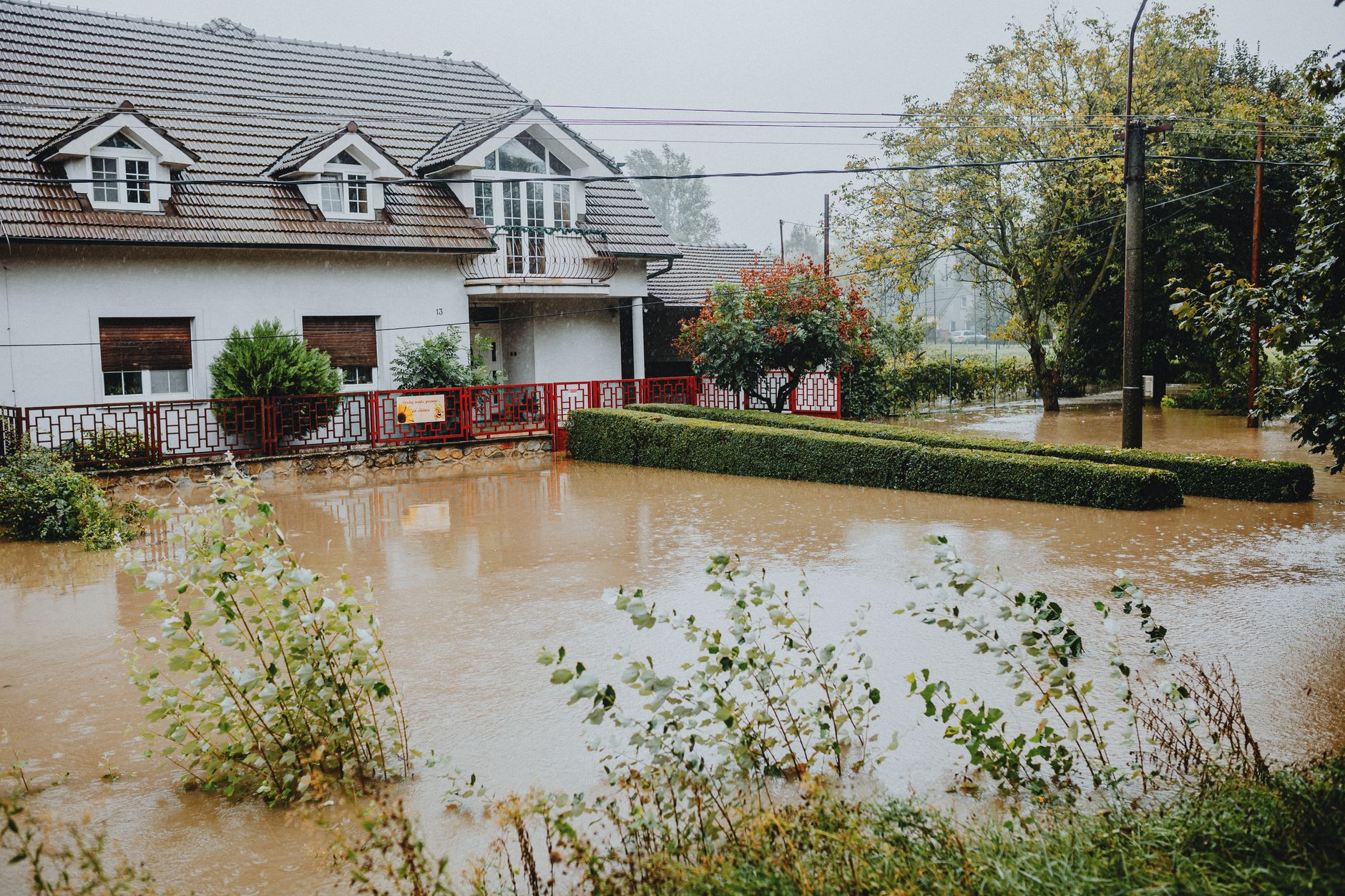
Uttar Pradesh experienced a severe weather episode between the morning of September 25 and the morning of September 27, during which 97.6 mm of rain fell – far above the normal 4.5 mm for the same period. The deluge claimed 56 lives and injured 46 people, according to state officials. Excessive rainfall was recorded in 56 of the state’s 75 districts, prompting concerns that the casualty count could increase as data collection continues.
Rainfall Extremes and District Impact
Relief commissioner Hrishikesh Bhaskar Yashod highlighted the extraordinary magnitude of the precipitation in several districts. In Farrukhabad, rainfall was measured at 7,385 % above normal levels. Kannauj saw a 5,664 % increase, Shahjahanpur recorded 4,408 % above average, Hamirpur posted 4,240 % above normal, and Mahoba experienced a rise of 4,100 % over typical figures. These percentages underscore how the storm system far exceeded expected monsoon patterns across a broad swath of the state.
Human Toll and Property Damage
Beyond the loss of life, the heavy rains inflicted substantial material damage. More than 1,020 houses were reported damaged, and 107 domestic animals died as a direct result of the weather‑related incidents. Yashod stated that the figures on casualties are still being compiled, and the official death toll could rise as additional reports are verified. The relief commissioner also noted that the ongoing adverse conditions have begun to ease, with the most intense activity now largely confined to the Terai region, where forecasts still predict heavy to very heavy rainfall.
In addition to the immediate human and property impacts, the state’s disaster management apparatus has been mobilised to assess and respond to the widespread damage. Relief teams are conducting ground surveys, providing emergency shelter to displaced families, and coordinating with local authorities to restore essential services. The scale of the damage, coupled with the high number of districts affected, presents logistical challenges for rapid recovery.
Related Weather Events and Ongoing Risks
The monsoon disturbances are not limited to Uttar Pradesh. In the neighboring state of Odisha, officials warned of an imminent flood threat to several low‑lying districts. Engineer‑in‑chief Dillip Kumar Rout of the Odisha Water Resources Department projected that around 700,000 cusecs of water could flow through the Mundali barrage by Sunday night, potentially rising to 800,000 cusecs by 10 a.m. on Monday. Such volumes are expected to affect the districts of Khurda, Cuttack, Puri and Jagatsinghpur, as rivers in the Mahanadi system—including the Luna, Karandia, Chitrotpala, Kathajodi and Kuakhai—are likely to experience flooding.
Other river basins in Odisha also face heightened danger. The Devi, Kandala, Kushabhadra, Daya, Bhargavi, Rajua and Makara rivers are listed among those where flood conditions could develop. In the northern part of the state, the Baitarani, Salandi and Subarnarekha rivers continue to flow above danger levels, further complicating the regional flood outlook.
Further north, in Uttarakhand’s Rishikesh, river‑rafting operations on the Ganga at the Muni‑ki‑Reti stretch have been suspended indefinitely. Tourism and adventure officer Sobat Singh Rana explained that the halt follows continuous rainfall across the Garwal division and advisories from the Meteorological Department. “Rafting will resume only after an assessment of weather conditions, the monsoonal forecast, the Ganga’s water level and the weather forecast for next week,” he said.
These interconnected weather events illustrate the broader monsoon dynamics affecting northern and eastern India. While Uttar Pradesh grapples with a sudden spike in rainfall and its immediate human toll, neighboring states are contending with riverine flooding and the suspension of tourism activities. State authorities across the region are monitoring the situation closely, issuing alerts, and preparing emergency response measures to mitigate further loss of life and property.
As the monsoon season progresses, officials stress the importance of community preparedness and timely dissemination of weather warnings. The relief commissioner’s remarks that casualty figures could rise underscore the need for continued vigilance. Ongoing assessments will determine the full extent of damage and guide the allocation of resources for relief and rehabilitation in the affected districts.






Be First to Comment