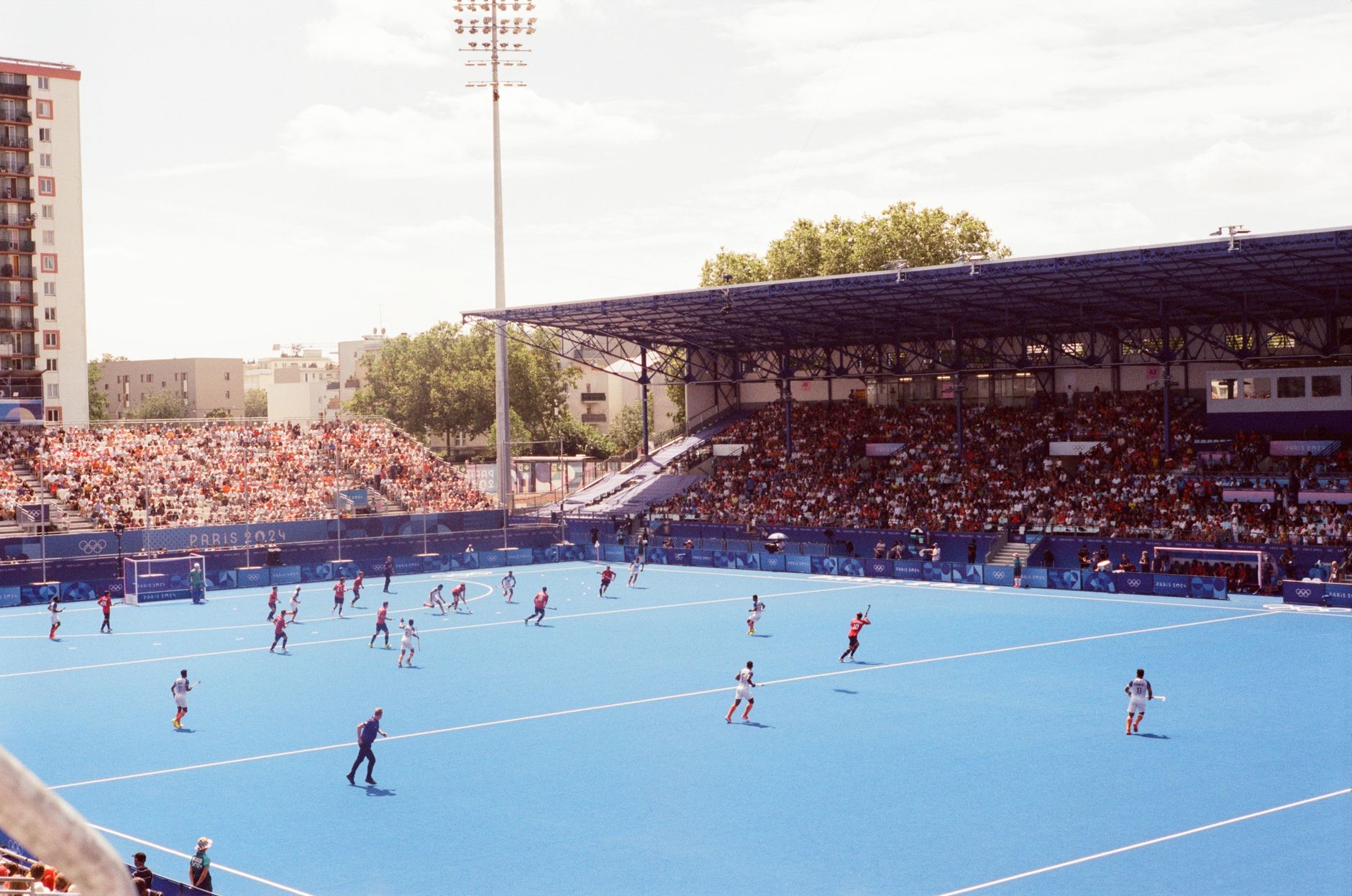
Tokyo‑adjacent Kakamigahara will host one of the most anticipated matches of the Aichi‑Nagoya Asian Games 2026 on Thursday, as the defending champions India take on long‑time rivals Pakistan in the first semi‑final. A victory will secure a spot in the gold‑medal contest, while a loss would end India’s bid to become the first nation to defend the Asian Games hockey crown.
India’s dominant pool performance
India entered the knockout stage having won every game in Pool A. The campaign began with a lopsided 13‑1 triumph over Indonesia, followed by another high‑scoring 16‑1 win against Sri Lanka. A solid 8‑2 victory over South Korea marked the best result the Indian side has ever recorded against that opponent in Asian Games history. The team then faced the host nation Japan, producing a hard‑fought 2‑0 win that proved to be their toughest pool‑stage test. India closed the group round with a commanding 10‑0 demolition of Bangladesh, finishing the pool with a perfect 5‑0 record.
Offensively, the Indians have been prolific. Forward Dilpreet Singh has netted nine goals, placing him joint second on the tournament’s scoring list. Fellow attackers Abhishek and captain Harmanpreet Singh have each contributed eight goals, with Harmanpreet’s drag‑flicks from penalty corners remaining a decisive weapon.
Pakistan’s road to the semi‑final
Pakistan entered the semi‑final after a strong showing in Pool B, though a narrow 4‑5 loss to Malaysia relegated them to second place and prevented a potential final meeting with India. Their pool victories included a 9‑0 rout of Thailand, a 5‑1 win over Uzbekistan, a 3‑0 shutout of China and a 7‑2 triumph against Oman.
The Pakistani attack has been spearheaded by drag‑flick specialist Sufiyan Khan, who leads the tournament’s scoring chart with 11 goals. His proficiency from penalty corners sets up a direct tactical clash with India’s own drag‑flick ace, Harmanpreet Singh, and could prove pivotal in a match where set‑piece efficiency often decides outcomes.
Key injuries and tactical battles
India will be without midfielder Raj Kumar Pal, who suffered a fractured left thumb in the final pool match against Bangladesh. To fill the void, travelling reserve Nilakanta Sharma has been promoted into the squad. Coach Craig Fulton praised Sharma’s experience, noting his participation in previous Olympics and World Cups and describing the addition as valuable for a high‑pressure encounter.
Fulton emphasized the importance of fine‑tuning both penalty‑corner attack and defence ahead of Thursday’s game. He highlighted the team’s momentum, citing five strong performances that have built confidence heading into the semi‑final. The coach also remarked on the clear weather forecast for Kakamigahara, a sunny day that contrasts with the rain that hampered earlier matches in the tournament.
The rivalry between the two sides adds an extra layer of intensity. India has not been beaten by Pakistan since the 2016 South Asian Games final, a streak the defending champions hope to extend in this major tournament. Both squads are aware that any lapse in defending penalty corners could be costly, given the firepower each possesses in those situations.
Beyond the individual talents, the match will test each team’s overall discipline. India’s recent games have demonstrated a blend of attacking flair and defensive solidity, while Pakistan’s route to the semi‑final showcased resilience after a close loss to Malaysia. The semi‑final will be a test of which approach prevails under the pressure of a single‑elimination format.
Should India emerge victorious, they will move one step closer to achieving a historic first successful defence of the Asian Games gold medal in men’s field hockey. A win would also reinforce their dominance over Pakistan in recent years and cement their status as the tournament’s benchmark side.
For Pakistan, a triumph would not only avenge the recent loss to Malaysia but also give them a chance to break India’s unbeaten streak against them in major Asian competitions. Advancing to the final would provide an opportunity to challenge for the gold medal and restore confidence ahead of future international fixtures.
The semi‑final promises to be a tightly contested affair, with both teams possessing potent drag‑flick specialists, experienced midfielders, and a clear desire to capitalize on their respective tournament runs. As the sun shines over Kakamigahara, the stage is set for a classic encounter that could shape the narrative of Asian hockey for years to come.





Be First to Comment