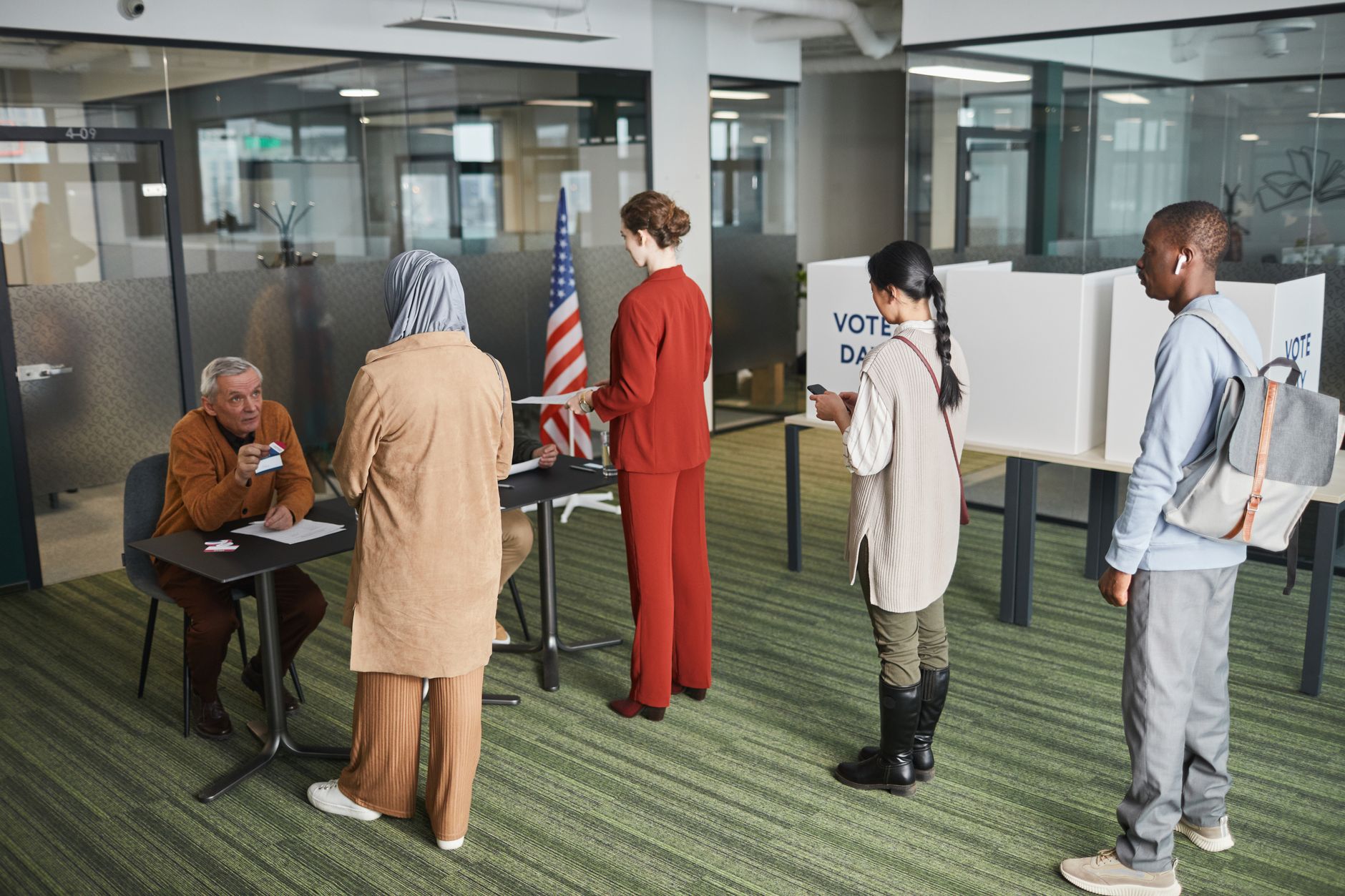
The Election Commission of India announced on Thursday a targeted outreach programme aimed at reinstating legitimate electors who may have been excluded during the Special Intensive Revision (SIR) exercise carried out across 20 states. The initiative, described as a “special drive,” will see booth‑level officers (BLOs) visiting households of voters who appeared on pre‑SIR rolls but are missing from the current electoral list. During these visits, officers will verify each person’s eligibility and, where appropriate, facilitate enrolment through Form 6, the standard form for fresh voter registration.
Scope and Mechanics of the Drive
The commission’s letter to state chief electoral officers (CEOs) clarified that voter enrolment is an ongoing process and that any citizen aged 18 or older who is not on the roll, or whose name has been deleted, may apply at any time. The special drive therefore seeks to identify such individuals and assist them in completing the enrolment process without the need for a declaration attached to Form 6, a departure from the usual requirement.
The operational plan requires BLOs to target homes of electors who were listed before the SIR but are absent from the latest roll. Reasons for exclusion may include the lack of a valid eligibility document at the time of the SIR, errors in mapping, a voter who has shifted back to a previously registered address, or a young voter who has turned 18 since the revision. An EC official estimated that, on average, about 10 % of the 800‑900 voters assigned to each booth were removed during the SIR, meaning each officer will need to verify fewer than 100 “deleted” names.
BLOs have been instructed to contact 20‑25 electors per week, a schedule that is expected to keep the house‑to‑house verification phase within a month. After each visit, officers will categorize the individuals as absent, permanently shifted, deceased, duplicate, or foreigner, and will note those for whom Form 6 has been completed. These lists, along with the completed forms and field verification reports, will be forwarded to booth‑level agents (BLAs) of recognised political parties and to electoral registration officers (EROs), the authority responsible for making final decisions on additions or deletions.
Background on the Special Intensive Revision
The SIR, conducted in three phases, aimed to clean up electoral rolls across 20 states. In the first two phases, covering 13 states, roughly 7.7 crore (77 million) names were removed, though the net deletion figure settled at about 5.6 crore after adjustments. Phase 3, completed in seven states, resulted in a net deletion of nearly 24 lakh (2.4 million) voters.
The timing of the new drive follows a report by The Indian Express alleging that two election commissioners, S S Sandhu and Vivek Joshi, had raised internal concerns about the SIR process. In response, the commission issued a statement after its full meeting on September 26, affirming that all SIR‑related decisions were unanimously approved by the Chief Election Commissioner (CEC) and the other commissioners. Opposition parties, however, continue to criticize the process, accusing CEC Gyanesh Kumar of a “flawed” SIR, alleging unauthorised changes to Form 6, and claiming limited access for field officers to the ECINet system.
Sources within the commission told the Times of India that the special drive simply reinforces long‑standing directives from the CEC that no eligible citizen should be left off the electoral roll. The drive also aligns with the practice of publishing a list of “ASDD” (absent, shifted, duplicate, deceased) voters at local government notice boards, a step that was part of the original SIR protocol.
In addition to individual household visits, the commission plans to organise booth‑level camps to assist voters in submitting enrolment applications. Special camps will be set up for people residing in night shelters, labour colonies, and for homeless or marginalised individuals, ensuring that the outreach reaches the most vulnerable sections of the electorate.
Procedural Safeguards and Party Involvement
Once the verification lists are compiled, EROs will share them with political party representatives, giving parties a further opportunity to flag any additional concerns or to facilitate enrolment of left‑out voters. This collaborative step mirrors the earlier practice of uploading draft rolls on CEOs’ websites and circulating them among parties for objections before final publication.
The commission’s approach underscores its commitment to a continuous enrolment model, where the electoral roll remains a living document rather than a static list updated only during periodic revisions. By eliminating the declaration requirement for Form 6 during this special drive, the EC hopes to reduce procedural barriers and encourage swift reinstatement of eligible voters.
Overall, the special drive reflects an effort to address criticisms of the SIR, reassure the public that erroneous deletions can be corrected, and reinforce the principle that every citizen aged 18 or older has the right to vote. The initiative is expected to conclude within a month, after which the updated booth‑wise lists will be reviewed by EROs and shared with political parties for final validation.




Be First to Comment