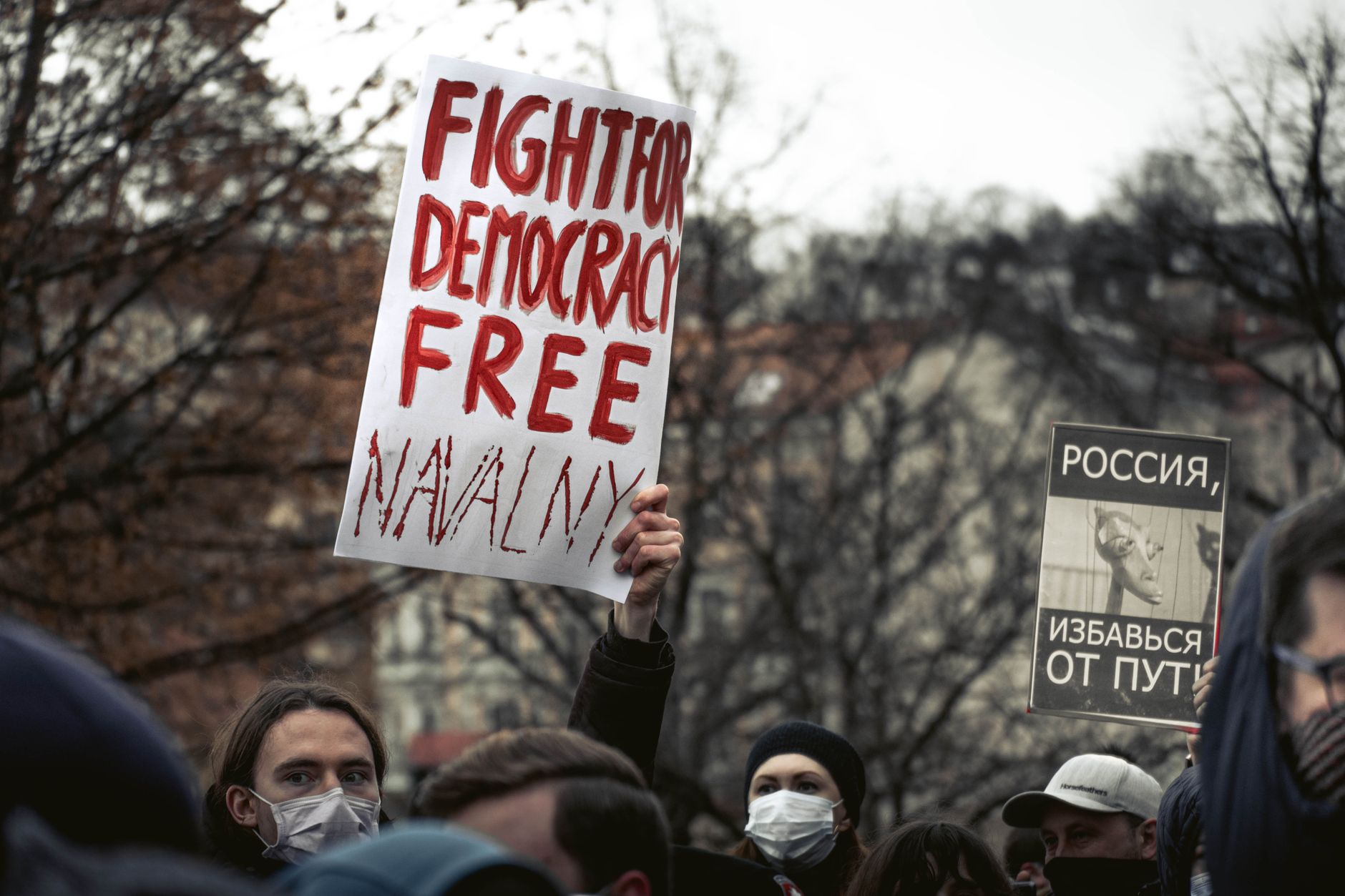
Prime Minister Narendra Modi on Tuesday portrayed India as a “mother of democracy” while the country faced a wave of demonstrations demanding the removal of Chief Election Commissioner Gyanesh Kumar. The remarks were made at a Bloomberg New Economy gathering and came as authorities stepped up a crackdown on activists, opposition figures and members of a viral movement known as the Cockroach Janta Party (CJP).
Background to the voter‑list revisions
According to several local media reports, the Election Commission of India initiated a program called “Special Intensive Revision” (SIR) last year to update voter rolls across the nation. The drive resulted in the deletion of roughly 130 million names from the electoral register. The commission has defended the exercise, saying the removals reflect deaths (28 million), relocations (68 million), duplicate entries (10 million) and voters who could not be traced (30 million). Nonetheless, an investigative report by the Indian Express highlighted discrepancies and alleged that millions of eligible voters were mistakenly erased, prompting calls for the chief election commissioner’s resignation.
In response to the report, the Election Commission launched a special enrollment drive on September 26 to add back those left out. While the commission maintains that it is committed to ensuring no eligible voter is excluded, critics argue that the scale of the deletions raises serious constitutional and legal questions. Milan Vaishnav, director and senior fellow at the Carnegie Endowment for International Peace, warned that the sweeping revisions could undermine confidence in the electoral process.
Protests and government response
Opposition leaders, including Rahul Gandhi, mobilised thousands of participants to march to the Supreme Court in Delhi on Monday. The demonstrators sought to file a petition challenging the revisions to the voter list. Gandhi described the gathering as a unified stand against intimidation, emphasizing that there was “one protest where everybody is standing together.” He dismissed concerns about the absence of CJP members, who had been detained earlier in the weekend.
The CJP, a loosely organised group that gained attention through social media, had planned fresh protests at the Jantar Mantar public square after requesting permission from Delhi police on Monday. The authorities denied the request and later detained key CJP members for protesting without approval. Founder Abhijeet Dipke posted that Delhi was “once again flooded with people standing up to save democracy,” referencing the crowd that assembled for Gandhi’s march.
Over the weekend, Indian security forces intensified their actions in the capital, arresting a range of individuals including young activists, opposition politicians, YouTubers, lawyers and a few journalists. The Delhi police, which operates under the Home Ministry, did not respond to requests for comment.
Expert and international reactions
Analysts cautioned that while the current scale of the protests does not threaten national stability, a heavy‑handed police approach could inflame tensions. Michael Kugelman of the Atlantic Council told CNBC that the demonstrations have not yet affected capital flows or investor sentiment, but warned that “heavy‑handed tactics that generate violence and volatility” could alter that outlook.
Arpit Chaturvedi, South Asia advisor at Teneo, noted that the crackdown on the latest protests is “significant and massive” compared with earlier responses to farmers’ protests or debates over a uniform civil code. He suggested that a broader backlash to police actions could spur further demonstrations.
The United Nations Human Rights Office raised concerns on Saturday about the mass detentions, urging Indian authorities to fully respect the right to peaceful assembly. India’s Ministry of External Affairs rebuffed the UN remarks, calling them “unwarranted” and labeling them as an “unacceptable interference in the internal affairs of India.”
The core demand of the protest movement remains the resignation of Gyanesh Kumar and a revision of the SIR process. While the ruling Bharatiya Janata Party continues to back the Election Commission’s methodology, opposition parties and civil‑society groups argue that the deletions undermine democratic participation.






Be First to Comment