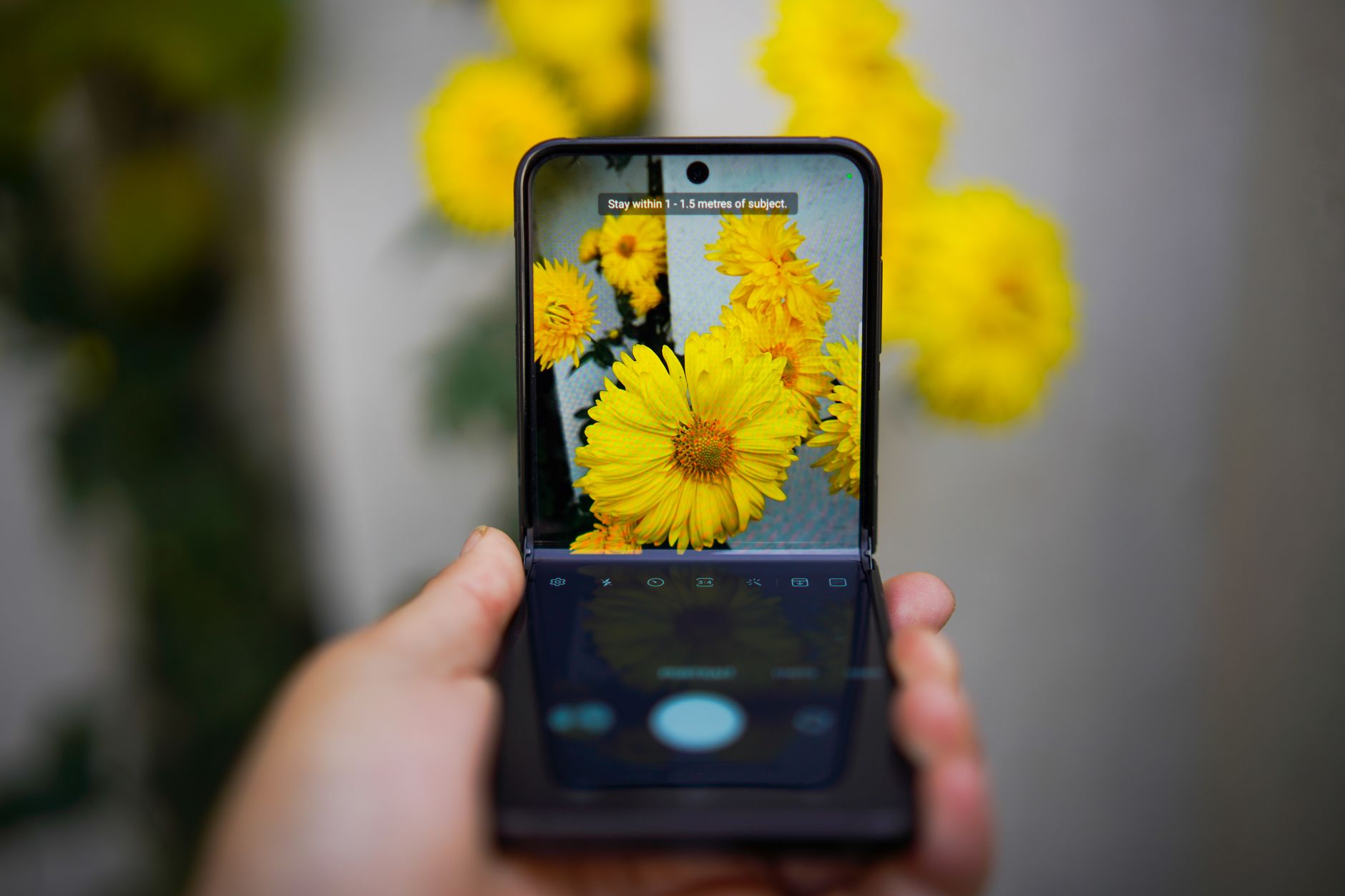
Apple Inc. saw its limited in‑store inventory of the newly released iPhone Duo disappear within hours of the device hitting shelves on Friday, underscoring robust consumer interest in the company’s first foldable smartphone that starts at just under $2,000.
Worldwide launch crowds
The launch reignited the classic image of customers queuing overnight for a new Apple product. In New York City, a line stretched several blocks by 5 a.m., three hours before the store opened its doors. The Fifth Avenue Apple Store was overseen by senior vice president of marketing Greg Joswiak and vice president of retail stores Vanessa Trigub, who greeted the early crowd. In Los Angeles, the local Apple Store ran out of inventory after approximately 6:30 a.m., leaving later arrivals empty‑handed.
Across the Pacific, Singapore saw a few hundred people assemble early, including a family of seven from Myanmar who camped out overnight. At the Apple Store in Beijing’s Sanlitun district, shoppers such as Andy Shen explained that he chose the Duo for its larger opened screen, despite noting that other functions did not yet match earlier iPhone generations.
In Austin, Texas, shoppers at the Domain Northside store were welcomed by the company’s new chief executive officer John Ternus, as reported by CBS. Meanwhile, in Lawrence Township, New Jersey – roughly 40 miles from Philadelphia – both the 256‑gigabyte and 512‑gigabyte configurations sold out within the first half‑hour, leaving only the higher‑capacity 1‑ and 2‑terabyte models available.
Supply constraints and pricing
Apple’s rollout strategy for the Duo diverged from recent years in which the firm, its carriers and retailers have generally kept enough inventory on hand for home delivery or appointment‑based pickups. This time, each U.S. store received roughly 50 to more than 200 units, a deliberately limited allocation that proved insufficient for the demand. The 256‑gigabyte “star white” model, priced at $1,999, proved especially popular.
Pricing for the Duo reaches a record $3,199 for the 2‑terabyte configuration, making it one of the most expensive mainstream smartphones ever sold. The high price point sparked discussion among shoppers, but many in Beijing and Singapore appeared willing to overlook cost in favor of a truly new Apple product after years of incremental updates.
Consumer reactions
Peter Ingram, a chief technology officer visiting from London, praised the device as “the first true innovation Apple have had in years,” noting its lack of a visible crease despite the premium price. Victor Osorio, who purchased a Duo at the New Jersey store with his partner Victoria, said Apple “always does something different and adds extra spice to it,” while expressing cautious optimism about the hinge mechanism. Naveed Abubacker, a regular annual iPhone upgrader, admitted Apple was “late to the gate” on foldable technology but declared he was ready to try it, adding that he would return the phone if it did not meet his expectations.
These personal accounts reflect a broader sentiment that, while foldable phones are not new to the market, Apple’s execution – particularly the hinge and display quality – is being closely scrutinized by early adopters.
Supply chain and delivery outlook
Customers placing new orders through Apple’s website are now being offered delivery dates at the end of January, although a subset of orders have received earlier estimates ranging from November to December. These timelines represent some of the longest post‑launch delivery windows for an Apple product in the modern era.
The Duo’s production is constrained by its advanced hinge and display technology, which are manufactured in a limited number of facilities in China. Apple has previously expanded iPhone production to India, but the foldable’s specialized components remain largely China‑based, contributing to the tight supply.
Market and pricing context
While Apple was not the first to market a foldable phone, the company hopes to differentiate the Duo with a more polished experience aimed at its loyal fan base. Competitors such as Samsung Electronics, Xiaomi and Oppo have also raised prices for their flagship devices, a trend driven in part by global shortages of memory chips and other critical components.
Apple’s iPhone lineup remains the company’s largest revenue generator, accounting for roughly half of total sales. The Duo represents the most significant design departure in the iPhone’s near‑two‑decade history, and its launch appears to echo the early days of the iPhone when demand far outstripped supply.
Apple’s quarterly earnings report scheduled for November 2 will not capture Duo sales, as the reporting period ended in September. The upcoming earnings release will instead reflect early sales of the iPhone 18 Pro and Pro Max models, which debuted on September 18. Bloomberg News has reported that other new Apple products, including an entry‑level iPhone and an updated Air, will not launch until next year, a shift intended to smooth revenue across the calendar year.





Be First to Comment