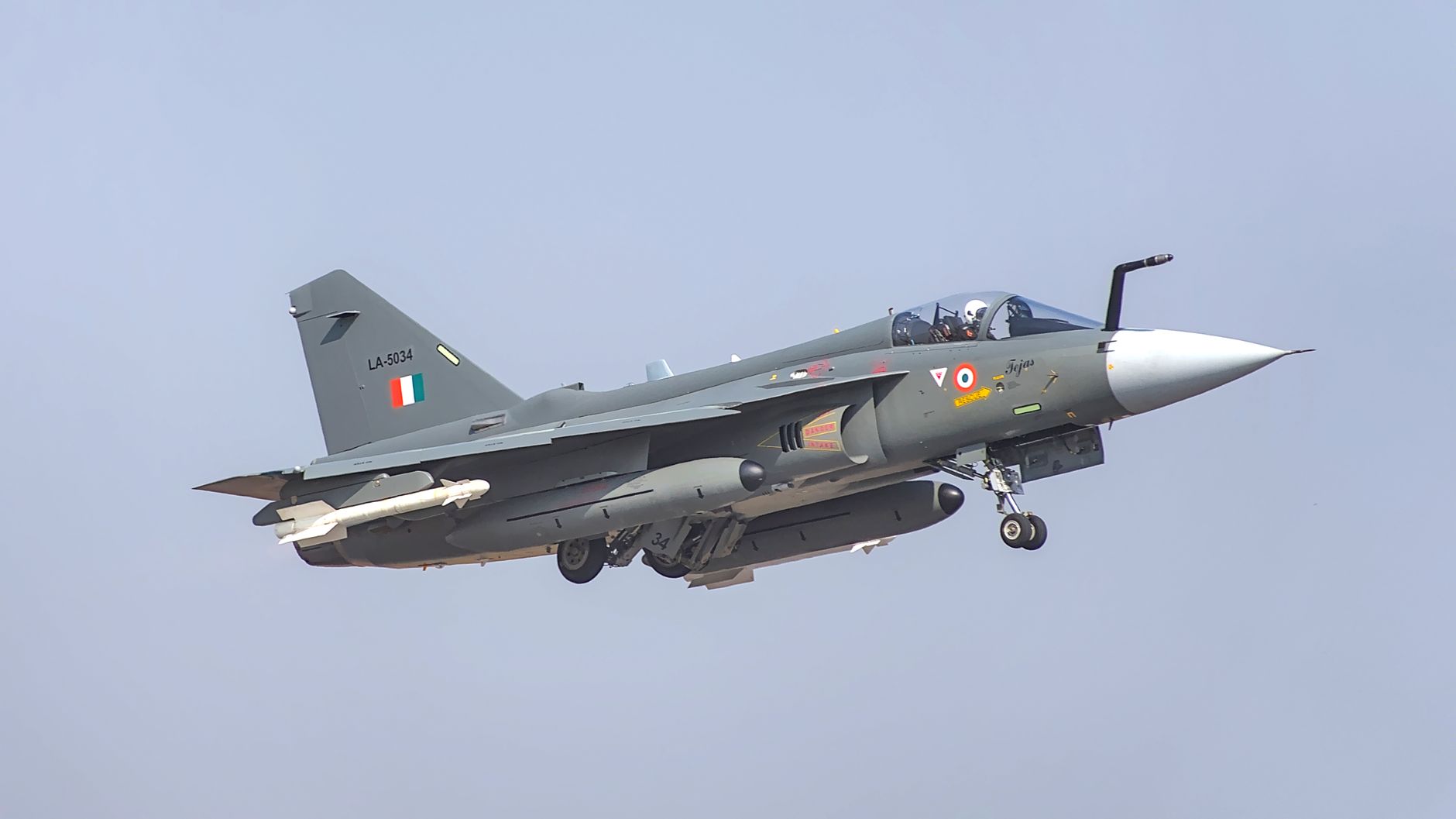
Air Chief Marshal Ashutosh Dixit, the 29th Chief of the Air Staff, used his first public remarks to place the indigenous Tejas light combat aircraft family and the Advanced Medium Combat Aircraft (AMCA) programme at the centre of the Indian Air Force’s modernisation drive. He said the Tejas Mk‑1A, its Mk‑2 derivative and the fifth‑generation AMCA, together with Indian‑made weapons and sensors, constitute the highest priority for the service.
Indigenous Fighter Programme
The Tejas Mk‑1A is now close to induction after missing several earlier deadlines. It will be the first aircraft to enter service under Dixit’s tenure, slated for delivery before the end of the year. The Mk‑1A is intended to replace the IAF’s long‑served MiG‑21 fleet, which was retired last year after more than six decades of operation. Hindustan Aeronautics Limited (HAL) has received two orders totalling 180 Mk‑1A fighters, valued at roughly ₹1.1 lakh crore.
The next step in the domestic fighter roadmap is the Tejas Mk‑2 programme. HAL has completed the structural integration of the airframe, joining the front, centre and rear fuselage sections. The organisation is targeting the first ground run of the prototype in March 2027, with a maiden flight later that year. The IAF is preparing a procurement case for the Mk‑2, which is expected to replace ageing Mirage 2000s, MiG‑29s and Jaguar aircraft.
Parallel to the Mk‑2, the AMCA project aims to deliver a fifth‑generation stealth fighter. Dixit stressed the urgency of accelerating this programme, noting that China has already fielded the J‑20 and is rolling out the J‑35 stealth fighters, thereby raising the regional technological bar.
Combat Strength and Fleet Gaps
Dixit highlighted a critical shortfall in the IAF’s fighter inventory. The service’s sanctioned combat‑squadron strength stands at 42.5 squadrons, but the number of operational squadrons is projected to dip below 30 without timely inductions. To bridge the gap, the IAF is counting on the arrival of the LCA Mk‑1A and an additional 114 Rafale jets. Restoring the fleet to its sanctioned level, he said, will be his “foremost task.”
The chief underscored that every squadron, radar installation and air‑defence unit must be ready to respond at a moment’s notice. He linked combat readiness directly to the speed of indigenisation, arguing that Indian solutions must be fielded in numbers that meet operational demands.
Strategic Vision and Modernisation
Using the acronym VAYU, Dixit outlined his strategic outlook: V for vigilance and readiness, A for atmanirbharta (self‑reliance), Y for yukti (ingenuity) and U for unity of effort. Under the banner of ingenuity, he called for innovation in doctrine, procedures and technology, including networked, AI‑enabled command and control, layered counter‑drone defences, responsive maintenance, force protection and the exploitation of near‑space as an operational domain.
Unity of effort, he said, will see the IAF planning and fighting as a single entity alongside the army, navy and other national agencies, because “air power delivers most when it is integrated from the very first plan.” The chief’s remarks come as India advances the long‑awaited “theatreisation” reforms, designed to integrate the three services for future conflicts.
Dixit also referenced Operation Sindoor, the four‑day confrontation with Pakistan following the Pahalgam terror strike, as an example of how precise and decisive air power can shape outcomes. He warned that the security environment remains demanding, with emerging technologies such as drones, long‑range precision weapons, space and cyber capabilities, and artificial intelligence reshaping warfare.
In summary, the new IAF chief has placed a clear bet on home‑grown combat aircraft to restore the force’s strength, deter conflict and ensure that India’s air power remains credible and self‑sufficient in a rapidly evolving regional landscape.





Be First to Comment