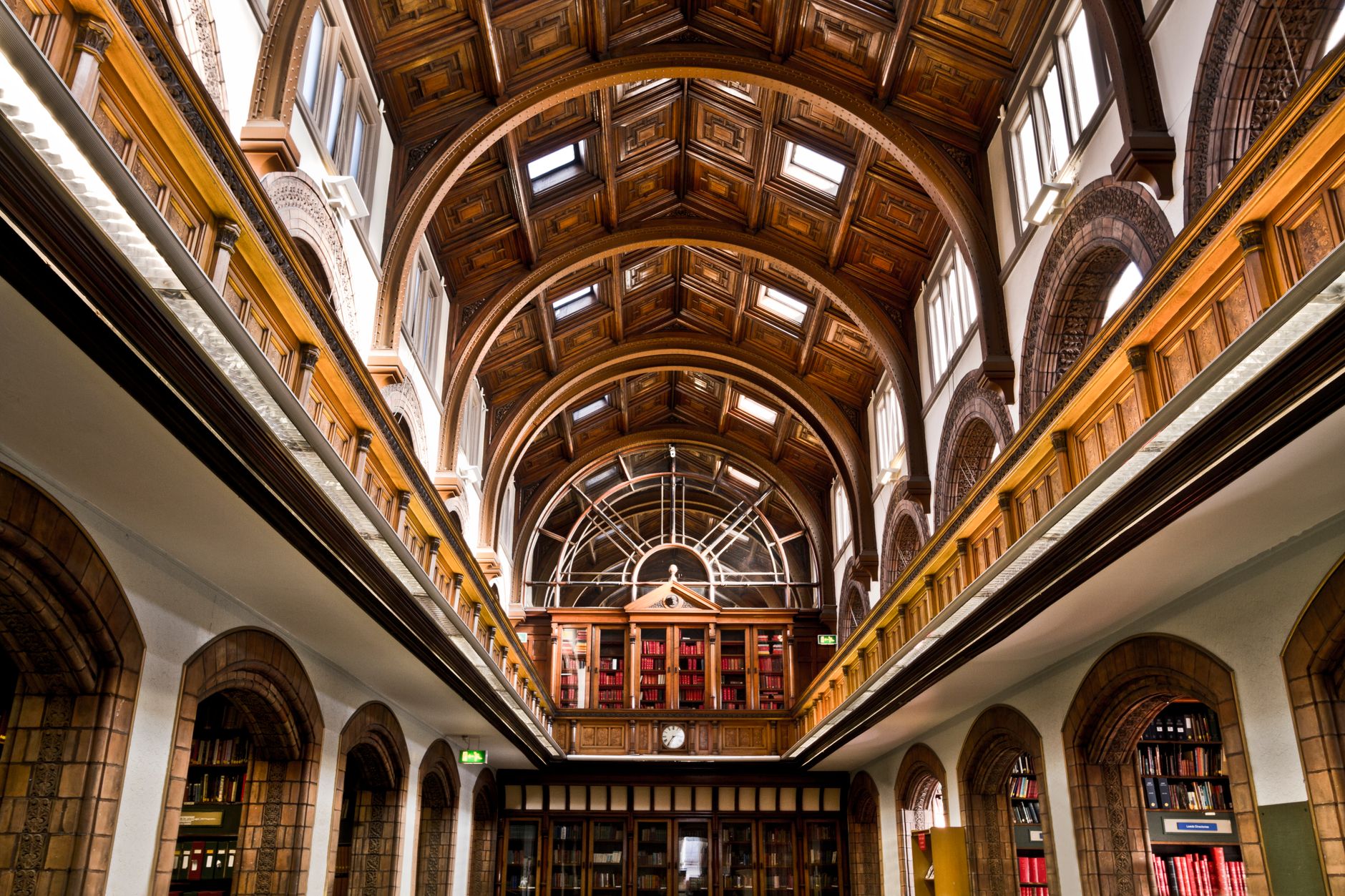
A two‑judge bench of the Supreme Court withdrew from hearing a suo motu petition concerning the proposed relocation of the 135‑year‑old Central Secretariat Library (CSL). Justices PV Sanjay Kumar and Sanjeev Sachdeva said the matter would be referred to the Chief Justice of India (CJI) for allocation to an appropriate bench, citing a recent CJI directive to reassign pending public interest litigation (PIL) cases that fall outside a bench’s roster.
Supreme Court Refers Library Relocation Case to CJI
The bench explained that, although the CJI’s office had been informed when the matter was first taken up, the current judges do not have the roster for the subject. Consequently, they ordered that the case be listed before the CJI on the administrative side for assignment to a bench with jurisdiction. Justice Kumar emphasized procedural compliance, noting, “Let’s follow the procedure. You know what happened recently.” He also hinted that the case could return to the same bench, but until the CJI makes a listing decision, the judges would not proceed.
Justice Kumar further underscored the importance of protecting the library’s collection, stating, “We are way more concerned about these books,” and recalling a 2009 fire that destroyed a High Court library’s holdings. He described the emotional response of then‑Chief Justice Anil Ramesh Dave, who “had tears in his eyes” as the books burned.
The Solicitor General, Tushar Mehta, told the Court that the government had no objection to the referral and reiterated its commitment to cooperate. He said, “My earlier statement continues. I had a word with the amicus. All of us will sit together along with the officers. We will find a way out.” Mehta also confirmed that the Centre’s earlier assurance—that the books would not be shifted before the hearing on November 20—remains in force.
Background of the Central Secretariat Library
The CSL, originally established as the Imperial Secretariat Library in Calcutta in 1891, was moved to Delhi and has been housed in Shastri Bhawan since 1969. Operating under the Union Ministry of Culture, the library holds more than 8.5 lakh volumes, including rare books, government publications, official records and gazetteers. Its location in Shastri Bhawan is now threatened by the Central Vista redevelopment project, which plans to demolish the building.
Following the demolition plan, the Culture Ministry requested approximately 5,466 square metres of space in the redeveloped Central Secretariat to accommodate the library’s collection and facilities. The Directorate of Estates, part of the Ministry of Housing and Urban Affairs (MoHUA), counter‑proposed only two rooms—about 300 square metres—in Kartavya Bhawan‑2. In February, the Culture Ministry informed MoHUA that the offered space was insufficient for the library’s complete holdings and that a full relocation to the proposed area was not feasible.
The issue entered the Supreme Court’s agenda after The Indian Express published a report raising concerns about the relocation and the lack of adequate arrangements at the new site. Retired judges also flagged the matter, prompting the Court to take suo motu cognisance. On November 16, the Court recorded the Centre’s statement that the books would not be moved before the hearing scheduled for November 20, and it admonished the government to “show some respect for the books.”
Government Positions and Judicial Concerns
The government’s stance, as articulated by Solicitor General Mehta, is that it will continue to cooperate with the Court and that the earlier undertaking—no relocation before further developments—remains valid. The Ministry of Culture’s objection to the 300‑square‑metre allocation underscores a broader tension between heritage preservation and the Central Vista master plan, which aims to modernise the administrative heart of the capital.
Justice Kumar’s remarks highlighted the judiciary’s sensitivity to potential loss of cultural assets. By referencing the 2009 Hyderabad High Court library fire, he drew a parallel to the possible irreversible damage to India’s documentary heritage if the relocation is mishandled. His comment, “Let me tell you, when we had a fire in the Hyderabad High Court in 2009… All those books burned down in that fire,” served as a cautionary note to the authorities.
The bench also made an indirect reference to the recent withdrawal of several cases from a bench headed by Justice Ahsanuddin Amanullah, noting that those cases were pulled after the bench expanded the issues involved. This procedural backdrop reinforces the Court’s current emphasis on adhering to roster allocations and proper case listing.
With the matter now sent to the CJI, the next steps will involve the Chief Justice assigning the dispute to a bench equipped to handle matters of heritage, administrative law, and public policy. Observers note that the outcome could set a precedent for how heritage institutions are treated in large‑scale urban redevelopment schemes.
Until the CJI’s decision, the Supreme Court has instructed parties to “stay your hands,” effectively pausing any further action on the library’s relocation. The referral marks a procedural pause but also signals the Court’s continued concern for safeguarding India’s historical collections amid rapid infrastructural change.






Be First to Comment