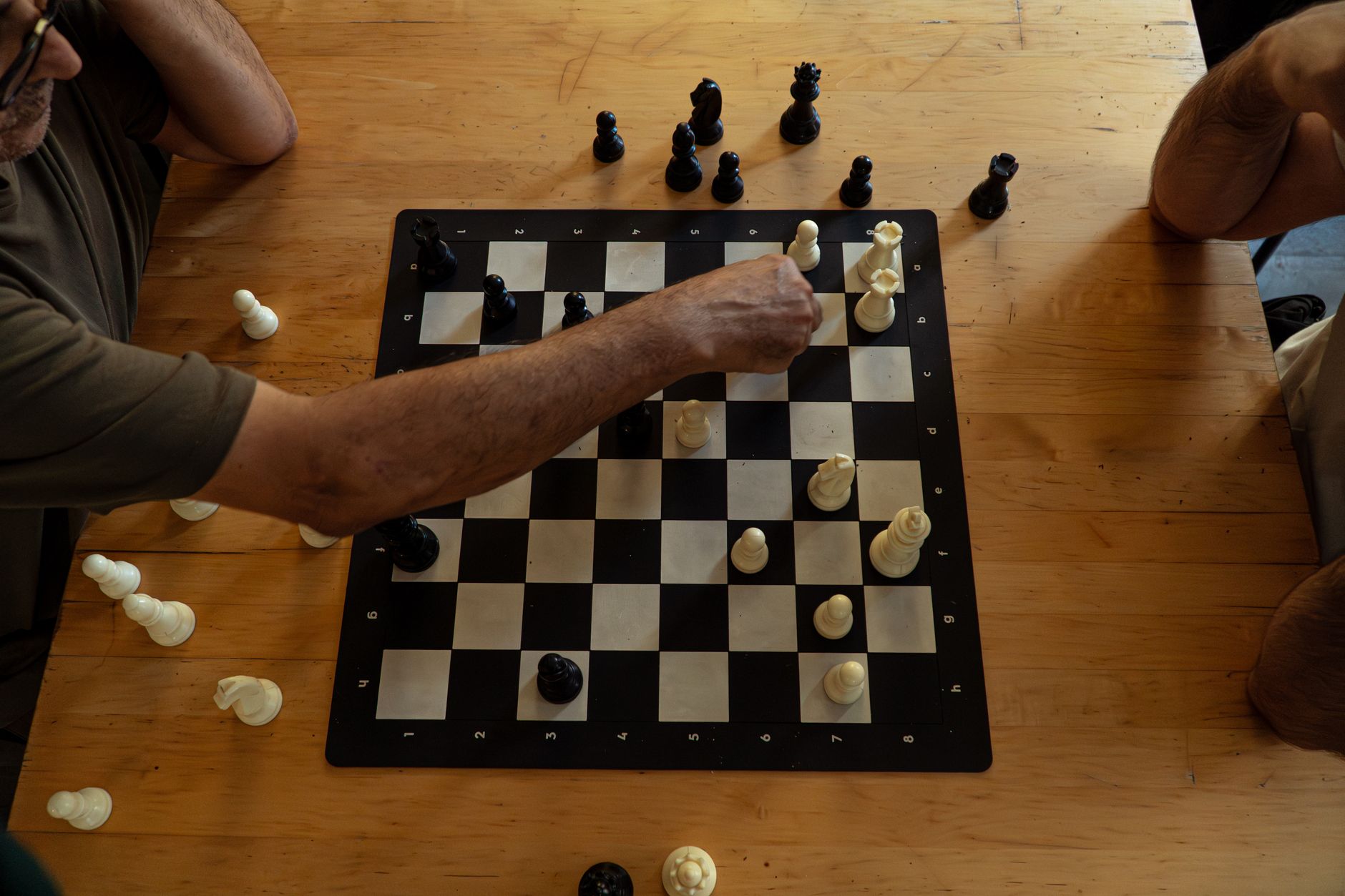
Norwegian chess promoters who run the Norway Chess series attempted to launch a new competition called the Total Chess World Championship, a hybrid tournament that combines blitz, rapid and semi‑classical games. While the concept was approved by the International Chess Federation (FIDE) and promised qualification for the Candidates Tournament, the inaugural pilot has been met with widespread criticism from players, commentators and fans.
How the format works – and why it raises eyebrows
The Total Chess series is built around three distinct time controls played on the same day. Participants first compete in blitz games, then rapid games, and finally a semi‑classical round with a base time of 45 minutes instead of the traditional 90 minutes used in classical events. Points from each segment are combined using a formula that assigns different weightings to the various formats.
Organizers argued that the mixed‑time approach would create a more exciting product and offer a single pathway to the Candidates Tournament. The top two finishers in the series are indeed slated to qualify for that next stage, mirroring the earlier FIDE Grand Prix system.
However, critics point out that the chess world already hosts separate world championships for classical, rapid and blitz disciplines. Adding a blended event appears redundant, and the reduction of classical time to 45 minutes fundamentally changes the nature of the games. Players have expressed that the shorter control does not allow for the deep calculation traditionally associated with classical chess, effectively turning those games into a different discipline.
Scheduling, rating and logistical concerns
The tournament calendar is already densely packed with elite events. Introducing a three‑tournament series featuring 24 top players, followed by a final with the top four, creates additional scheduling pressure. Participants risk missing other high‑profile invitations, and the series is likely to clash with existing tournaments.
FIDE has previously experimented with semi‑classical time controls that count toward classical Elo ratings. The Total Chess organizers intend to launch a separate “Total Chess rating” alongside the established classical, rapid and blitz ratings. Detractors argue that the proliferation of rating lists is unnecessary and may dilute the meaning of existing Elo numbers.
Beyond the rating debate, the regulations governing the series are described as overly complicated. Traditional chess scoring is straightforward: a win yields one point, a draw half a point, and a loss none. By contrast, the Total Chess scoring system requires an understanding of multiple semesters of tournament theory, according to observers who have studied the published rulebook.
Player behavior and unsporting incidents
Perhaps the most striking controversy emerged during the pilot event when World No. 1 Magnus Carlsen, often described as the guiding spirit behind the format, chose not to appear for a semi‑classical game against Kazakh prodigy Bibisara Assaubayeva. Carlsen entered the match with a substantial lead from the blitz and rapid portions, making the final game mathematically irrelevant to his overall standing.
Rather than playing a token move or agreeing to a quick draw, Carlsen simply forfeited the semi‑classical round. Critics labeled the action unsporting, noting that such a withdrawal would be unthinkable in other competitive sports. The decision was reportedly motivated by concerns over his classical Elo rating; a loss or draw in the 45‑minute game could have jeopardized his position above 2800 and his long‑held world‑number‑one status.
Following Carlsen’s example, several other grandmasters also sat out long‑time‑control games later in the event. The pattern suggests that top players may prioritize rating protection over the integrity of the new format.
In a subsequent round, Carlsen again skipped rapid games against Russian GM Daniil Artemiev, explaining that he wanted to conserve energy for the decisive semi‑classical match, which carried eight points. The rationale underscores the strategic calculus introduced by the mixed‑time scoring system, but it also fuels the perception that the format encourages selective participation.
Future prospects and possible revisions
Organizers acknowledge that the pilot tournament was a test case. The series exposed “holes” in the regulations, logistical overload for elite players, and a scoring system that many deem opaque. Some observers suggest that the entire concept may be a “total write‑off,” while others hope that the feedback will guide a redesign that preserves the intended excitement without compromising competitive fairness.
FIDE’s earlier experience with the Grand Prix series, which also suffered from dwindling interest after a few events, offers a cautionary tale. In that case, the federation eventually abandoned the format after reserve players were needed to fill fields, diminishing the series’ credibility.
Whether the Total Chess World Championship can be salvaged remains uncertain. The pilot has demonstrated that merging three distinct time controls into a single day creates physical fatigue for participants, complicates rating considerations, and opens the door to strategic forfeits. Until the organizers address these structural flaws, the chess community is likely to remain skeptical about the viability of a “total” world championship.






Be First to Comment