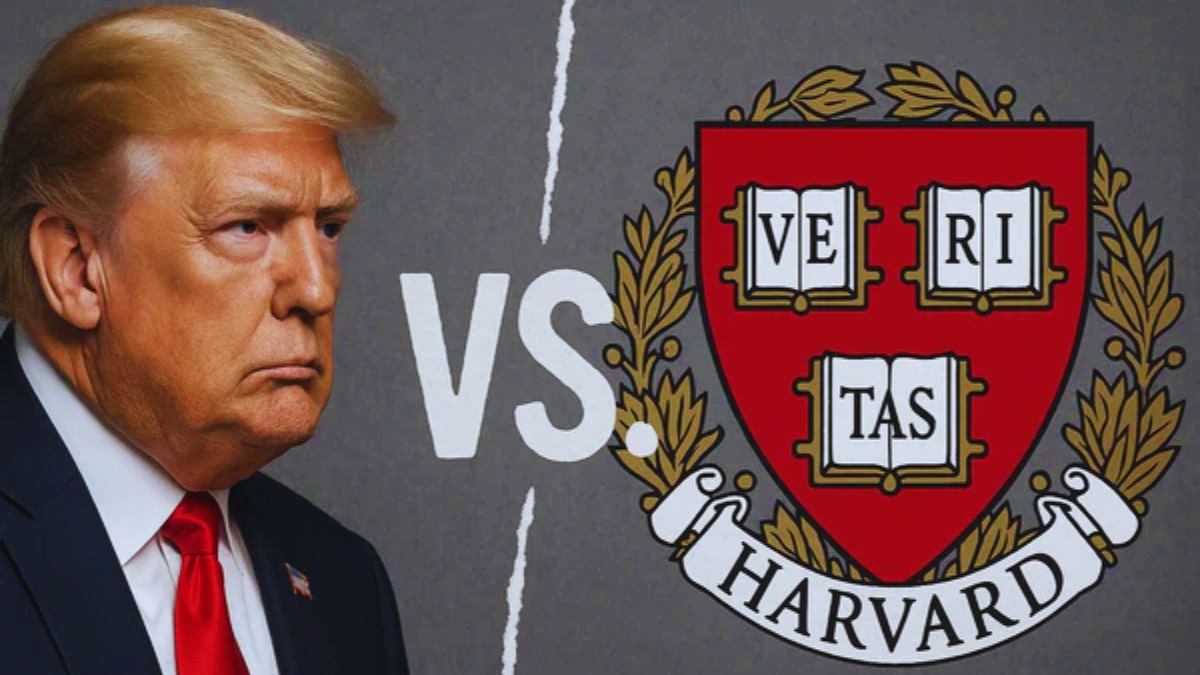
It’s often said any publicity is good publicity, and while two of the most powerful brands in the world certainly have enough of it, looks like they have found new reasons to be at loggerheads with each other. These magnetic brands signify United States President Donald Trump and arguably the most prestigious educational institution across the globe, Harvard University.
Days ago, Trump and his republican administration stirred up a major controversy by revoking Harvard University’s authority to enrol international students. This decision came amidst concerns over ‘antisemitism’ and alleged ties to foreign entities; with swift legal action being taken by Harvard management and widespread criticism from several reputed academic communities.
This fiasco has sent major shockwaves in the international circuit, with lives of thousands of foreign students hanging through a perilous thread. On May 22, the Department of Homeland Security (DHS) announced the termination of Harvard’s current certification under the Student and Exchange Visitor Program (SEVP). This move has now barred the university from enrolling any new international students, which is approximately 6,800 foreign aspirants.
The cancellation of admission procedure by DHS was made on grounds of alleged failure by Harvard University’s management to comply with reporting requirements and address the antisemitic incidents on campus. Concerns were also raised about the university’s reported connections to Chinese military-linked institutions.
For the uninitiated, ‘antisemitism’ in simplified terms is any kind of prejudice, discrimination, or hostility prevalent towards Jews, often expressed through actions, words, or stereotypes. The administration also demanded that Harvard provide detailed records of foreign students involved in campus protests, particularly those related to pro-Palestinian activities. The initial notice stated that any failure to comply within 72 hours of issuing the legal mandate would result in the loss of SEVP certification, further escalating tensions between the university and the federal government, which was the eventual outcome.
Harvard’s Response
In response, Harvard’s management filed a lawsuit in the U.S. District Court in Boston, arguing that the revocation imposed was a retaliatory act which infringed upon the university’s First Amendment rights and academic independence. The university emphasized that international students are an integral part of its community and have a significant contribution to Harvard’s ecosystem and cultural diversity.
Harvard had stated that the government’s actions would have some serious impact on both the institution and its students. The lawsuit also highlighted the broader implications of the administration’s viewpoint, suggesting that such measures could dampen future applications and damage the reputation of U.S. higher education institutions globally. This lawsuit against the incumbent Trump administration seeks to revoke the ban on enrolment of international students. The lawsuit states the ban is a ‘blatant violation’ of the First Amendment Act.
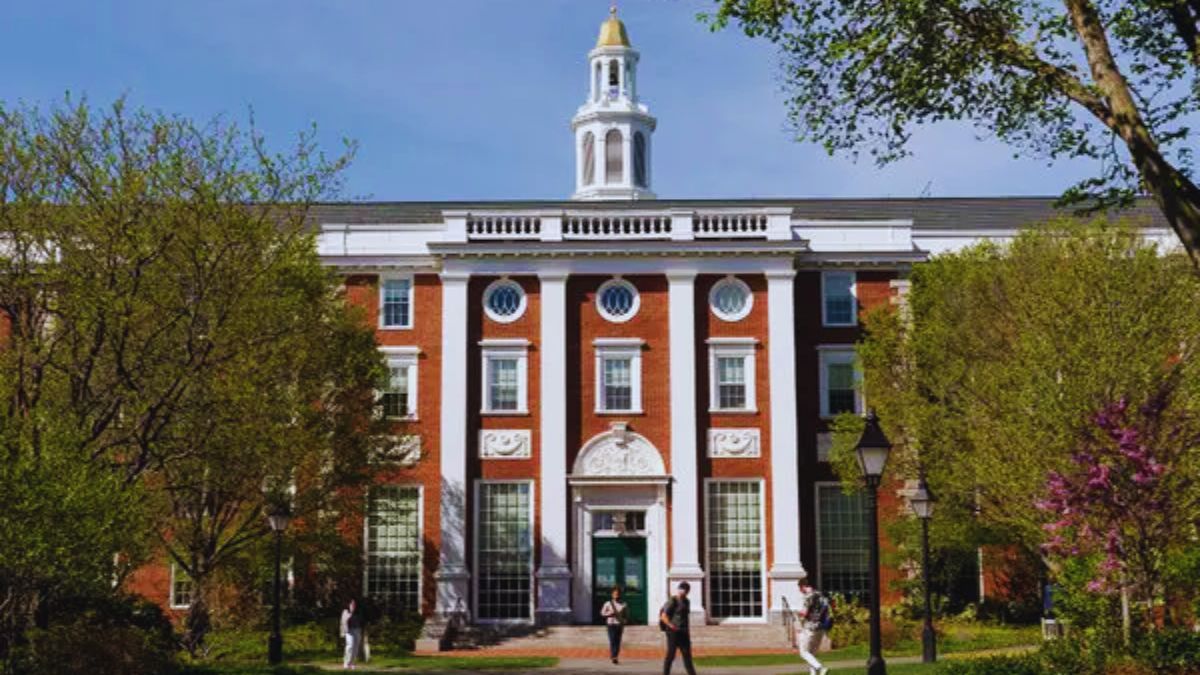
On May 23, however, U.S. District Judge Allison Burrough issued a temporary restraining order to halt the enforcement of DHS’s decision. The judge acknowledged the potential harm to thousands of international students and the university’s operations, emphasizing the need for a detailed legal review before such a major step is undertaken. This judicial intervention provided temporary relief to affected students, allowing them to maintain their visa status while the legal battle gets sorted. However, the uncertainty surrounding the situation prompted many to reconsider their academic plans in the United States.
Donald Trump’s administration drew heavy criticism from international communities, particularly China, which has a substantial number of students pursuing varied courses at Harvard. Chinese officials condemned the move and strongly expressed its disappointment that could possibly damage the credibility of U.S. institutions.
Within the academic sphere, the decision was viewed as part of a broader campaign by the Trump administration to exert control over higher education. Critics argued that targeting universities for their perceived ideological leanings threatens academic freedom and sets a dangerous precedent for government’s over-involvement.
Financial Challenge
While Harvard boasts a significant endowment of US $53.2 billion, the ban on enrolling international students and suspension of designated federal grant of $2.6 billion will led to challenges. International students contribute notably to tuition revenue and the loss of federal grants could impact the research initiatives and academic programs.
The situation sheds light on the financial interdependence between universities and the federal government, and how political decisions can have far-reaching consequences on educational institutions.
Road Ahead in Future
This incident has garnered huge attention on the aggressive approach being taken by POTUS Donald Trump and his administration to modify higher education policies and establish clear guidelines on issues pertaining to United States’ governance, curriculum and political ideologies. The intense tussle with Harvard University reflects ongoing tensions between a nation’s federal authority and academic freedom.
As the legal proceedings are underway, a definite outcome is awaited. The case serves as a foundation in the importance of academic freedom, immigration policy and the role of higher education in a global context. Harvard’s management may be in continuous talks, but the lives of numerous deserving candidates is in jeopardy if the legal matter does not come to a conclusion which works for both parties.

Helene Elliott is the Lead Science & Space Reporter at News Raise. She reports on aerospace missions, astrophysics discoveries, quantum research, and environmental technology.