Looks like the United States and its 47th President Donald Trump, along with his entire administration have vowed to make every country their ally, extend cooperation and firm up the economic ties to suit their own interest, as expected. Just days after India and US signed a deal on reducing the trade tariff between two nations, on May 11 it announced future partnerships with India and Pakistan in several financial matters as well.
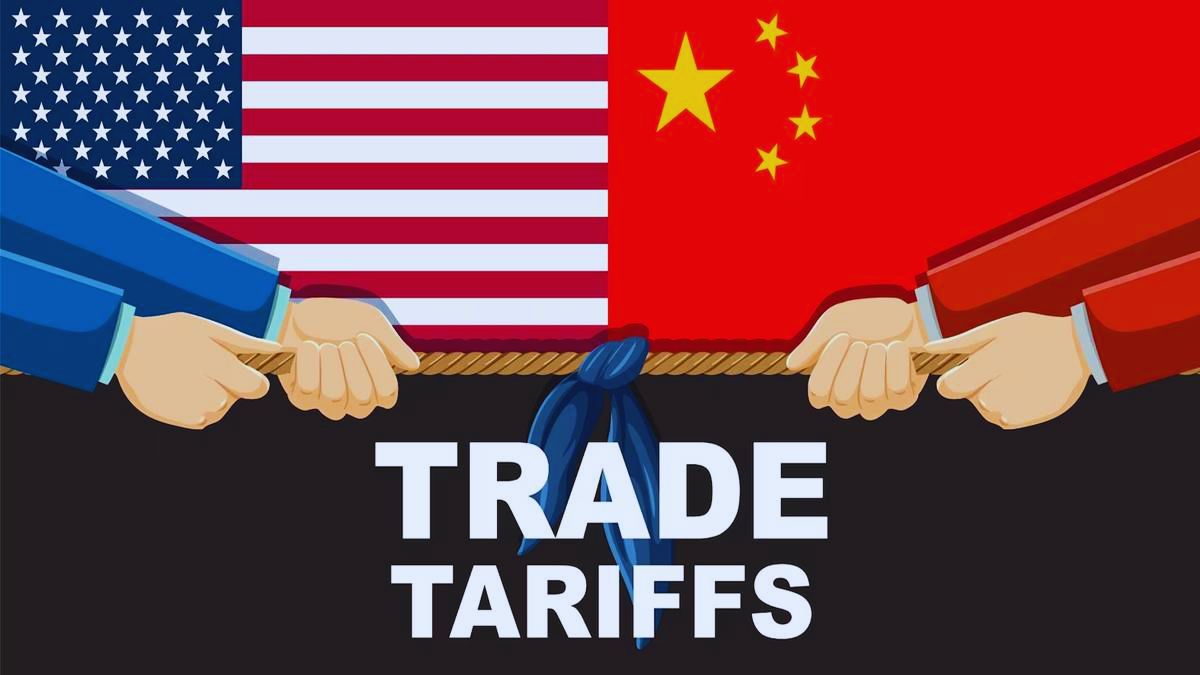
In the latest turn of events, the next country to have entered an agreement with the US government is another powerful force, China. A bilateral trade agreement has been devised between US and China, the world’s largest and second-largest economies, to slash tariffs on each other as they seek to end their trade war. The US treasury secretary Scott Bessent held a press meet and, in his address, informed about the recently formed deal between the two sides to put a 90-day pause on all measures. This confirmation came after extensive talks with Chinese officials were held in Geneva. US trade representative Jamieson Greer said the so-called reciprocal tariffs were now at 10% each. In real terms, it meant the US has decided to reduce its 145% tariff to 30% on Chinese goods. China on the contrary has agreed to reduce its 125% retaliatory tariffs to just 10% on US bound goods. Sector-specific tariffs, such as the 25% tax on cars, aluminum and steel, remain unchanged as earlier. Major retailers had been warning President Donald Trump since quite time of empty racks and stores, as US importers had paused the shipments due to peaking tariff prices. It’s the second major trade announcement made by the US in less than a week, after a deal was secured with the United Kingdom on Thursday. These continual moves indicate a strong willingness from the American side to make deals on tariffs.
This pleasantly surprising news was received positively by Asian stock market on Monday as major indexes shot up. In China, the Shanghai Composite stock index rose by 0.8%, while the Shenzhen Component gained 1.7%, and Hong Kong’s Hang Seng index was up by nearly 3%. In countries across Asia, benchmark stock indexes also rose. Korea’s Kospi grew 1.1%, Japan’s Nikkei was up by 0.8% while India’s Nifty 50 index of most valuable companies gained more than 3%.US stocks look poised to open with an increment, based on after-hours trading. Wall Street’s tech-heavy Nasdaq is expected to see a rise of 3.3%, and the S&P 500 index of companies is expected to be stable and profitable by 2.5%. The credibility of the tariff reduction moves for resolving the underlying friction in the China-US economic relationship will be acutely critical to restore the business confidence in each other.
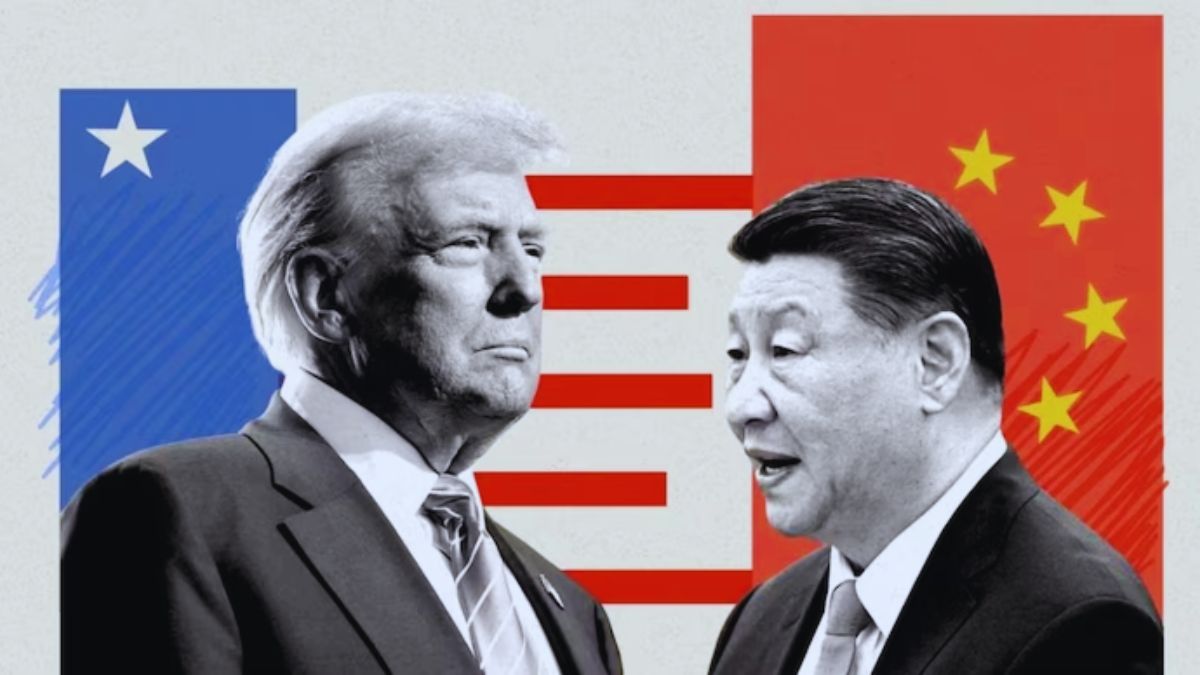
This mutual agreement between the two most sought-after and expansive geographical regions has been accorded to temporarily reduce the punishing tariffs they have imposed on each other until now and defuse the trade war threatening the world’s two largest economies. In a joint statement issued by the representatives of the countries, the suspension of respective tariffs for 90 days would continue with negotiations in the times ahead. The consensus was reached by both delegations, as neither of the sides wanted a conscious decoupling and had similar interests to continue the trade activities as was the case until a while ago. As with the other counties, in matters pertaining to the 90-day pause period, a permanent deal will have to be reached, but as of now, confidence levels across the world have surely been boosted. Businesses across nations now need a clear timetable and roadmap for future negotiations, under the newly announced economic and trade consultation mechanism; as per the dictate given Mr. Andrew Wilson, the deputy secretary general of the International Chamber of Commerce. The Chinese officials have issued a statement expressing their plan ahead to suspend and revoke the countermeasures adopted in retaliation to the escalating tariffs. In early April, the Chinese government had ordered restrictions on the export of some precious metals and critical components used by several industries. The agreement now breaks an impasse that had brought a large portion of trade between China and the United States to a halt. The anticipated trade dispute will have had major impact on global growth, inflation and product shortages, which can now be carefully controlled if the two countries manage to prevent any further trade tariffs related escalations.
Whether this conscious decrease in rates to enhance the trade proportion between the United States and China lead to a long-lasting friendship or turn out to be another calculated business deal is something for the time to tell us.

Helene Elliott is the Lead Science & Space Reporter at News Raise. She reports on aerospace missions, astrophysics discoveries, quantum research, and environmental technology.