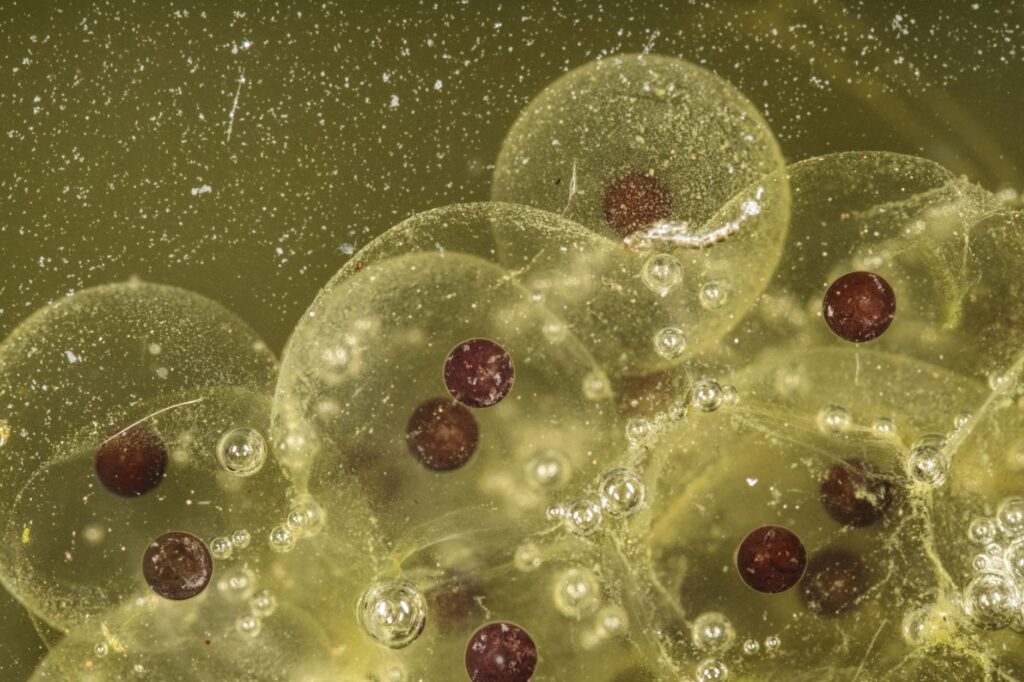
Two independent teams used CRISPR‑based barcode recording to trace millions of cells in a two‑week‑old mouse embryo, revealing detailed lineage maps.
Posts published in “Science”
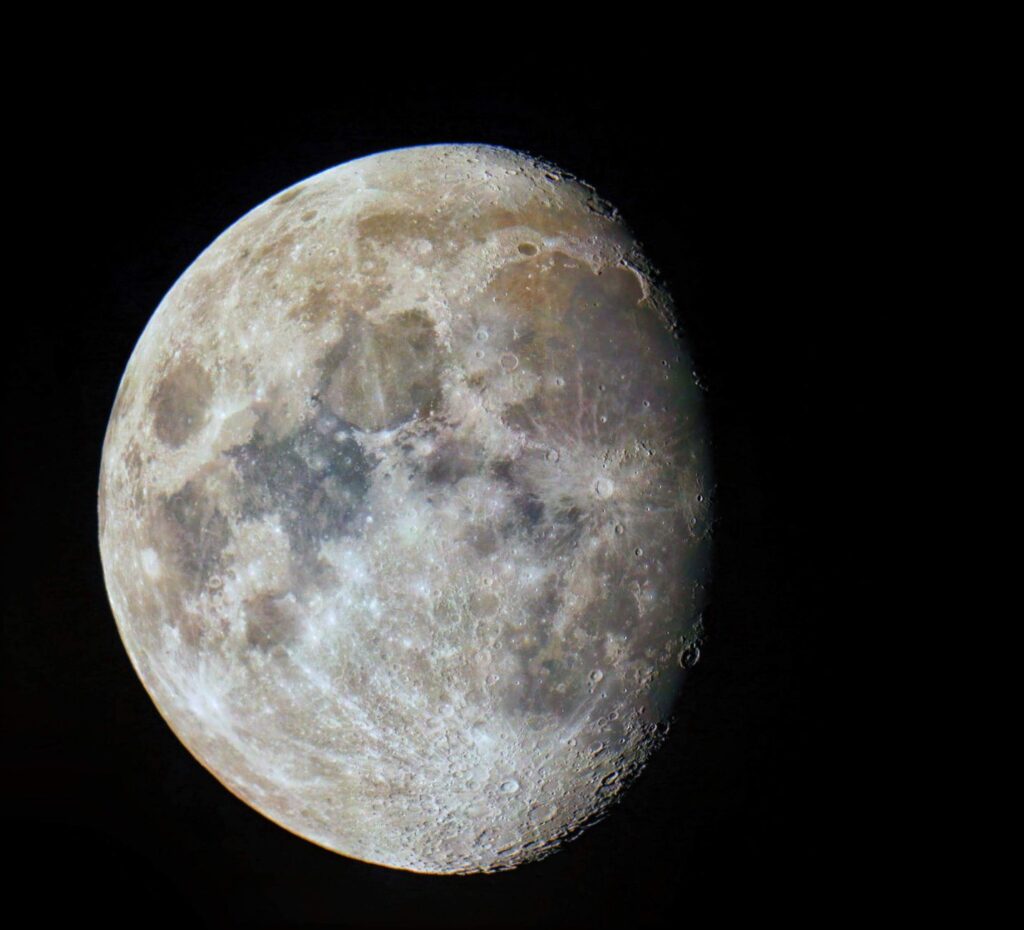
NASA’s Artemis II crew returned 996 images, 814 GB of observations and 521 minutes of audio, documenting impact flashes, a spectrum of lunar colors and the first close look at an illuminated far side.
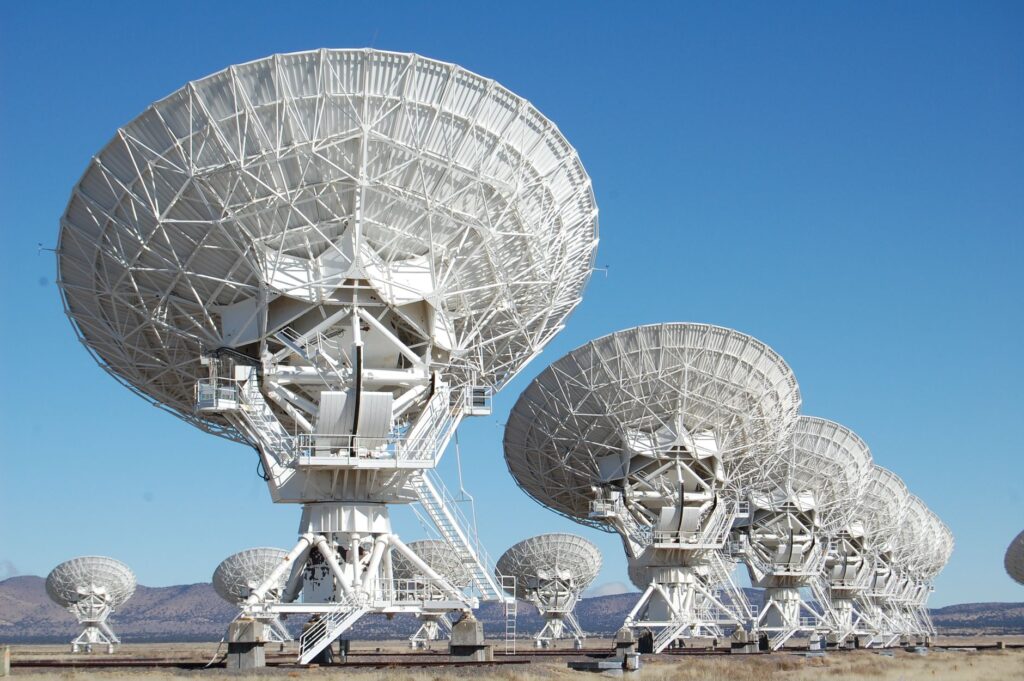
A millisecond radio burst from 10.6 billion years ago has been traced to a tiny, young galaxy, offering new insight into early fast radio bursts and the universe’s magnetic landscape.
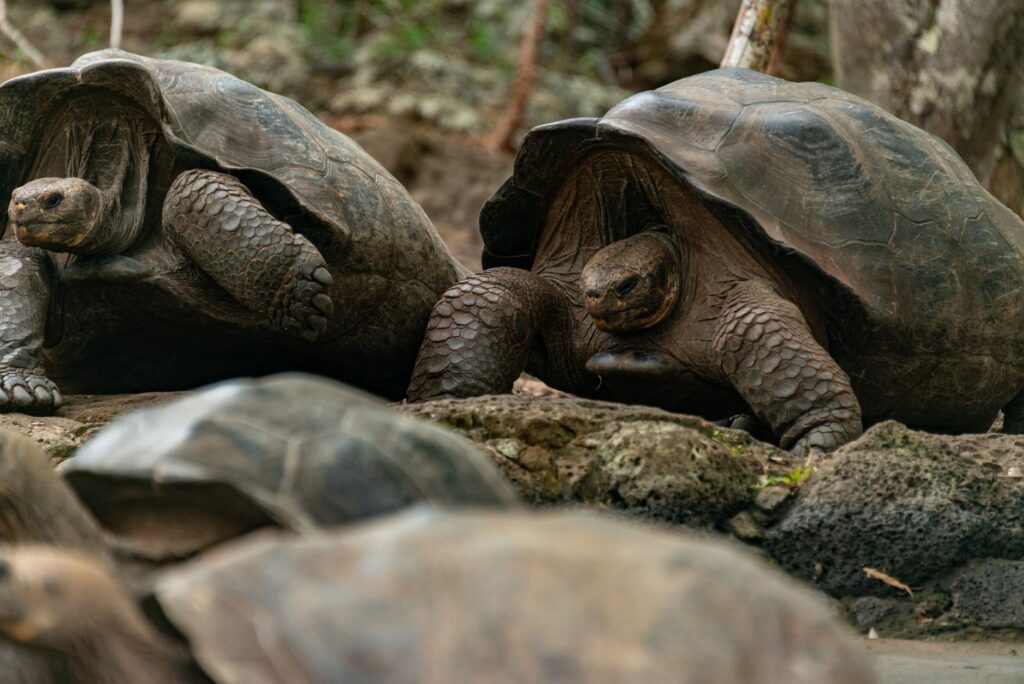
Scientists analyzing the DNA of Jonathan, a 194‑year‑old Aldabra giant tortoise, identified 287 gene variants and a stable epigenome that may underpin his extreme lifespan.
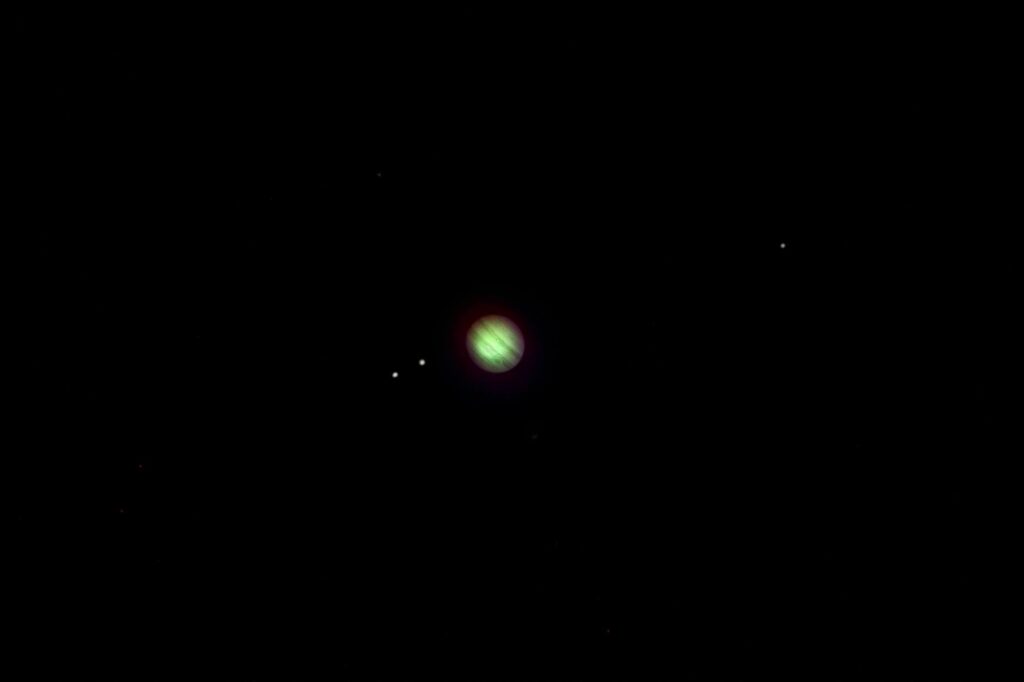
On Oct. 6 the Moon’s thin crescent slipped in front of Jupiter, creating a rare occultation that photographers across North America captured in vivid detail.
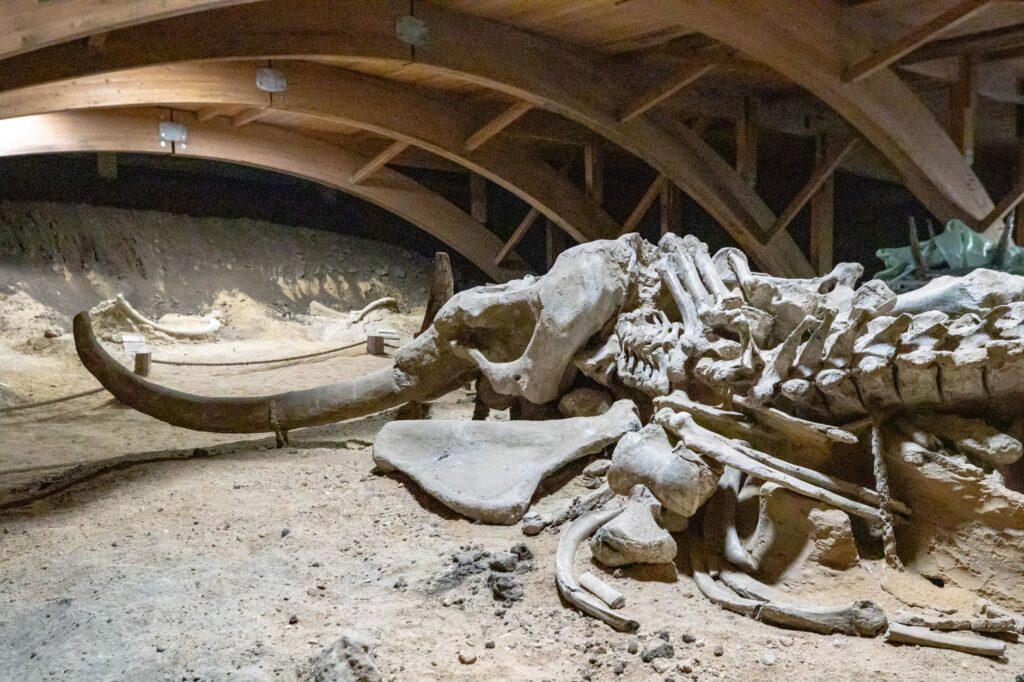
A 165‑million‑year‑old mammal fossil from Inner Mongolia reveals the earliest known evidence of chewing and suckling, key mammalian traits.
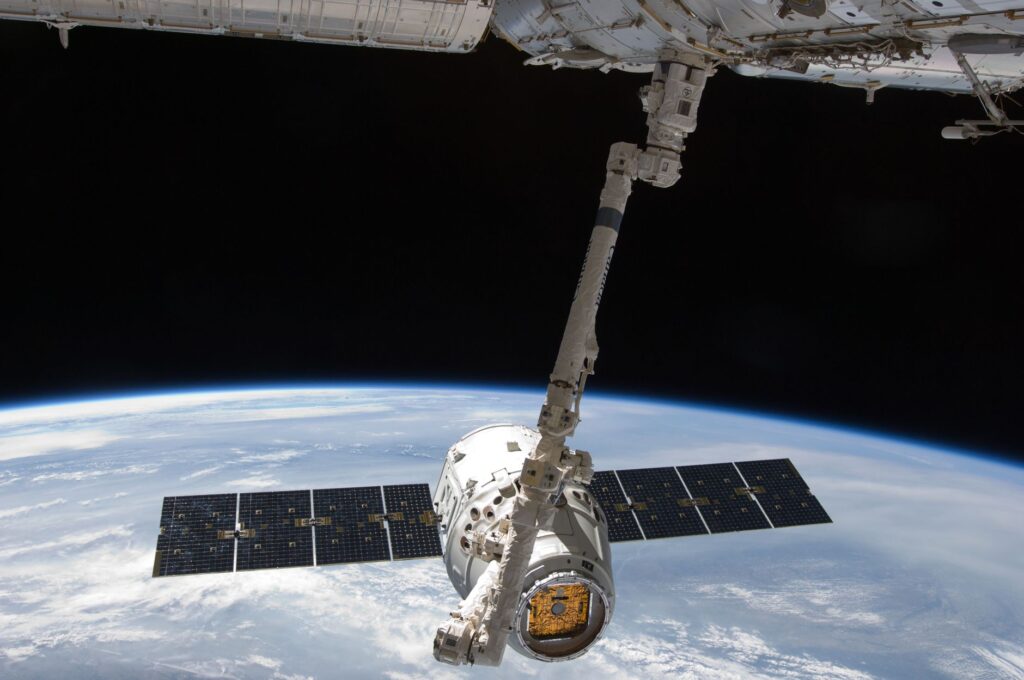
SpaceX’s Crew Dragon Grace reached the International Space Station in 7 hours 55 minutes on Oct. 1, establishing the fastest launch‑to‑docking time for any U.S. spacecraft.
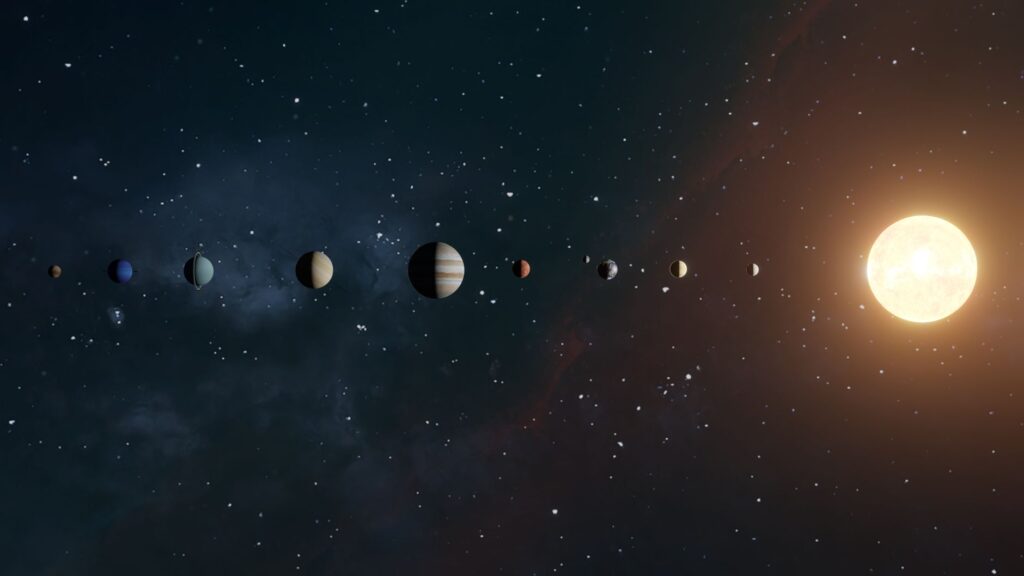
A team of astronomers reports the first candidate for a planet born from the debris of a dead star, orbiting the white dwarf HS 0209+083.
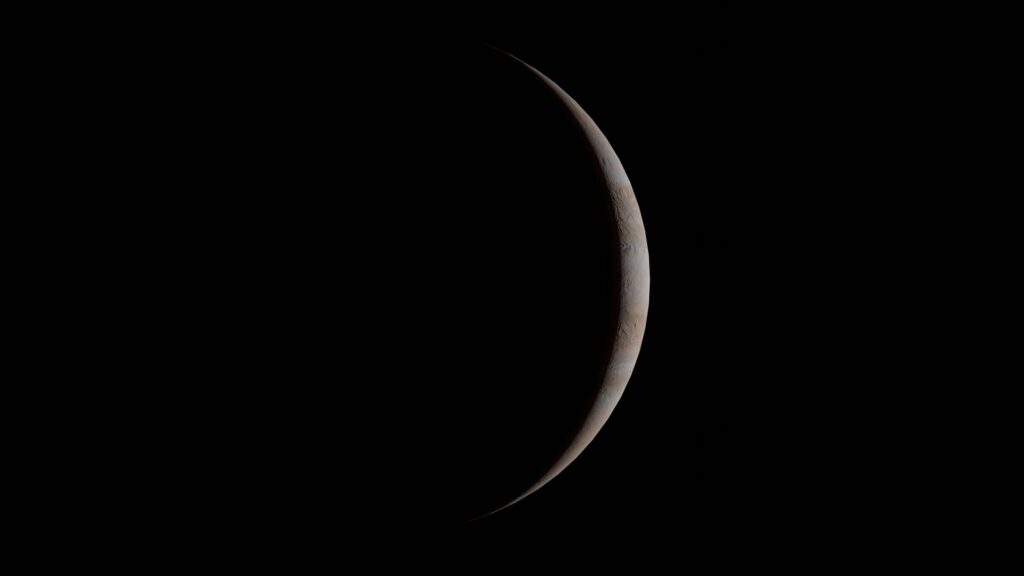
Early on Tuesday, Oct. 6, a waning crescent moon will pass in front of Jupiter, creating a rare lunar occultation visible from eastern North America and parts of Africa.

A team at Oregon State University has created a sulfur‑based metal‑organic framework that splits water into hydrogen using only sunlight, offering a cheaper route to clean fuel.