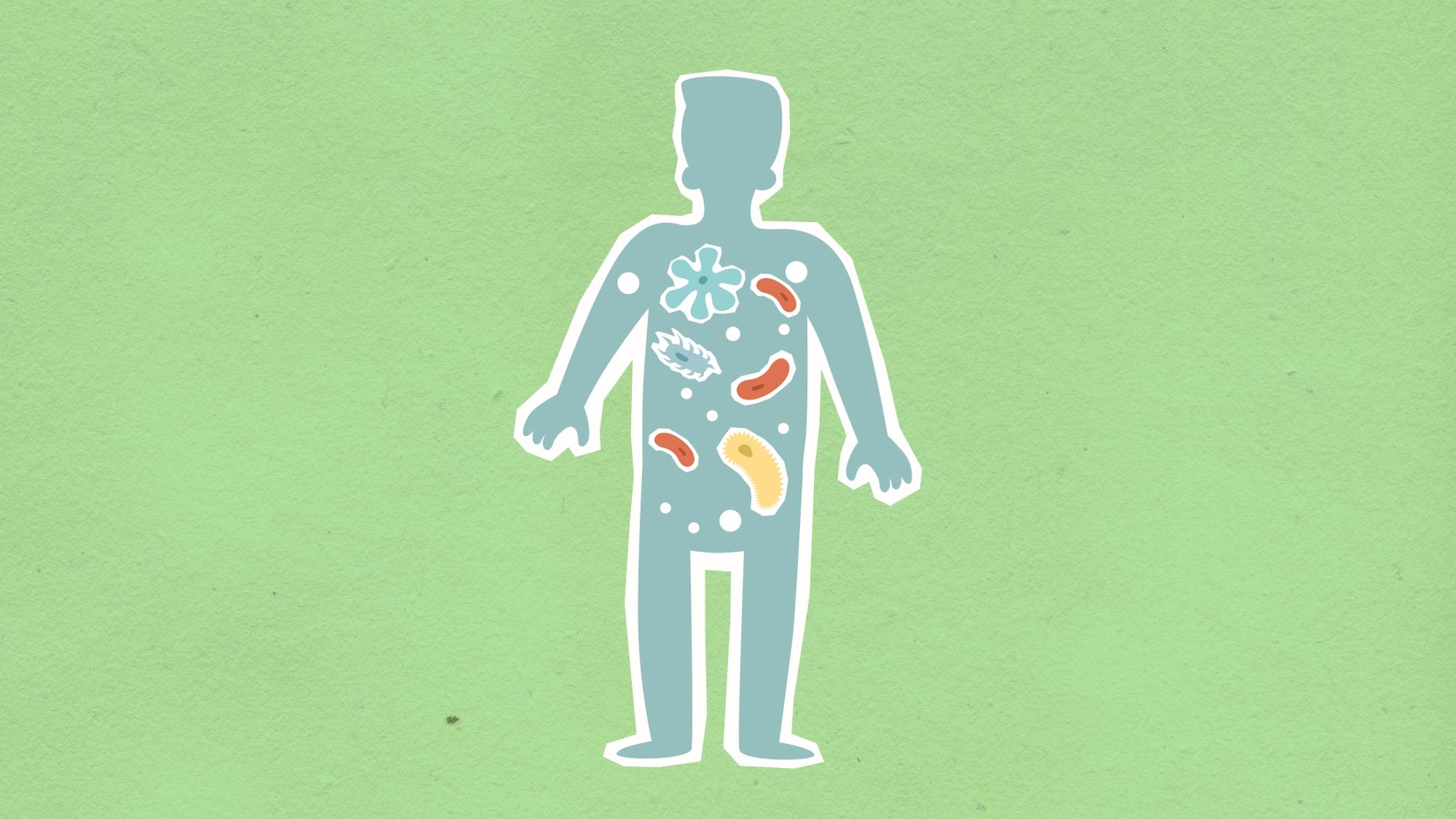
In a recent interview on the “Healthful” podcast, Dr. Laura Cox, an assistant professor at Brigham and Women’s Hospital and Harvard Medical School, detailed how the trillions of microbes residing in the gastrointestinal tract influence long‑term neurological health. She described the gut microbiome as a community of microbial cells that produces vitamins, trains the immune system and helps defend against pathogens, while also modulating brain function through immune and metabolic pathways.
GLP‑1 drugs as a possible early shield against Alzheimer’s
Dr. Cox highlighted growing research on glucagon‑like peptide‑1 (GLP‑1) medications, originally developed for diabetes and obesity. According to her, GLP‑1 agents can act on the gut barrier, altering immune interactions and directly affecting the brain. Because Alzheimer’s disease is often linked to insulin resistance—sometimes called “type 3 diabetes”—the hormone‑like drug may offer protective benefits if administered very early. Cox noted that late‑stage trials have not shown clear effects, suggesting that timing is critical for any disease‑preventing impact.
Gut inflammation and the Parkinson’s pathway
The conversation turned to Parkinson’s disease, where Dr. Cox said the gut microbiome has the strongest evidence of involvement among neurological conditions. She explained that gut inflammation serves as a primary conduit through which microbial changes can influence the brain. Misfolded alpha‑synuclein proteins, the hallmark of Parkinson’s, may originate in the gut and travel upward via the vagus nerve, which links the brain, heart and digestive system. Surgical interruption of the vagus nerve, known as a vagotomy, has been observed to lower Parkinson’s risk. Additionally, patients often display a gut inflammatory signature resembling inflammatory bowel disease, marked by elevated proteins such as lipocalin and calprotectin. Cox emphasized that both genetic predisposition and environmental exposures—including gut‑related toxicants—contribute to disease risk.
Maternal microbiome, breast‑milk hormones and infant sleep
Beyond disease, Dr. Cox described how a mother’s microbiome adapts during pregnancy to mirror that of the developing baby, increasing bacteria such as Lactobacillus and Bifidobacterium. Breast‑milk composition, she said, can shift in response to the infant’s needs. Recent studies indicate that milk produced in the morning contains higher cortisol levels—supporting alertness—while night‑time milk is richer in melatonin, the hormone that promotes sleep. Cox suggested that mothers who pump could separate the two milks to help regulate their baby’s sleep patterns.
Vitamin B also emerged as a key nutrient, with Dr. Cox noting its role in tuning immune responses and supporting brain health. She explained that sequencing a person’s gut microbiome can reveal whether the community is producing adequate B‑vitamins or if a deficiency exists, opening the door to personalized dietary or probiotic interventions.
Overall, Dr. Cox’s insights underscore a growing consensus that gut health is intertwined with neurological outcomes. While therapeutic applications such as GLP‑1 drugs or microbiome‑targeted diets remain under investigation, the emerging evidence points to the gut as a promising arena for early detection and prevention of brain disorders.

Mitchell Landsberg is a Senior Technology Correspondent at News Raise. He covers consumer electronics, artificial intelligence, software developments, and digital privacy trends.