A brain tumor, in simplified terms is known as an abnormal mass of tissue in the brain where cells grow and multiply uncontrollably. This growth may be cancerous (malignant) or non-cancerous (benign) in nature.
Recognizing these signs early and acting on them can mean the difference between delayed care and proactive, effective treatment. As with many serious conditions, timing can change everything.
Headaches are among the most common reasons patients seek neuro-related advice, often linked to familiar causes such as tension, less hydration, or posture-related stress. Yet when the nature of the headache shifts—becoming more frequent, more intense, or occurring with other neurological signs—it should be taken seriously. Although the majority of headaches are harmless, a few may be the first sign of a more serious condition, including brain tumors. Spotting these early indicators and seeking timely medical assessment can make a significant difference in how the illness is treated and the outcomes that follow.
As per doctors and medical experts, tumor-related headaches typically differ from routine types. They are likely to be intense in the morning, made worse by bending or coughing, and not respond correctly to standard painkillers.
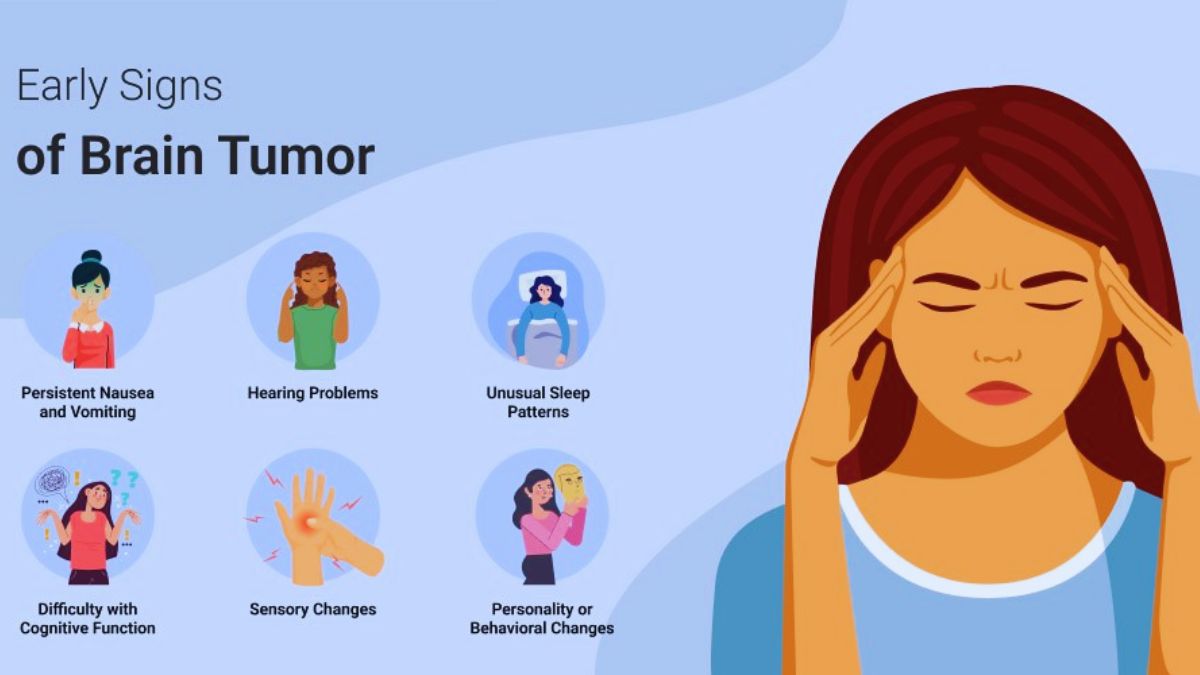
- A headache that gets worse over time, especially if it’s accompanied by nausea or vomiting that has nothing to do with digestion, may be a sign of increased pressure brought on by an expanding mass.
- A dull, ongoing ache that doesn’t go away with rest is another common sign that is observed in patients.
It is important to pay attention to these symptoms, especially if they coexist with other neurological abnormalities.
In today’s times, the medical procedures have advanced significantly and as a result, MRI imaging can frequently identify abnormalities before they manifest clinically so that the necessary treatment can be commenced earlier and reduce the impact of the disease.
Cognitive Changes
Tumors in the frontal brain area can lead to subtle personality shifts, memory lapses, or changes in decision-making – wherein these signs often get categorized or mistaken for stress or age -related condition.
The family members must actively look for out symptoms, signs, changes in behaviour and take note. If left unrecognized, these changes may delay diagnosis until the tumor grows, and more pronounced symptoms appear.
Sensory & Coordination Challenges
- If a tumor affects any area of the brain that is linked to speech or comprehension ability- it may lead to difficulty in understanding a language.
- Vision may also be affected, as patients may experience blurring, double vision, or loss of eyesight over time.
- In some cases, fine motor tasks become harder to perform, may cause instability and or clumsiness over time and make matters worse if proper diagnosis isn’t carried out.
- Some other warning signs that are indicative of a potential tumor can be unnecessary fatigue, hormonal imbalances, or persistent vomiting without an indigestion or food poisoning case.
While not all brain tumors are malignant in nature, timely detection matters and helps to minimize the risk of it becoming incurable. Early identification improves the chances of less invasive treatment and better recovery. Today with precision and advanced procedures, radiotherapy, neurosurgery, drug treatments can be tailored to your condition stage, and this makes it both safer and more effective.
The key is to stay aware, looks for symptoms and signs actively that make you feel uneasy. It is rightly said that ‘prevention is better than cure’ – the importance of listening to your body cannot be emphasized enough.

Helene Elliott is the Lead Science & Space Reporter at News Raise. She reports on aerospace missions, astrophysics discoveries, quantum research, and environmental technology.