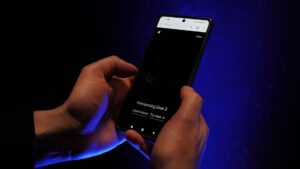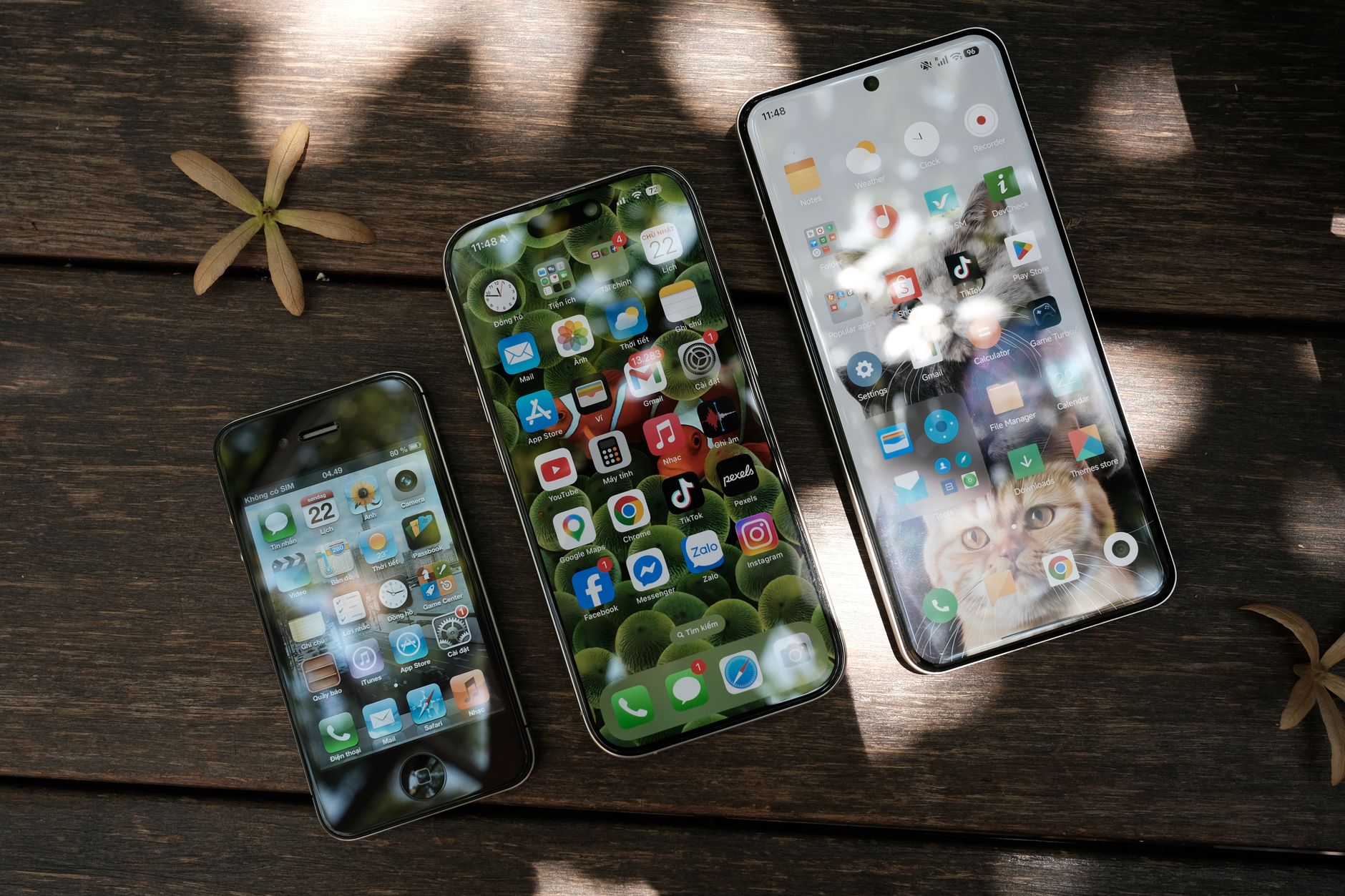
The Google Pixel 11 debuted this week, prompting immediate side‑by‑side scrutiny against Samsung’s flagship Galaxy S26. Both devices target Android enthusiasts, yet they differ in chipset architecture, battery capacity and software‑driven camera tools. This article breaks down pricing, hardware specifications and imaging capabilities to help prospective buyers gauge which phone aligns with their priorities.
Price and Availability
Both smartphones launch with a base price of $899 for the 256 GB storage variant equipped with 12 GB of RAM. The Pixel 11 is currently only available through pre‑order, meaning shoppers must wait for the device to reach retail shelves. By contrast, the Galaxy S26 has been on the market for several months, offering immediate purchase options and the possibility of discounted pricing for those seeking a quick upgrade.
Consumers who are willing to wait for the Pixel 11’s release can expect a price point comparable to the Galaxy S26 once the former becomes widely available. Those prioritising immediate ownership may find better short‑term deals on Samsung’s model.
Performance and Core Specifications
Under the hood, the Pixel 11 is powered by Google’s custom Tensor G6 chipset, an evolution of the previous Tensor G5. Samsung’s Galaxy S26 relies on Qualcomm’s Snapdragon 8 Elite Gen 5 for Galaxy, a processor tuned specifically for Samsung devices. Independent benchmarks cited in the source indicate the Snapdragon‑based chip outperforms the Tensor G6 in raw CPU speed, gaming performance and battery efficiency.
Both phones share a 6.3‑inch display with a 120 Hz refresh rate. The Pixel 11 uses an OLED panel, while the Galaxy S26 features an AMOLED screen. Dimensionally, the Pixel 11 is marginally taller by 0.1 inches, and it weighs roughly an ounce more than the Galaxy S26, which is described as “nearly a full ounce lighter.” Storage options include 256 GB or 512 GB, and each device ships with 12 GB of RAM.
Battery capacity diverges notably: the Pixel 11 houses a 4,985 mAh unit, whereas the Galaxy S26 contains a 4,300 mAh battery. Despite the larger battery in the Pixel, benchmark data suggest the Galaxy’s more efficient chipset delivers superior overall battery life.
Camera Systems and Video Capabilities
Imaging hardware on both phones consists of a triple‑lens rear array plus a front‑facing selfie sensor. The Pixel 11’s primary camera is a 48 MP wide‑angle shooter, complemented by a 13 MP ultrawide lens and a 10.8 MP telephoto unit. Samsung’s Galaxy S26 offers a slightly higher‑resolution 50 MP wide‑angle lens, a 12 MP ultrawide sensor and a 10 MP telephoto camera. Selfie cameras differ as well, with the Pixel 11 featuring a 10.5 MP sensor and the Galaxy S26 a 12 MP module.
Video recording marks a clear distinction: the Galaxy S26 supports 8K video capture, while the Pixel 11 is limited to 4K. Software‑side, Google highlights “Camera Looks” and “Magic Capture” as proprietary photo‑enhancement tools, whereas Samsung bundles its own “Galaxy AI” suite for on‑the‑fly editing.
Overall, the camera specifications are closely matched, and the practical impact of the modest resolution gaps is likely to be minimal for most users. The decisive factor may hinge on each platform’s software processing and the user’s preference for video resolution.
In summary, the Google Pixel 11 and Samsung Galaxy S26 present parallel price points and core specifications, but diverge in chipset performance, battery capacity and video capabilities. Buyers should weigh the importance of immediate availability, processing power, battery endurance and camera software when deciding between the two Android flagships.

Steve Lopez is a Senior Editorial Columnist and Health & Public Policy reporter for News Raise. Steve focuses on healthcare advancements, medical technologies, and public health policies.