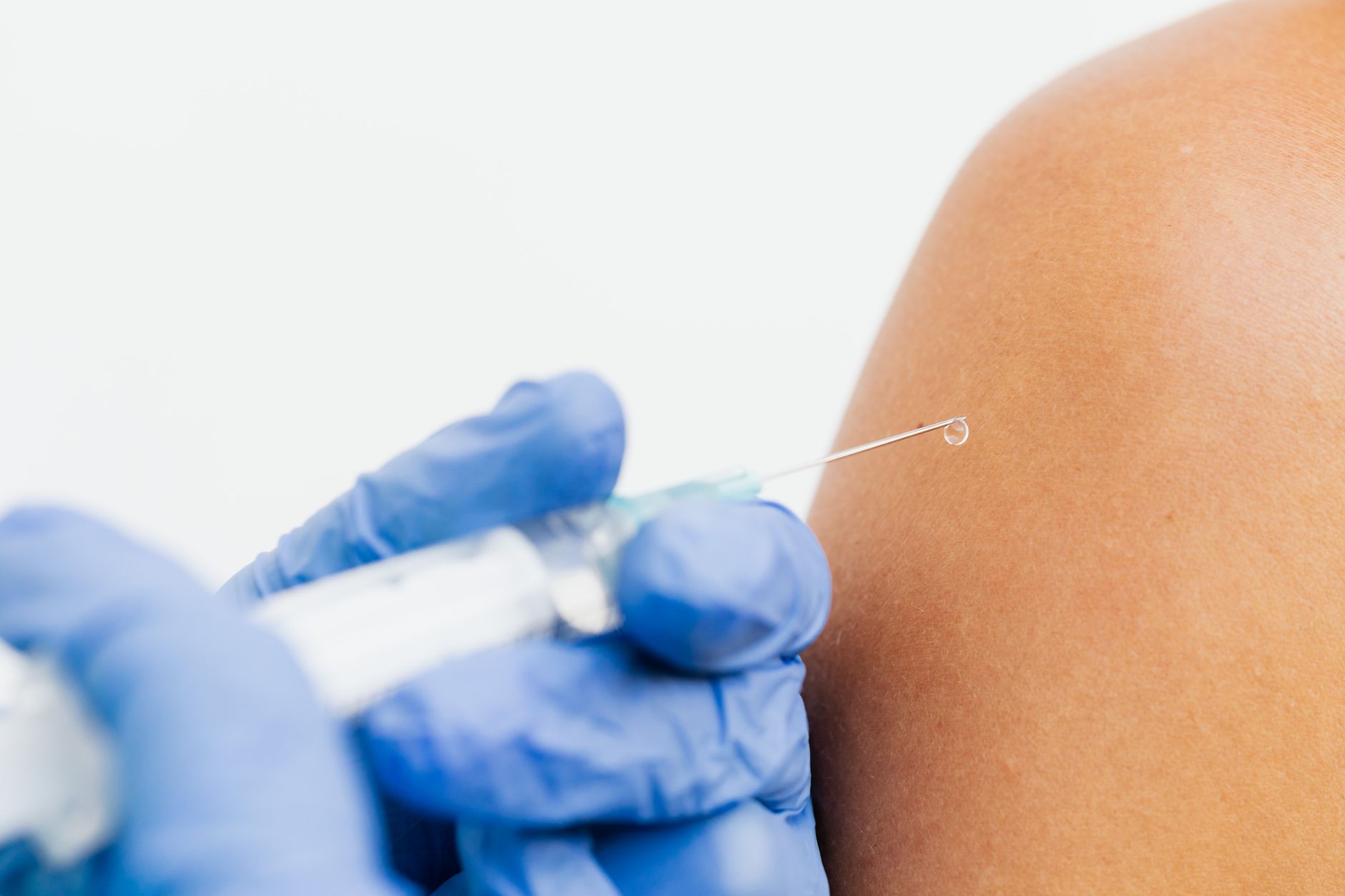
Measles activity has intensified across three U.S. states as the Centers for Disease Control and Prevention (CDC) confirms more than 2,700 cases nationwide in 2026—already exceeding the total reported for the previous year. The surge marks the nation’s worst measles year in over thirty years, with nearly all cases tied to localized outbreaks in Pennsylvania, Wisconsin and Georgia.
Pennsylvania sees largest outbreak and first deaths
Pennsylvania’s Department of Health reported 460 confirmed measles cases as of Aug. 28, including 86 new infections reported in the prior week. Lancaster County remains the epicenter, accounting for 210 of the state’s cases. The outbreak spread to ten counties through community transmission, and Butler and Westmoreland counties each recorded their first confirmed cases.
On Aug. 25, the state announced the nation’s first measles‑associated deaths of 2026, involving a newborn infant and another unvaccinated individual. Health and Human Services Secretary Robert F. Kennedy Jr. questioned whether measles was the direct cause of death, noting that the CDC classifies a death as measles‑associated when laboratory or epidemiological evidence links the infection, even if measles is not listed as the immediate cause.
Wisconsin records biggest surge since 1990
Wisconsin’s health officials identified 98 cases linked to a southwest‑region outbreak, more than doubling the previous week’s total. The cluster comprises 52 cases in Iowa County, 43 in Lafayette County and three in Grant County. Including two unrelated infections reported earlier in the year, Wisconsin’s total of 100 measles cases in 2026 represents the state’s highest annual count since 1990.
The CDC has dispatched two public‑health workers to assist local investigators with contact tracing and case identification. State officials emphasized that nearly every infected person in the outbreak had not received the measles, mumps and rubella (MMR) vaccine.
Georgia’s daycare cluster expands
In Georgia, health authorities confirmed four additional measles cases tied to a metro Atlanta daycare, bringing the state’s 2026 total to 11 cases—the second‑highest annual count in the past decade. The newly infected children were identified as close contacts of an earlier case and were either unvaccinated or not fully vaccinated. Investigators continue to seek additional exposed individuals.
Georgia’s outbreak underscores the risk of transmission in settings where vaccination coverage is incomplete, a pattern echoed across the three states.
Public‑health implications and recommendations
The CDC notes that 94% of measles cases reported in 2026 are associated with outbreaks, illustrating how quickly the virus spreads in communities with lower vaccination rates. Measles is airborne and can linger in a room for up to two hours after an infected person leaves.
Typical symptoms begin with high fever, cough, runny nose and red, watery eyes, followed by a rash that appears three to five days later, starting on the face and spreading outward. Health officials advise anyone who suspects measles infection to contact a healthcare provider before seeking in‑person care, to limit further exposure.
The CDC continues to recommend the MMR vaccine as the most effective protection against measles, urging unvaccinated individuals and those with incomplete vaccination series to receive the shot promptly.

Helene Elliott is the Lead Science & Space Reporter at News Raise. She reports on aerospace missions, astrophysics discoveries, quantum research, and environmental technology.