Congolese health officials announced Monday that the country’s Ebola outbreak has surpassed 6,000 confirmed cases and resulted in 2,911 deaths, making it the fastest‑growing epidemic of its kind on record. More than 1,360 patients have recovered, a development the authorities described as encouraging amid a worsening humanitarian situation.
Outbreak Scale and Impact
The epidemic, centered in eastern Congo, has expanded from an initial three health zones to nearly 60 zones, according to officials. Most infections and fatalities have occurred outside the network of monitored contacts, spreading within communities that are already strained by displacement and insecurity. The World Health Organization warned that the outbreak remains out of control and could exceed the 2014‑2016 West Africa Ebola crisis, which claimed over 11,000 lives.
In the past week, the virus entered two additional health zones, extending the geographic reach of the disease. Displacement sites, where residents live in precarious conditions, are identified as particularly vulnerable to transmission.
Challenges to Containment
Several factors are compounding the spread. Ongoing insecurity, a strike by health workers, and intense population movements have limited the ability of responders to conduct contact tracing and safe burial practices. On Saturday, an Ebola response team was attacked on the outskirts of Mambasa in Ituri province while attempting to secure a body. Armed youths wielding machetes forced the team to retreat, injuring one member. Floribert Magene, a member of the response team, called for greater security to protect personnel in the field.
Because bodies of Ebola victims remain highly contagious, traditional burial customs that involve close contact can accelerate transmission. Congolese authorities have mandated that burial of suspected victims be managed by official teams wherever possible, a policy that sometimes meets resistance from grieving families and friends.
Response Measures and Vaccination Efforts
The outbreak is caused by the Bundibugyo strain of Ebola, a rare variant for which no approved vaccine or treatment currently exists. In response, Congo began vaccinating health and frontline workers with the Ervebo vaccine, which proved effective in previous outbreaks caused by the more common Zaire strain. Clinical trials are underway to develop a licensed vaccine specifically targeting the Bundibugyo virus.
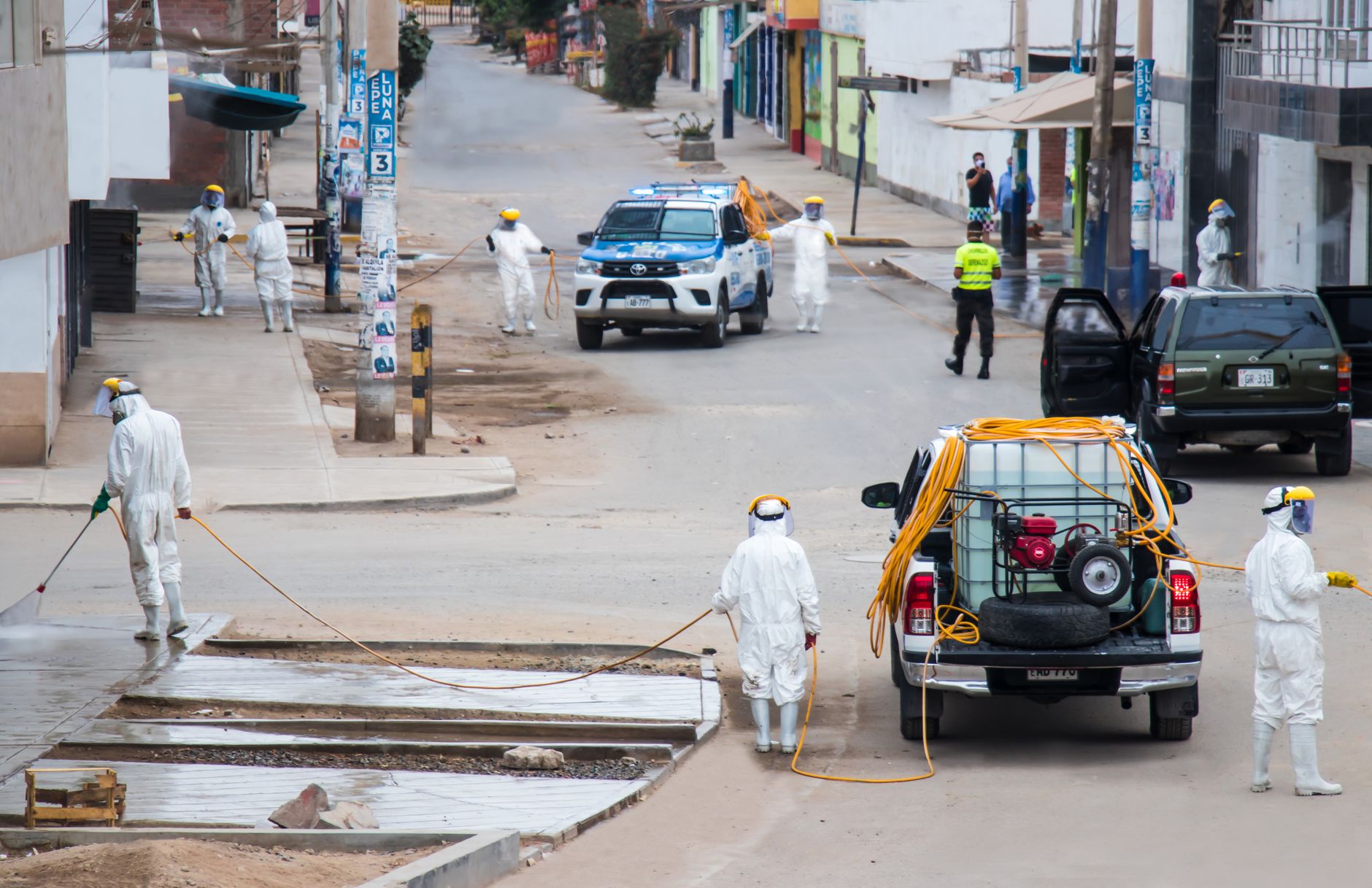
Public health measures introduced include limiting gatherings, promoting social distancing, and closing airports, actions that have disrupted daily life across six provinces, especially in Ituri, a region also affected by rebel violence. The government has installed health and sanitary equipment at selected locations, though advocacy groups argue that additional steps are needed to build trust with affected communities.
Neighboring Uganda declared itself free of Ebola last month, but the World Health Organization cautioned that the risk of cross‑border spread remains. Officials believe the outbreak began spreading as early as February, even though it was formally declared in mid‑May.
As the epidemic continues to evolve, the combination of limited vaccine options, security concerns, and strained health infrastructure underscores the urgency of coordinated international and local efforts to contain the virus and prevent further loss of life.

Steve Lopez is a Senior Editorial Columnist and Health & Public Policy reporter for News Raise. Steve focuses on healthcare advancements, medical technologies, and public health policies.