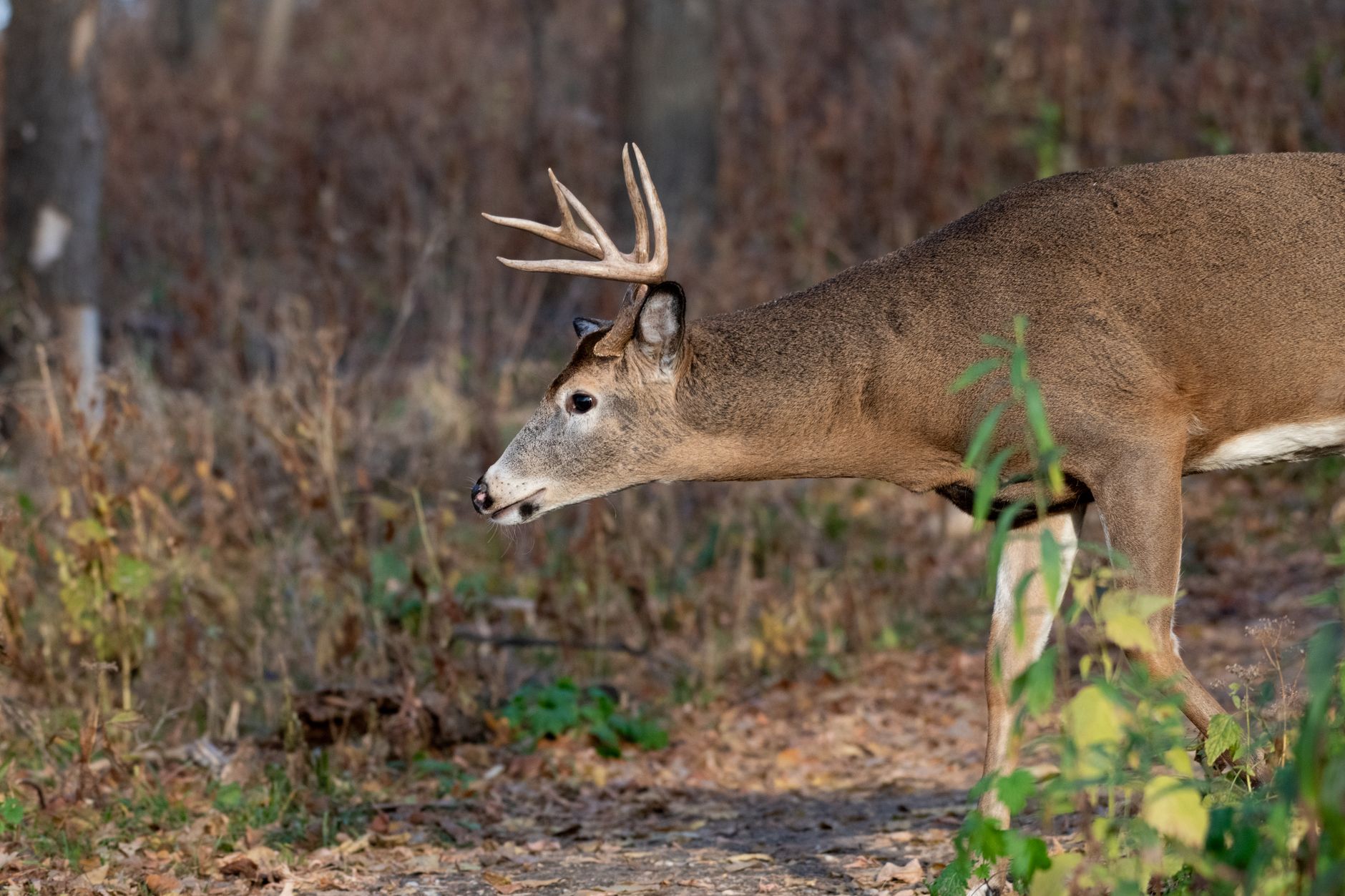
State wildlife officials say an outbreak of epizootic hemorrhagic disease (EHD) has swept through at least three counties in southeastern Wisconsin, resulting in the death of more than 600 white‑tailed deer, according to the Department of Natural Resources (DNR).
Scope of the outbreak
Initial reports of an unusually high number of dead deer surfaced in July, with the earliest clusters centered in Washington County. The DNR collected tissue samples from two deer—one each in Richfield and West Bend—and confirmed the presence of the virus that causes EHD. By mid‑August, the agency had documented roughly 100 dead animals, and the tally rose sharply to over 600 by August 31, extending into Ozaukee and Waukesha counties, DNR deer‑herd health specialist Erin Larson said.
EHD spreads through the bites of tiny midges, insects that are most abundant in late summer and early fall. The disease triggers severe internal bleeding, a high fever and organ damage, often killing an infected deer within three to 36 hours of symptom onset. Affected deer frequently seek out water in an effort to cool their fevered bodies.
Although the virus is less common in Wisconsin than in many southern and western states, Wisconsin records show the disease has been present since at least 2002, with periodic outbreaks—including a 2012 event that killed several hundred deer across eight counties.
Impact on residents and local response
Local residents have felt the impact directly. Dave Strupp, a 62‑year‑old hunter and wildlife enthusiast from the Town of Hartford, reported finding multiple dead deer on his property in August, including near a pond. “We’ve never experienced anything like this and I’m not seeing any deer in our area now, zero,” Strupp told officials on August 31. He noted that his trail cameras no longer capture deer and that fallen apples from his orchard remain untouched, a stark contrast to normal seasons when deer eat every fallen fruit.
Municipal crews have also been stretched thin. In Richfield, public works staff took over carcass removal, picking up about 90 dead deer since the first collection on July 30. The village typically contracts third‑party services for road‑kill, but the sudden surge prompted a shift to in‑house crews that now patrol daily at 1 p.m. to collect carcasses from residential yards. Village administrator Jim Healy reported a flurry of resident calls for removal in late August, with the volume easing by the end of the month, possibly indicating a decline in the outbreak or a reduced deer population.
Understanding EHD and future outlook
Erin Larson emphasized that the virus does not infect humans, even if a person handles an infected carcass, consumes venison from a sick animal, or is bitten by an infected midge. However, she noted that scientific understanding of why EHD spikes in certain locales remains limited.
Deer that survive an infection develop antibodies, which can improve their resilience to future outbreaks. The disease typically wanes when midges die off after the first hard frost—a seasonal event that is still weeks away in southeastern Wisconsin. Until then, officials continue to receive daily reports of dead deer in the three affected counties.
Strupp, concerned about the herd’s recovery, has decided to forego hunting in Washington County this year and will instead travel to western Wisconsin. “After all the dead deer I’ve seen here and now the complete lack of deer activity, I’d rather help the herd recover as fast as possible,” he said.
The DNR encourages the public to report any deer showing clinical signs of EHD or found dead, especially near water sources, via the agency’s online form, email, or a dedicated phone line.

Mitchell Landsberg is a Senior Technology Correspondent at News Raise. He covers consumer electronics, artificial intelligence, software developments, and digital privacy trends.