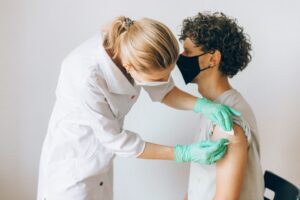
State health officials announced on Sept. 15 that a measles infection has been confirmed in Marathon County, marking the first reported case in that part of Wisconsin. The individual contracted the virus while traveling out of state, and the case is not linked to the ongoing outbreak in southwest Wisconsin that has produced more than 160 cases.
Outbreak context across the state and nation
Wisconsin’s measles numbers are the highest the state has recorded since 1990, according to the Wisconsin Department of Health Services. Apart from the Marathon County case and two unrelated incidents in southern Wisconsin earlier in the year, the majority of cases have been clustered in Iowa, Lafayette and Grant counties. That cluster prompted a team from the U.S. Centers for Disease Control and Prevention (CDC) to assist local health officials. The CDC team has since departed, and the outbreak appears to be waning, with only a few new cases reported in the most recent week.
Nationally, close to 3,300 people have been infected with measles, according to CDC data. Pennsylvania is experiencing a particularly severe wave, with more than 600 confirmed infections and four deaths linked to the disease. Wisconsin’s case counts rank among the highest in the country, trailing only larger outbreaks in Pennsylvania, South Carolina and Utah.
State officials noted that all but one of the individuals who contracted measles in Wisconsin this year were unvaccinated. Five of those patients required hospitalization, underscoring the seriousness of the disease when vaccination protection is absent.
Public health response and exposure risk
Health authorities emphasized that there are currently no known locations in Marathon County where the public may have been exposed to measles unknowingly. Beyond confirming the travel‑related nature of the infection, officials declined to release additional details about the patient.
The department’s communication aligns with standard public‑health practice: when a case is identified, officials assess potential exposure sites and advise the community on steps to take if symptoms develop. In this instance, officials indicated that no such exposure sites have been identified, suggesting a limited risk of further spread from this particular case.
Recognizing measles symptoms
Measles typically begins with a high fever, cough, runny nose and red, watery eyes one to two weeks after exposure. Within a few days, a red rash emerges, first appearing on the face and near the hairline before spreading to the rest of the body. Small white spots may also appear inside the mouth during this early phase.
Health experts advise anyone who suspects they have measles to avoid contact with others and to call a doctor or clinic before visiting in person. Prompt medical attention can help manage symptoms and reduce the risk of transmission.
The Marathon County case serves as a reminder that measles remains a threat in communities where vaccination rates are low. Continued vigilance, vaccination, and rapid public‑health response are essential to prevent further spread as the virus continues to circulate across the United States.

Mitchell Landsberg is a Senior Technology Correspondent at News Raise. He covers consumer electronics, artificial intelligence, software developments, and digital privacy trends.