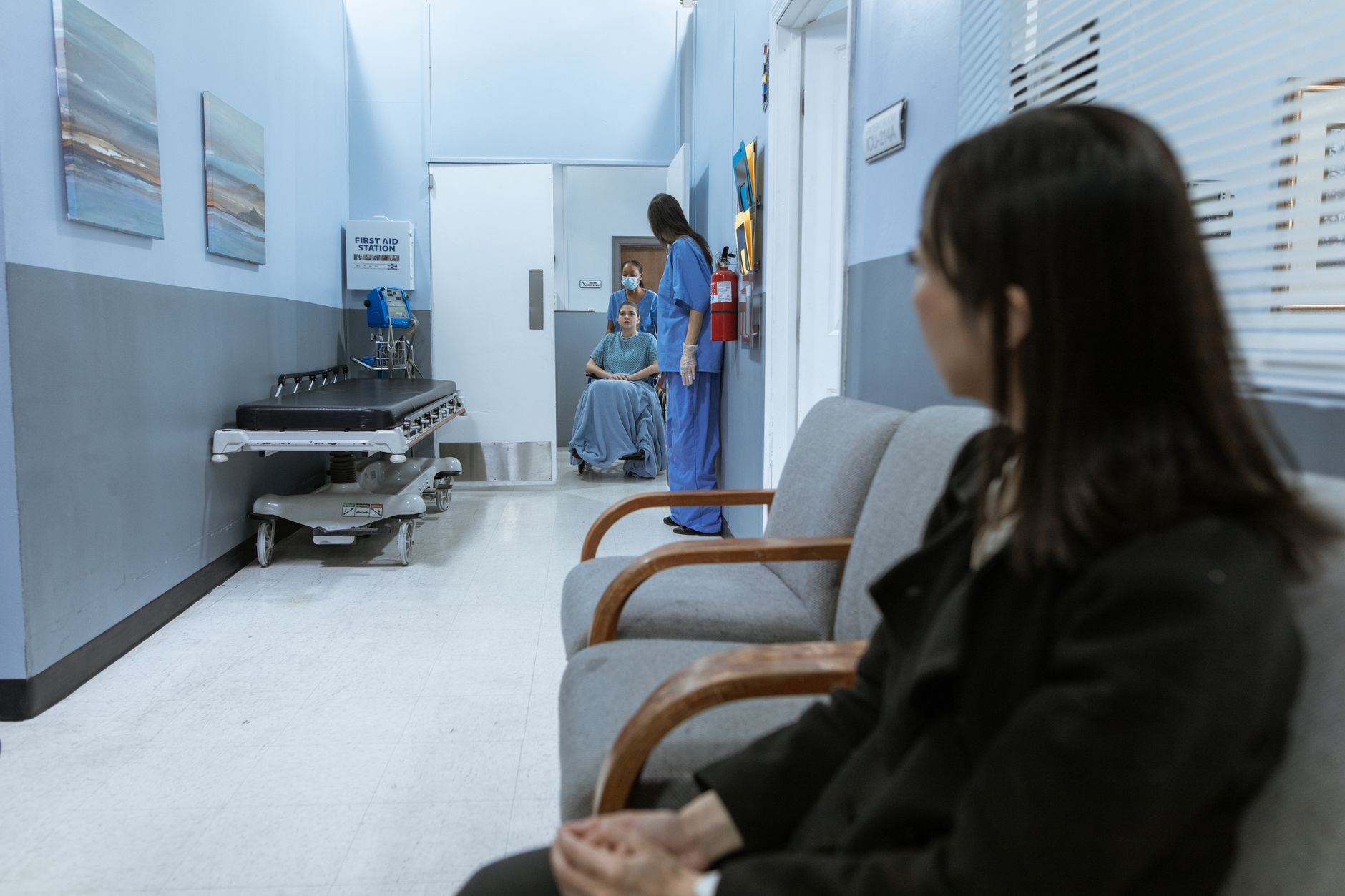
The Philadelphia Department of Public Health issued a warning on Wednesday that patients, staff and visitors to the Children’s Hospital of Philadelphia (CHOP) may have been exposed to measles on Sept. 11. The advisory cites several locations inside the hospital’s 3400 block of Civic Center Boulevard where the possible exposure occurred. Health officials are urging anyone who may have been present in those areas at the time to verify their vaccination records and to monitor themselves for any signs of illness.
Details of the Potential Exposure
The department’s notice does not identify a specific individual as the source, but it confirms that the exposure took place on a single day, Sept. 11, across multiple sites within the hospital complex. The advisory stresses that measles is highly contagious and can spread through the air when an infected person coughs, sneezes, or talks. Importantly, the virus can remain infectious in a space for up to two hours after the infected individual has left, meaning that anyone who entered the same rooms or corridors during that window could be at risk.
Measles Transmission and Symptoms
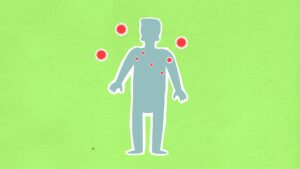
Measles is caused by a virus that spreads easily in crowded indoor environments. Early symptoms typically begin with a fever, runny nose, cough, and red, watery eyes. These initial signs are often followed by the appearance of a distinctive rash. While many cases resolve without severe outcomes, health officials caution that measles can lead to serious complications, including pneumonia, brain infection, and, in rare instances, death. Because the disease is airborne, prompt identification of exposure and early symptom monitoring are essential to prevent further spread.
Public Health Recommendations
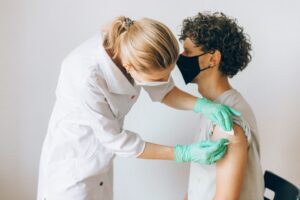
In response to the possible exposure, the Philadelphia Department of Public Health is advising anyone who may have been in the identified areas to take two immediate steps. First, individuals should confirm that they have received at least one dose of the measles-mumps-rubella (MMR) vaccine, which is the primary protection against infection. Second, they should watch for the early symptoms described above and seek medical advice if any develop.
The department also notes that resources and updates are available on its website, providing further guidance on vaccination verification and symptom reporting. By encouraging the community to verify immunization status and remain vigilant for signs of measles, officials aim to contain any potential outbreak and protect vulnerable patients, especially children, who are the primary population served by CHOP.
Health officials reiterate that measles remains a preventable disease when vaccination rates are high. The warning serves as a reminder of the importance of routine immunizations and the need for rapid response when possible exposure incidents arise in healthcare settings.

Helene Elliott is the Lead Science & Space Reporter at News Raise. She reports on aerospace missions, astrophysics discoveries, quantum research, and environmental technology.