Florida health officials confirmed the state’s first dengue fever death of 2026 earlier this month. Gay Small, an 80‑year‑old resident of Hillsborough County, died on Sept. 4, her birthday, after complications from a dengue infection that began with a mosquito bite near her home on Bayshore Boulevard.
First Recorded Dengue Death in Florida
The Florida Department of Health completed its investigation and verified the fatality, though it released no further medical details. According to The Tampa Bay Times, Small’s condition progressed to septic shock and multi‑organ failure, leading to her admission to intensive care before she passed away.
Small’s daughter, Anna Small, told WFLA Channel 8 that her mother had been “in good health, worked hard to stay healthy, walked, ate right” and expressed frustration that the virus “just kind of comes out of nowhere.” The family believes their mother may have contracted dengue years earlier while traveling abroad, a factor that can increase the risk of severe disease upon re‑exposure.
University of South Florida public‑health instructor Kristi Miley noted that a dengue death had not been recorded in the Tampa Bay area for nearly a century, underscoring the rarity of such an outcome in the region.
Mosquito Control Response
Local mosquito‑control agencies have escalated surveillance, inspections, and aerial as well as ground spraying after a surge in locally acquired dengue cases since July. Hillsborough County, identified as the epidemic’s epicenter, and neighboring Pinellas County are both under mosquito‑borne‑illness alerts issued by the Florida Department of Health.
Pinellas County Mosquito Control Director Alissa Berro told Fox 13 that while the mosquitoes that spread dengue tend to stay within a limited area, daily travel across the Tampa Bay region facilitates wider transmission. “When someone infected with dengue enters a new area, a local mosquito can bite that person and later spread the virus to others,” she explained.
Hillsborough County Mosquito Management Services has increased aerial insecticide and larvicide applications and is inspecting private properties for breeding sites. The Times reported that among the last 1,500 mosquitoes tested, none were positive for dengue, suggesting that the intensified treatments are having an effect.
Public Health Guidance
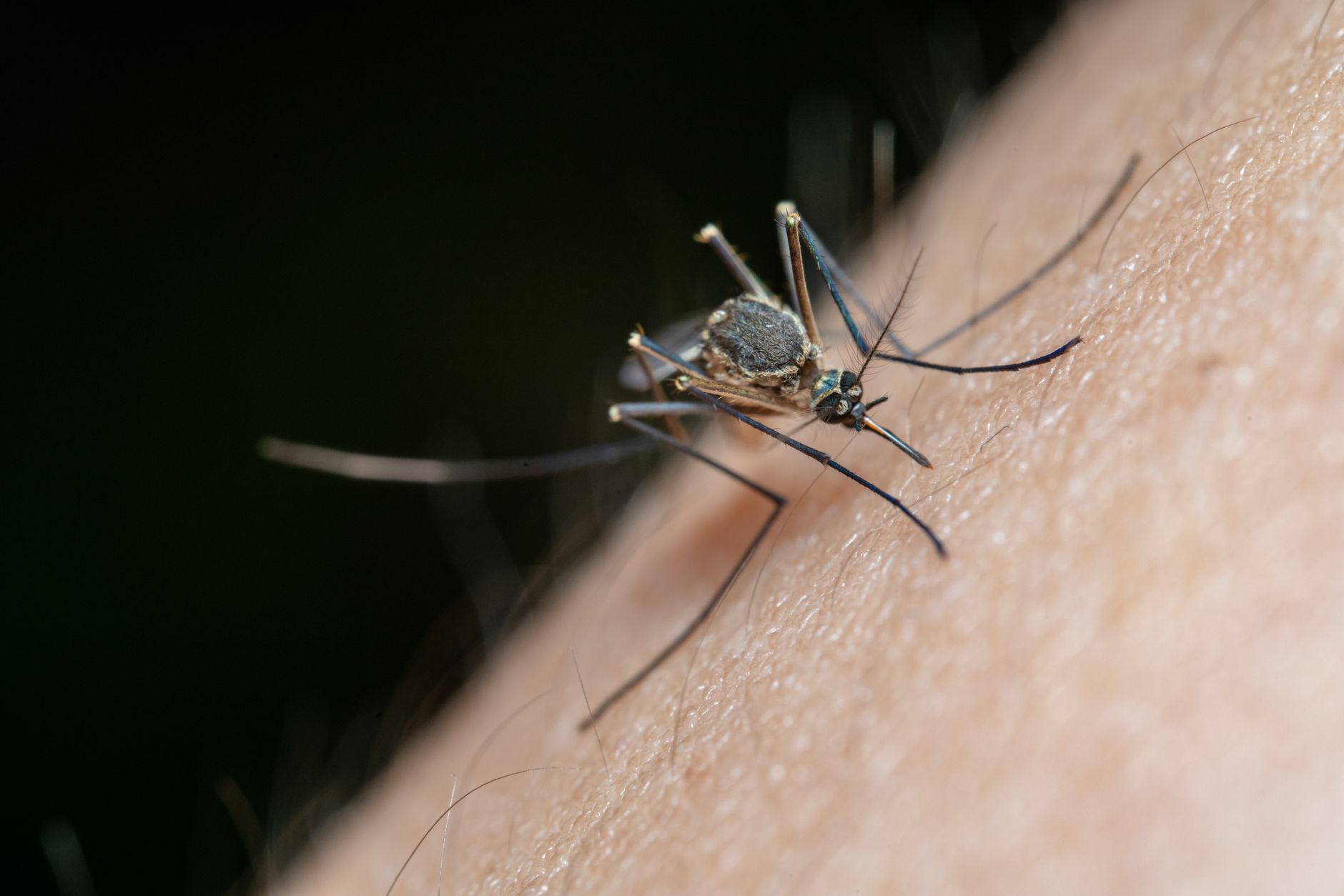
The Florida Mosquito Control Association (FMCA) is urging residents to eliminate standing water where the Aedes mosquito, the primary dengue vector, can lay eggs. The FMCA promotes the “three Ds”: Dress in long sleeves, light colors, and closed‑toed shoes; Defend with DEET, picaridin, IR3535, or oil of lemon eucalyptus repellents; and Dump standing water from containers around the home.
According to the Centers for Disease Control and Prevention, dengue is a viral illness transmitted by mosquitoes that can cause fever, severe aches, nausea, rash, and, in rare instances, life‑threatening complications. The disease is most common in tropical and subtropical regions, but locally acquired cases have been documented in Florida, California, and Texas.
Most dengue infections are asymptomatic or result in mild illness that resolves within one to two weeks, per the Mayo Clinic. However, a subset of patients can develop severe dengue, characterized by rapid onset of severe abdominal pain, persistent vomiting, bleeding, difficulty breathing, extreme fatigue, or irritability. Health officials advise anyone experiencing these warning signs to seek immediate medical care.
As Florida confronts an unprecedented local outbreak, officials stress that dengue does not respect county lines. Continued public cooperation with mosquito‑control measures and personal protection strategies remains essential to curb further transmission.

Mitchell Landsberg is a Senior Technology Correspondent at News Raise. He covers consumer electronics, artificial intelligence, software developments, and digital privacy trends.