Los Angeles County health officials announced Friday that individuals who were present at Union Station during a four‑hour window on Saturday may have been exposed to measles by a passenger later confirmed to be infected.
Exposure timeline and public health response
The unnamed passenger arrived at Union Station aboard Amtrak’s Southwest Chief Train 3 at 7:03 a.m. on Saturday. After a brief stay, the traveler departed the station at 10:55 a.m. on Amtrak Thruway Bus Route 5717 bound for Bakersfield, according to the Los Angeles County Department of Public Health.
Health officials identified the period between 8 a.m. and noon on Saturday as the window during which other passengers and visitors could have been exposed. Those who were at the station during that time are advised to watch for measles symptoms, which can appear anywhere from seven to 21 days after exposure. The final day to monitor for symptoms is October 3.
County, state and federal agencies—including the Los Angeles County Department of Public Health, the California Department of Public Health and the Centers for Disease Control and Prevention—are coordinating outreach to passengers who were seated near the infected traveler on both the train and the bus. The goal is to inform them of their potential risk and the steps they should take.
Vaccination guidance and symptom monitoring
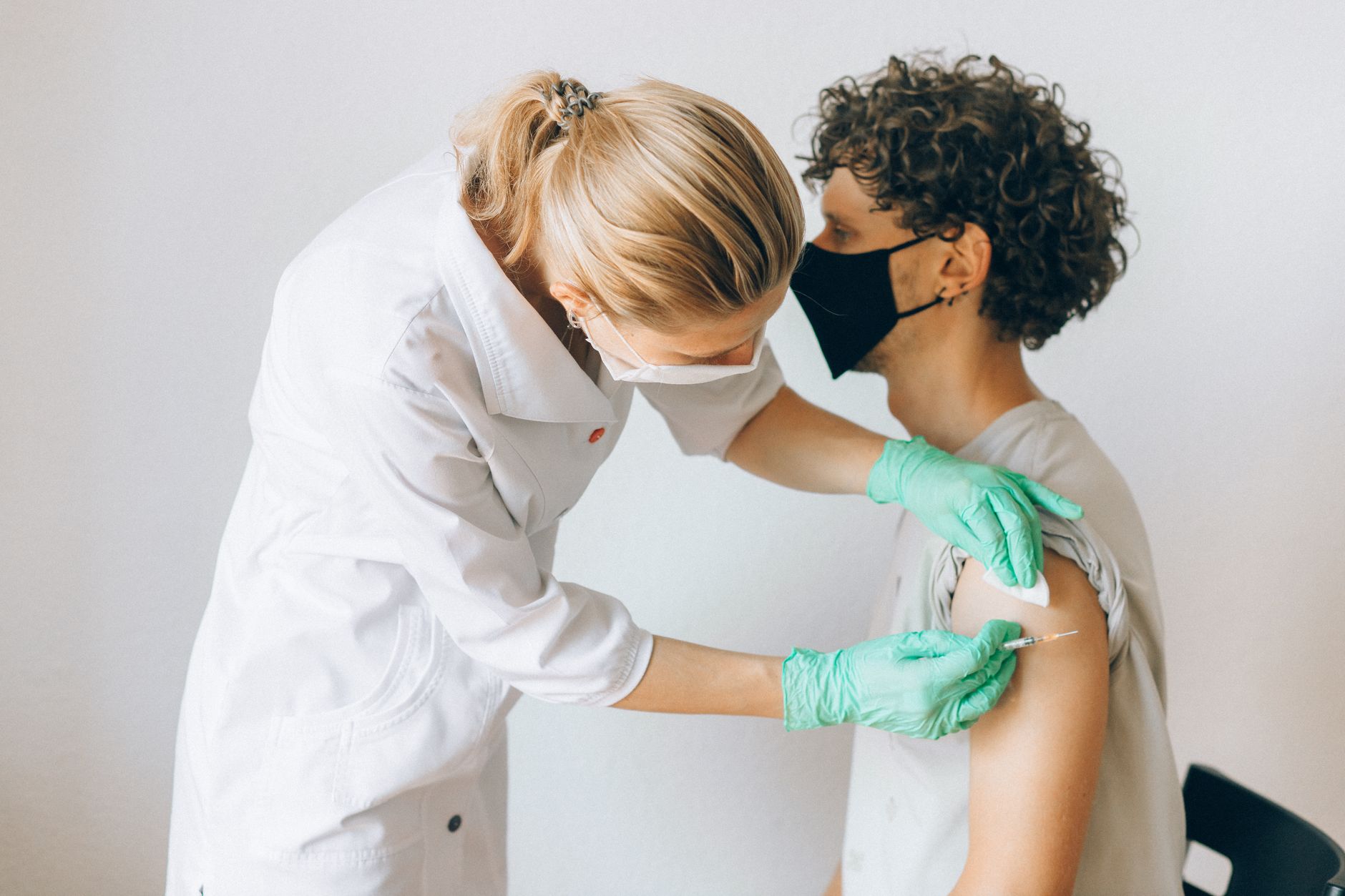
Los Angeles County Health Officer Dr. Muntu Davis emphasized the importance of vaccination as measles cases rise nationwide. “The MMR vaccine is the safest and most reliable way to prevent measles and protect yourself, your family, and your community,” Davis said.
People who have previously contracted measles or who have received the recommended two‑dose measles‑mumps‑rubella (MMR) vaccine are considered likely to be protected, though they should still remain alert for any symptoms. Those who are unvaccinated or whose vaccination status is unknown face a higher risk and are urged to monitor closely.
Measles spreads through airborne droplets when an infected individual breathes, talks, coughs or sneezes. Common early signs include fever, cough, runny nose, red watery eyes and, typically three to five days later, a rash.
The Department of Public Health advises anyone who develops these symptoms to stay home, avoid school, work and public gatherings, and to contact a health‑care provider immediately. People who suspect they may have been exposed should call ahead before entering any health‑care facility.
According to the department, a single dose of the MMR vaccine is about 93 % effective against measles, while the recommended two‑dose series reaches roughly 97 % effectiveness.
Measles situation nationwide
As of the Friday of the report, the United States has recorded 3,471 measles cases and four measles‑associated deaths this year. Health officials have identified 39 separate outbreaks, and 9 % of the reported cases required hospitalization for complications or isolation.
The Union Station exposure adds to growing concerns among public‑health officials that measles, once declared eliminated in the United States, continues to pose a risk in communities with gaps in vaccination coverage. Authorities continue to stress the importance of completing the two‑dose MMR series to maintain herd immunity.

Helene Elliott is the Lead Science & Space Reporter at News Raise. She reports on aerospace missions, astrophysics discoveries, quantum research, and environmental technology.