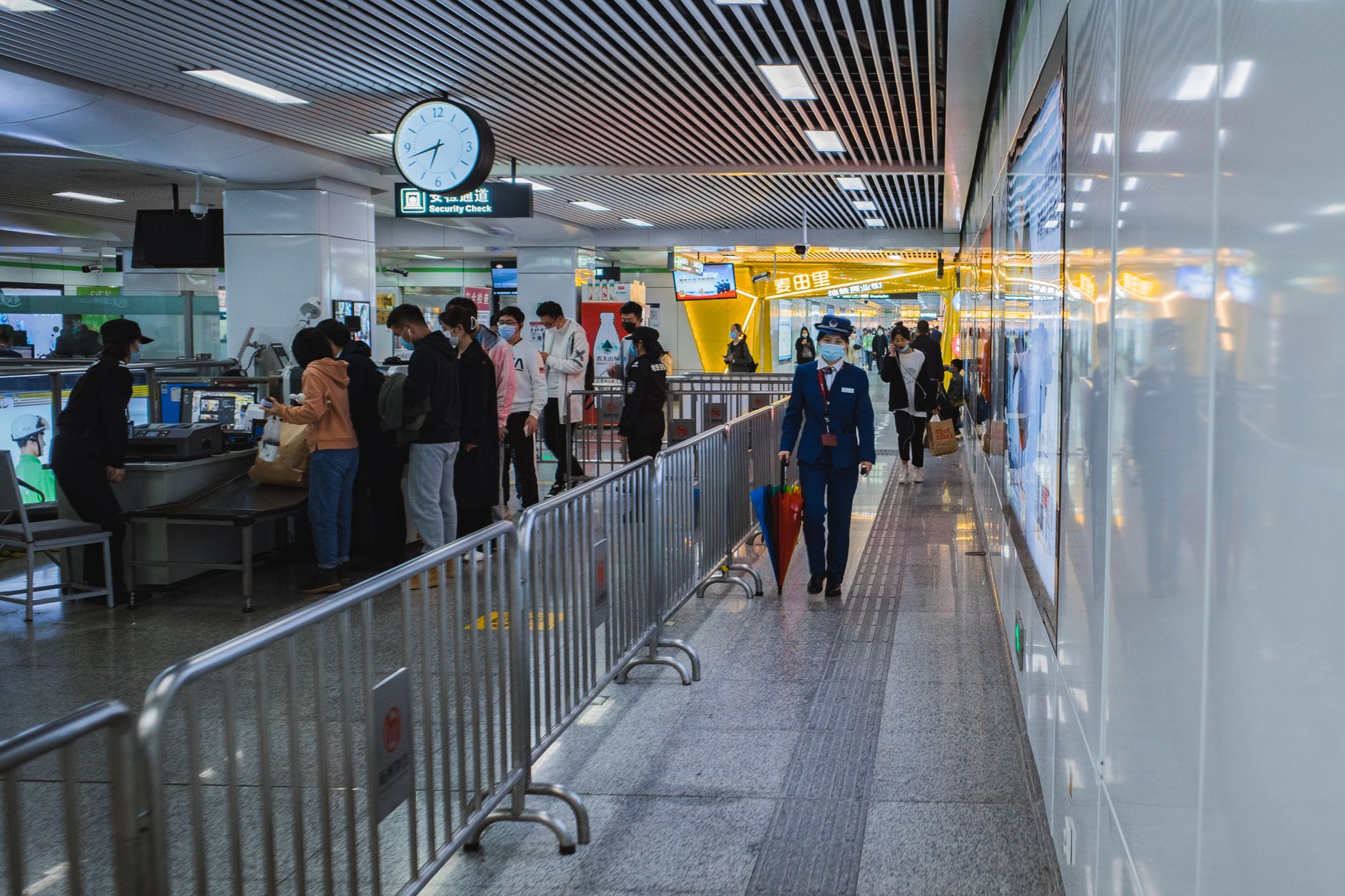
On September 13, a traveler infected with measles spent more than five hours moving between terminals at Philadelphia International Airport. Six days later, the city’s health department issued an exposure warning for the single traveler, but the incident underscored a much larger public‑health challenge.
Rising Case Numbers and Fatalities
As of September 26, Pennsylvania confirmed 890 measles cases and recorded four deaths—the state’s first measles fatalities in 35 years. Nationwide, the United States logged 3,659 cases across 47 jurisdictions by September 24. Since measles was declared eliminated in 2000, outbreaks were typically small and quickly contained. The 2025‑2026 resurgence, however, has produced larger, longer‑lasting outbreaks in Texas, Utah, South Carolina and Pennsylvania, each surpassing any post‑elimination event.
Costly Contact‑Tracing Efforts
Airport exposures generate dozens of contacts who develop routine fevers and must be tracked, tested and cleared, even though most do not have measles. Dr. Matthew Ferrari, director of the Center for Infectious Disease Dynamics at Penn State, described the situation as a “hit they shouldn’t have to take” for an already strained public‑health workforce. The Association of State and Territorial Health Officials estimates the average cost of a measles outbreak response at more than $750,000, excluding broader societal costs such as lost productivity and caregiver time. A Michigan county health department received $100,000 in emergency contact‑tracing funds this spring and had largely allocated it by April.
Vaccination Gaps Fueling the Surge
Measles requires roughly 95% population immunity to halt transmission—higher than most common diseases. Among American kindergarteners, two‑dose MMR coverage fell from 95.2% in the 2019‑20 school year to 92.4% in 2025‑26, slipping below the herd‑immunity threshold. The decline is uneven; clusters of unvaccinated individuals can sustain outbreaks even when overall rates remain high. Two doses of MMR confer about 97% protection, while a single dose offers 93% protection. People born before 1957 are generally presumed immune, but anyone uncertain of their vaccination history or who received only one dose under pre‑1989 schedules should verify their status.
The Philadelphia airport warning set a monitoring window through October 5. Symptoms—fever, runny nose, cough, red eyes and a rash—typically appear seven to fourteen days after exposure, and individuals are advised to call a doctor before seeking in‑person care.
Implications for Future Outbreak Management
Experts caution that the United States may be moving from a model of catching and extinguishing isolated chains of transmission to one where endemic persistence becomes possible. Dr. Ferrari noted that multiple recent outbreaks “imply that we have the conditions for endemic persistence,” even if sustained transmission has not yet been observed. The key question shifts from whether agencies can contain individual incidents to whether they can contain enough of them to prevent the disease from establishing a continuous presence.
Prioritizing investigations will become increasingly difficult. “The ugly part about prioritizing,” Ferrari said, “is that not everyone can be first.” As measles resurfaces, public‑health systems will need to balance limited resources against a growing number of exposure events, a reality that could reshape outbreak response strategies across the country.

Mitchell Landsberg is a Senior Technology Correspondent at News Raise. He covers consumer electronics, artificial intelligence, software developments, and digital privacy trends.