Hillsborough County announced a local state of emergency on September 24 after health officials confirmed 134 cases of dengue fever, a mosquito‑borne illness normally associated with tropical regions. The declaration, which can be extended beyond its initial one‑week term, enables the county to seek state, federal and local emergency funds, grants and mutual‑aid assistance to combat the disease‑carrying mosquito population.
Regional Response and Case Numbers
In addition to Hillsborough, neighboring Pasco and Pinellas counties have issued comparable emergency orders in response to rising dengue reports. The Florida Department of Health’s recent mosquito‑transmitted virus report recorded 26 cases linked to international travel during a six‑day window beginning September 13, bringing the total travel‑related dengue cases in Florida to 212 for 2026.
During the same period, 38 locally acquired infections were reported, contributing to a statewide total of 190 locally transmitted dengue cases. The U.S. Centers for Disease Control and Prevention (CDC) listed a slightly higher figure, noting 392 dengue cases across Florida for the year to date, with additional county‑level details.
Control Measures and Public Health Impact
Officials described dengue, sometimes called “breakbone fever,” as an immediate and widespread threat to the health, safety and welfare of residents and visitors. To curb transmission, they emphasized the need for “immediate, aggressive, and continuous” actions, including pesticide application, public education campaigns and emergency resource planning.
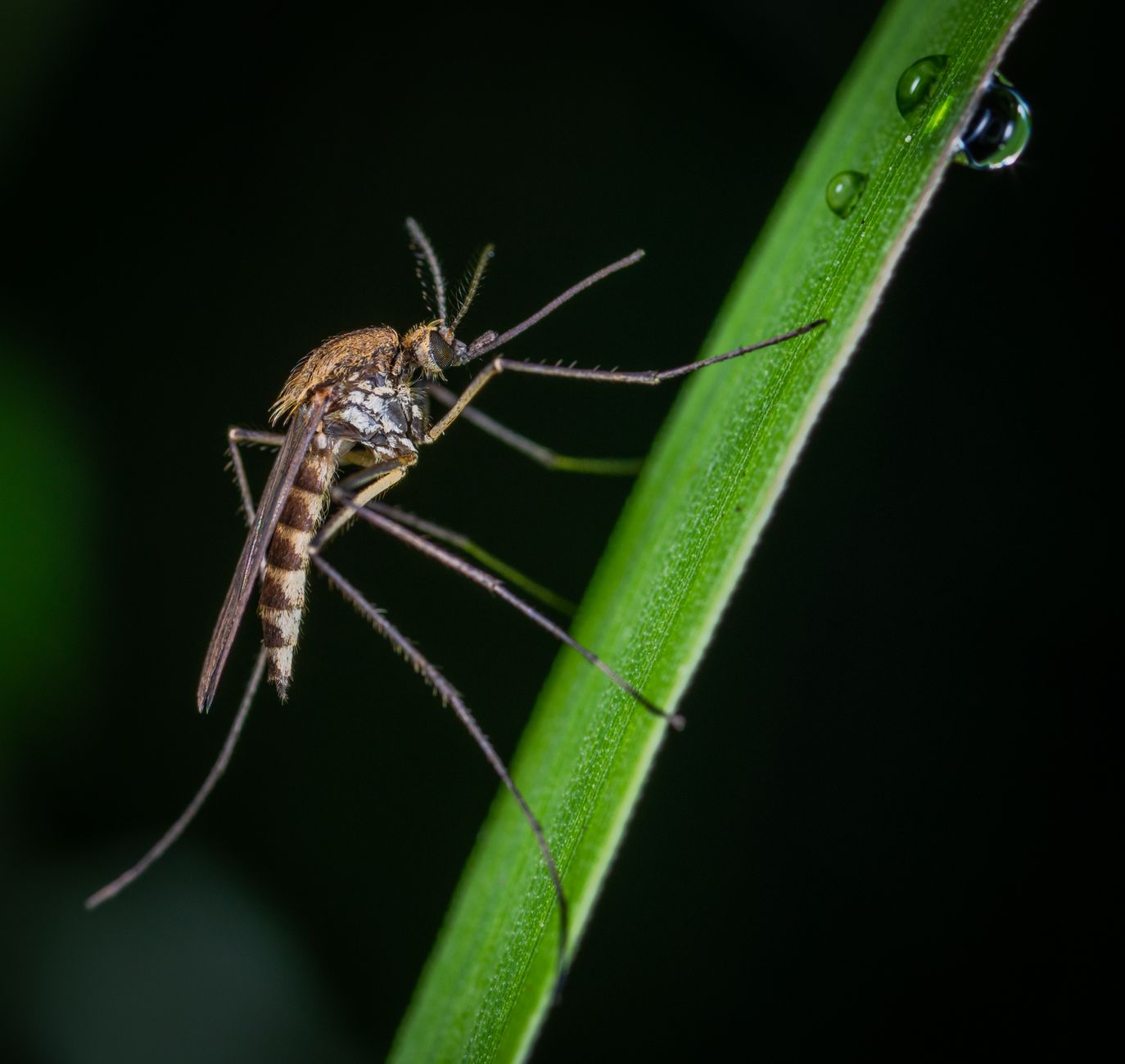
Both Aedes aegypti and Aedes albopictus mosquitoes—species known to carry dengue—are established in Florida. Symptoms typically appear three days to two weeks after a bite and can include sudden fever, severe headache, eye pain, muscle and joint aches, bleeding, and gastrointestinal upset such as vomiting or diarrhea. Illness usually lasts four to seven days, though a rarer dengue hemorrhagic fever can be fatal without proper supportive care.
Local health authorities expressed optimism that transmission may decline in the coming weeks, citing recent reports of zero positive mosquito test pools, according to Bay News 9.
Broader Context
While dengue has historically been confined to tropical and subtropical zones, recent years have seen its emergence in new areas of the United States. In 2023, Long Beach and Pasadena, California, documented the first locally acquired cases in that state. Even England reported the presence of Aedes aegypti in homes in east London, underscoring the expanding geographic reach of the vector.
Scientists have warned that global warming could intensify climate‑related diseases such as dengue, further complicating public‑health responses. The emergency declarations in Hillsborough, Pasco and Pinellas counties reflect an effort to mobilize resources quickly, mitigate mosquito populations and protect both residents and the influx of visitors to the Tampa Bay region.
As the situation evolves, state and local agencies will continue to monitor case counts, mosquito testing results and the effectiveness of control measures, with the overarching goal of reducing dengue transmission and safeguarding public health.

Helene Elliott is the Lead Science & Space Reporter at News Raise. She reports on aerospace missions, astrophysics discoveries, quantum research, and environmental technology.