About one in eight newly diagnosed cancers in 2024 were linked to infections, according to a study published in The Lancet Oncology. Researchers estimated that 2.3 million of the roughly 20 million cancer cases that year were attributable to 12 identified pathogens, representing 12 % of the global cancer burden.
Scale of infection‑related cancer burden
The analysis combined data from the Global Cancer Observatory’s GLOBOCAN database with published prevalence figures for specific infections. Four agents accounted for roughly 92 % of infection‑driven cancers. The bacterium Helicobacter pylori was responsible for an estimated 760,000 cases, most of which were gastric cancers. Among viruses, human papillomavirus (HPV) caused about 750,000 cases, spanning cervical, penile, throat and oral cancers. Hepatitis B virus contributed 360,000 cases, primarily liver cancers, while Epstein‑Barr virus (EBV) was linked to 260,000 cases, including certain lymphomas, stomach cancers and throat cancers.
Low‑ and middle‑income nations shouldered 77 % of the infection‑related cancer load, and about 81 % of HPV‑linked cancers occurred in these regions. The study’s authors note that the underlying registries cover only 19 % of the world’s population, and merely 2 % of Africa, suggesting the true burden could be larger.
Vaccination gaps and prevention opportunities
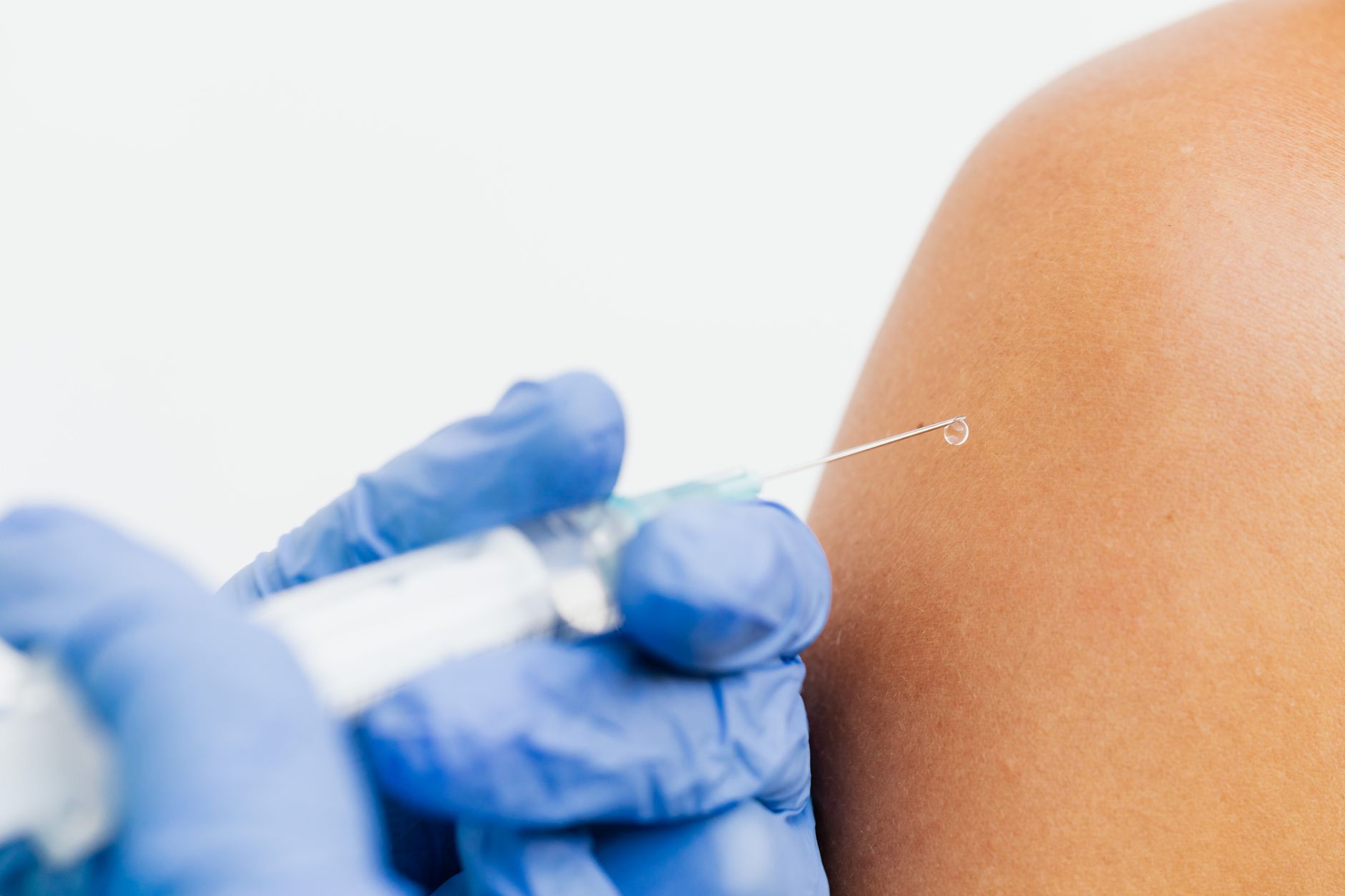
Vaccines exist for both HPV and hepatitis B, yet coverage remains far below global targets. The World Health Organization reports that in 2024 only 31 % of eligible adolescent girls received at least one dose of the HPV vaccine, well short of the 90 % goal. Countries that have achieved high uptake—such as Australia, England and Finland—are already seeing dramatic declines, with some reporting zero HPV‑related cancers or deaths among young adults vaccinated by age 13.
Experts argue that moving from a two‑dose to a single‑dose HPV schedule could simplify campaigns, reduce costs and eliminate the need for follow‑up tracking. The single‑dose approach is supported by recent trial data. In the United States, vaccination rates vary widely by state, and misconceptions persist among caregivers who believe the vaccine is unnecessary or can be delayed.
Hepatitis B vaccination is also recommended shortly after birth, but the U.S. Centers for Disease Control and Prevention recently stopped recommending universal vaccination at birth, a shift that some experts warn could increase hepatitis B infections and related cancers.
Remaining challenges and future directions
Unlike HPV and hepatitis B, there is currently no approved vaccine for EBV. Researchers cite the virus’s complexity—its use of multiple entry proteins and lifelong latency—as a major obstacle. Nonetheless, the high prevalence of EBV infection (up to 95 % of adults) and its association with cancers and autoimmune diseases such as multiple sclerosis and lupus are spurring renewed vaccine development efforts.
For H. pylori, public‑health strategies are focusing on population‑wide testing and treatment to curb gastric cancer, while vaccine research remains underfunded.
Commentators stress that preventing infections could yield substantial economic benefits. Dr. Prashant Mathur, director of India’s National Centre for Disease Informatics and Research, noted that when infection control is combined with other lifestyle and environmental measures, roughly half of cancers in India could be avoided, a pattern echoed in earlier global estimates.
The findings reinforce the view that investing in preventive measures—particularly vaccination—offers a more cost‑effective route than treatment alone for reducing the worldwide cancer burden.

Mitchell Landsberg is a Senior Technology Correspondent at News Raise. He covers consumer electronics, artificial intelligence, software developments, and digital privacy trends.