Pennsylvania is preparing for a broader wave of measles after the state recorded its fifth measles‑related death and confirmed 943 cases across 39 counties. Health officials warn that the disease could soon move beyond its current epicenter, citing low vaccination rates in certain communities and limited county‑level public‑health infrastructure.
Outbreak Overview
The latest figures show 943 laboratory‑confirmed measles infections, with the highest concentration in Lancaster County, which has reported 381 cases. The majority of those infections appear to be among Amish and similar religious groups that historically have low uptake of the measles, mumps and rubella (MMR) vaccine. Lancaster County does not operate its own health department, a situation that is common statewide; only seven of Pennsylvania’s 67 counties maintain independent health agencies.
Statewide concerns are amplified by a broader climate of vaccine skepticism, which officials attribute in part to the influence of controversial public figures such as health secretary Robert F. Kennedy Jr. The combination of low vaccination coverage in specific communities and misinformation about vaccine safety has heightened the urgency of the response.
County Responses
Chester County, which ranks third in case numbers with 83 infections, is taking proactive steps to prevent further spread. Jeanne Franklin, director of the Chester County health department, emphasized the risk of cross‑border transmission from neighboring Lancaster. “We have a very long border with Lancaster County, and these types of disease don’t care about borders,” Franklin said. “It’s going to keep going and find a person who isn’t vaccinated.” She noted that many Amish residents are unvaccinated not out of anti‑vaccine sentiment but because they are either unaware of the vaccine or do not seek health care as frequently as other residents. Franklin added that community members are now willing to discuss vaccination decisions based on current realities rather than myths.
Franklin also highlighted the challenge of misinformation, citing reports that some residents have been told the vaccine could cause sterility or contain a microchip. She praised Chester County’s own health department as an advantage, explaining that the existing infrastructure allows the county to redeploy staff quickly and coordinate with local partners who know the area well.
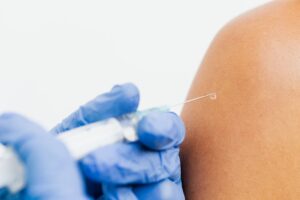
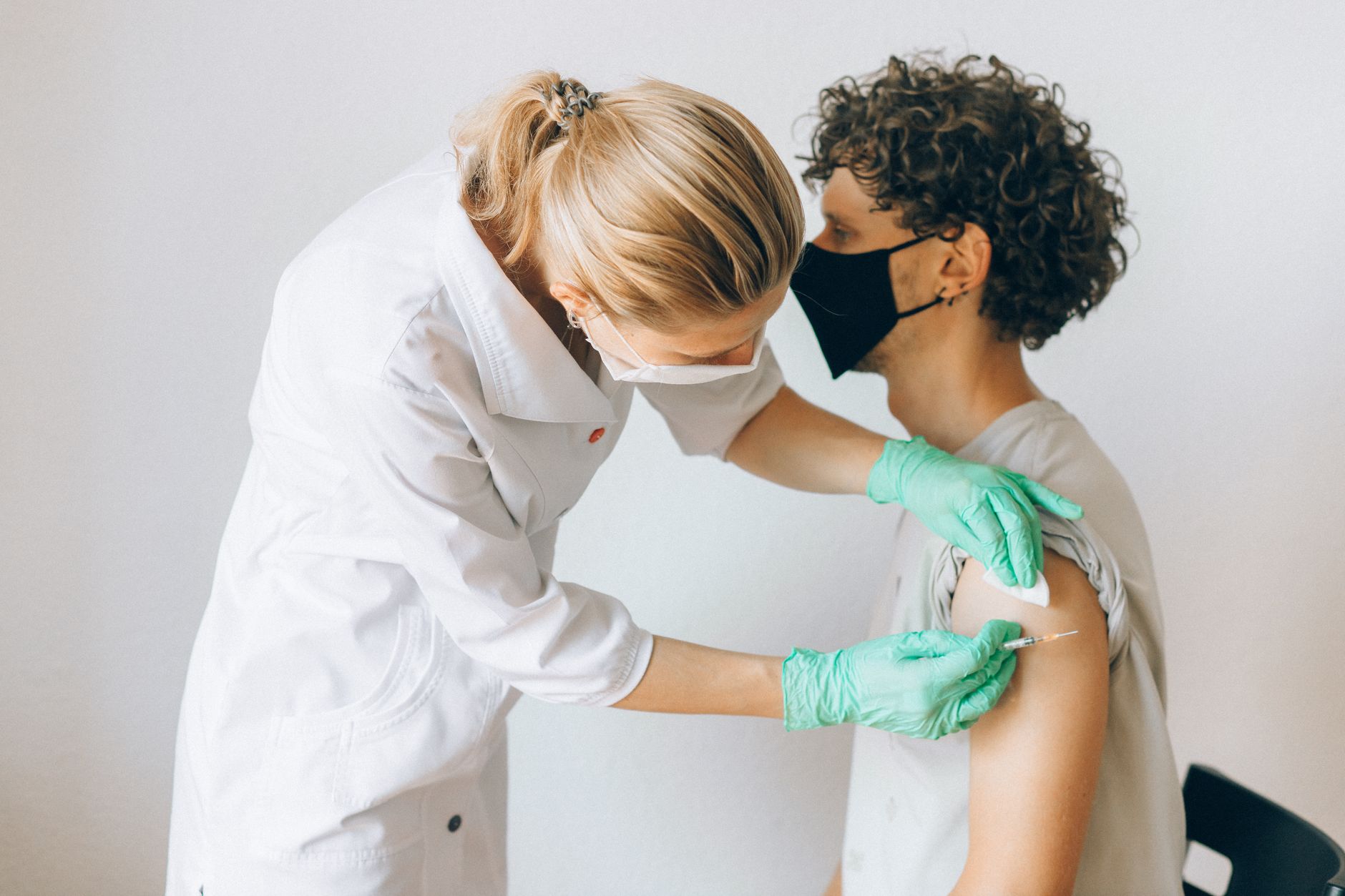
In Montgomery County, Dr. Richard Lorraine, medical director of the county’s office of public health, warned that it is “a matter of time” before the third‑most‑populous county sees measles cases. Lorraine said the county’s primary strategy is to boost immunization rates, describing vaccination as “the best preventative measure.” He also stressed that the county is working with community organizers to ensure vaccines are available to all residents, regardless of insurance status, by partnering with pharmacies to operate clinics for both insured and uninsured individuals.
Delaware County faces its own set of hurdles. Lora Werner, director of the Delaware County health department, pointed to the bankruptcy and collapse of Crozer Health, the county’s largest health system, which had been a major provider of pediatric care. Despite a generally high vaccination rate in the county, Werner said there are “pockets where they aren’t as good.” She described the newly established health department as a “game‑changer” for public‑health initiatives, noting that the department was created through a local referendum—a process that is optional in Pennsylvania and has led to a patchwork of health‑department coverage across the state.
Challenges and Public‑Health Infrastructure
The disparity in county health‑department coverage complicates statewide coordination. With only seven counties maintaining their own agencies, the state health department must stretch limited staff across a large geographic area, making it difficult to maintain relationships with local partners. Franklin remarked that having a dedicated department allows her to “pull my employees away from their normal jobs and say we need help with this,” a flexibility that many counties lack.
Efforts across the affected counties include active surveillance, contact tracing, and the establishment of community vaccination sites. Officials are also working to counter false narratives about vaccine safety, a task made more urgent by the spread of misinformation through social channels.
The Guardian has reached out to the Pennsylvania health department for comment, but a response was not included in the source material.
As Pennsylvania continues to grapple with the measles outbreak, county health leaders underscore the importance of vaccination, community engagement, and robust public‑health infrastructure to contain the disease and protect residents across both Amish and non‑Amish populations.

Helene Elliott is the Lead Science & Space Reporter at News Raise. She reports on aerospace missions, astrophysics discoveries, quantum research, and environmental technology.