New York State announced a disaster emergency on Monday in response to a measles outbreak that has reached 108 confirmed cases as of Oct. 3. Governor Kathy Hochul said the emergency declaration, which will remain in effect through Nov. 4, temporarily expands the authority of health professionals to administer measles‑mumps‑rubella (MMR) vaccines. “No one should get seriously ill or die from a vaccine‑preventable disease,” Hochul said in a statement.
State Emergency Declaration
The governor’s proclamation follows a sharp increase in reported cases since the start of the year. Seven of the 108 cases were identified in New York City, while the remaining 101 were reported elsewhere in the state. Of particular concern, 92 cases have been documented since July 15 in a handful of rural communities where vaccination rates are considered insufficient.
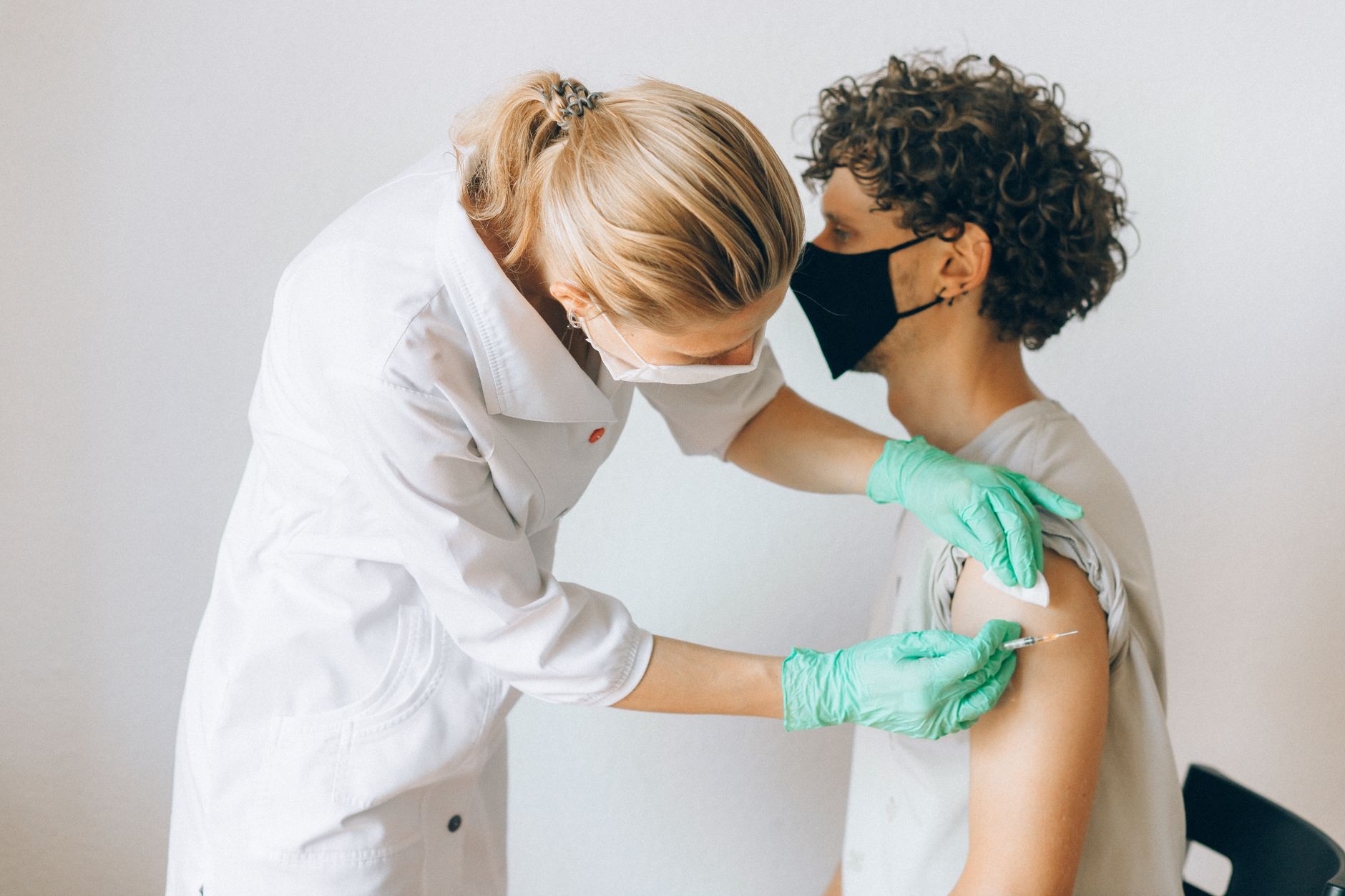
Under the emergency order, qualified health workers will be permitted to vaccinate patients with the MMR shot without the usual restrictions, a move intended to accelerate immunization efforts and curb further spread. The declaration marks the first such action in New York since measles cases began to rise again in 2025.
National Context and Response
New York’s situation reflects a broader resurgence of measles across the United States. Neighboring Pennsylvania announced it has surpassed 1,000 measles cases this year, the largest outbreak in the country in the past three decades. Additional outbreaks have been reported in Texas, Utah, Ohio and South Carolina.
Public‑health experts attribute the rise to vaccination coverage falling below the 95 percent threshold they consider necessary to maintain herd immunity. Critics of the decline point to an anti‑vaccination movement that has gained visibility, including advocates linked to the former administration of President Donald Trump and Health and Human Services Secretary Robert F. Kennedy Jr.
Historically, the United States eliminated endemic measles transmission in 2000. The last U.S. outbreak exceeding 1,000 cases occurred in the early 1990s in New York City. International health officials from the Pan American Health Organization (PAHO) are scheduled to meet in November to assess whether the United States and Mexico will retain their measles‑free status or face a revision of public‑health designations.
PAHO emphasized the importance of “high and homogeneous vaccination coverage, strengthening epidemiological surveillance, and ensuring timely outbreak response” as essential pillars to halt transmission and sustain measles elimination throughout the Americas.
Governor Hochul’s emergency declaration and the temporary expansion of vaccine administration authority represent a swift state‑level response aimed at reversing the upward trend in cases. Health officials hope that broader access to the MMR vaccine will protect vulnerable populations and prevent further fatalities as the nation grapples with a disease once thought to be largely under control.

Steve Lopez is a Senior Editorial Columnist and Health & Public Policy reporter for News Raise. Steve focuses on healthcare advancements, medical technologies, and public health policies.