The United States Centers for Disease Control and Prevention (CDC) has documented a total of 4,410 measles cases in 2026, marking an increase of 330 cases in just one week. The surge has prompted the agency to dispatch a disease investigator to Pennsylvania, where the nation’s largest current outbreak is unfolding.
National Overview
Across the country, measles has resulted in 451 hospitalizations so far this year. Children and teenagers aged five to 19 represent the largest share of infections, accounting for 42 percent of reported cases. Adults 20 years and older follow closely, comprising 41 percent, while children under five make up the remaining 17 percent.
Pennsylvania Outbreak Details
State health officials in Pennsylvania have confirmed 1,222 measles cases spanning 42 counties as of Wednesday. The latest figures include 86 new infections reported since October 9. The outbreak has led to 225 hospital admissions and five confirmed measles‑related deaths, with a sixth death currently under investigation.
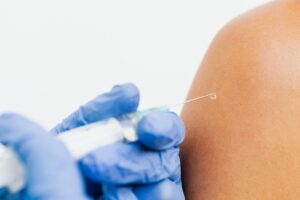
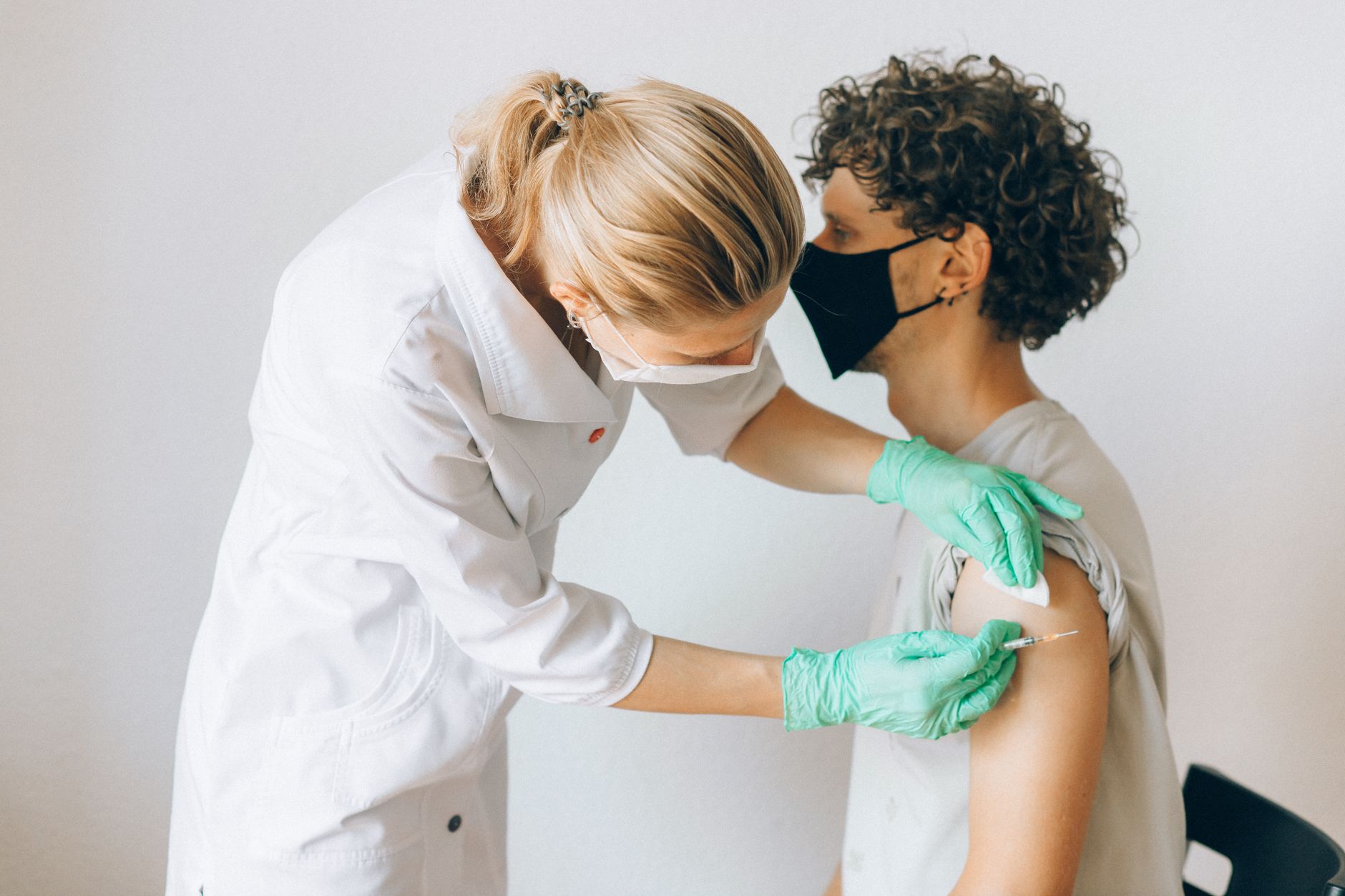
In response to the escalating situation, Pennsylvania has intensified vaccination efforts. State health‑centre staff have administered more than 5,900 doses of the measles, mumps and rubella (MMR) vaccine at 202 pop‑up clinics since the outbreak began in late April.
Public Health Response
The CDC’s deployment consists of a “disease detective” from its Epidemic Intelligence Service, sent to collaborate with Pennsylvania’s health officials. This assistance follows a formal request from the state for an Epi‑Aid, a federal mechanism that provides additional investigative resources during public‑health emergencies.
Neighboring New York has also taken emergency measures. Governor Kathy Hochul declared a statewide disaster emergency on October 5, a declaration that remains in effect until November 4. The order expands the pool of healthcare professionals authorized to administer vaccines and grants nurses greater flexibility to order measles testing, aiming to curb cross‑border spread.
Vaccination Gaps Among Young Children
Data from the CDC indicate a decline in measles vaccination coverage among U.S. kindergarteners. The rate fell from 95.2 percent in the 2019‑2020 school year to 92.4 percent in the 2025‑2026 school year. The agency estimates that approximately 280,000 kindergarten‑age children are now at risk because of these coverage gaps.
The convergence of rising case numbers, hospitalizations, and a noticeable drop in routine immunization underscores a broader public‑health challenge. Health officials stress that restoring high vaccination rates, particularly among young children, remains critical to preventing further spread and protecting vulnerable populations.
As the Pennsylvania outbreak continues to evolve, the combined efforts of state and federal agencies aim to contain transmission, increase vaccine uptake, and mitigate the impact of what is currently the most extensive measles resurgence in the United States in decades.

Helene Elliott is the Lead Science & Space Reporter at News Raise. She reports on aerospace missions, astrophysics discoveries, quantum research, and environmental technology.