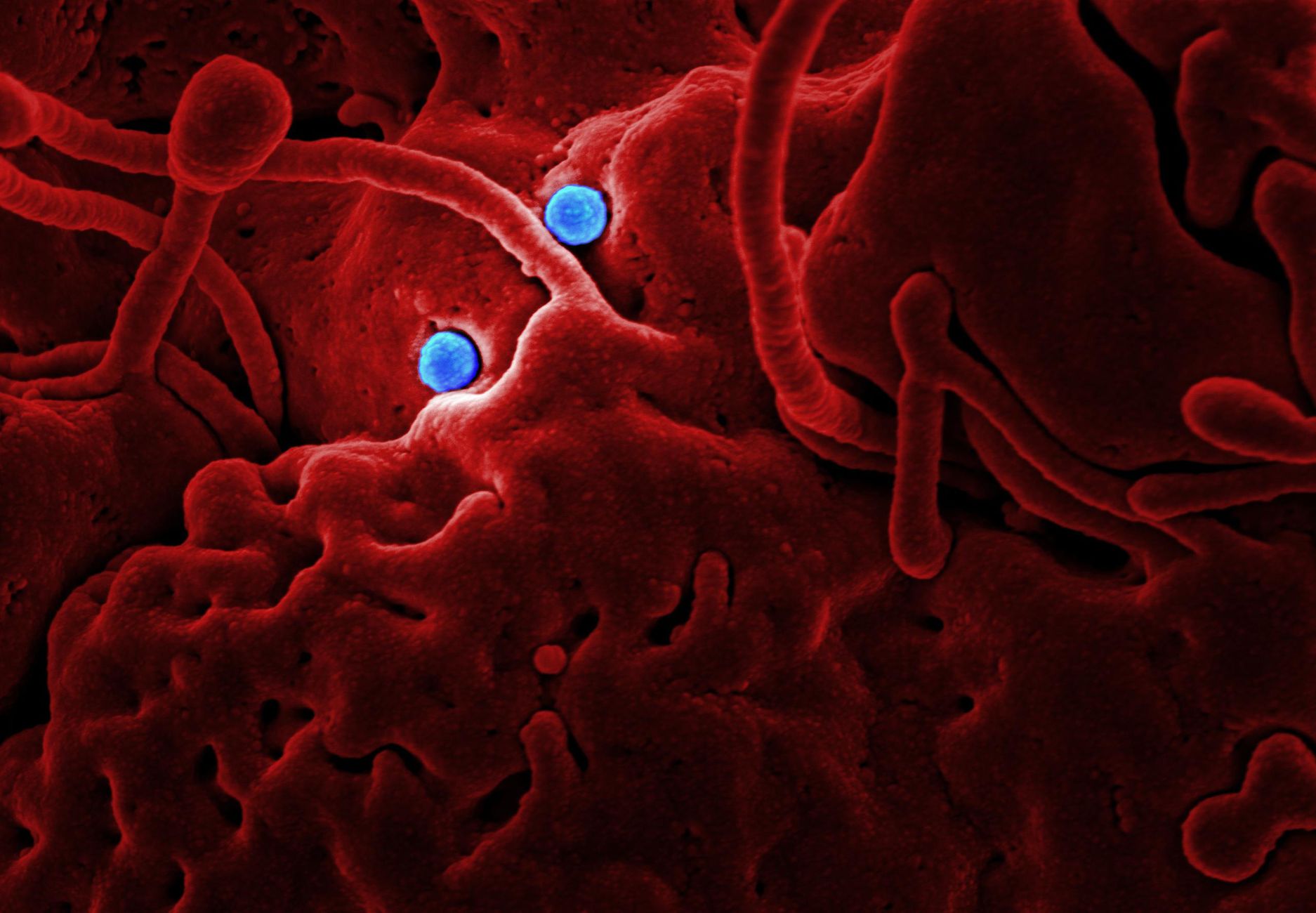
The Democratic Republic of the Congo confirmed on Sunday that the ongoing Ebola outbreak has entered its eighth province, Nord‑Ubangi, located in the country’s north. The health ministry reported two new cases in the province’s Wapinda health zone, both men in their twenties, one of whom died. The expansion follows a rapid spread that began in mid‑May and has already produced at least 9,400 infections and more than 4,500 deaths, making it the deadliest Ebola episode in Congo’s history.
Geographic spread and local impact
Nord‑Ubangi borders the Central African Republic and sits between Sud‑Ubangi and Bas‑Uele, the latter having reported cases earlier in the outbreak. The province’s difficult terrain, characterized by poor roads and limited communications, hampers response efforts. Armed violence along the border has displaced thousands, forcing many to seek refuge in Congolese communities where health services are already stretched.
Health officials identified the two patients in Wapinda, a health zone that directly adjoins Bas‑Uele, where the virus had previously been detected. Both cases underscore the virus’s ability to cross provincial lines despite ongoing containment measures.
Response challenges and new restrictions
World Health Organization Regional Director for Africa Mohamed Yakub Janabi told reporters in Beni that while some pockets of the disease are seeing declines, the overall geographic footprint continues to expand. He highlighted the difficulty of persuading infected individuals to seek care, noting that a number of deaths occur outside formal health facilities.
In the Wamba health zone of Haut‑Uele province, epidemiologist Serge Ngalebato described how health workers began conducting periodic home visits after residents expressed fear of visiting hospitals. Initial resistance gave way to greater community cooperation, leading to more reported positive cases. Ngalebato emphasized that Ebola is fundamentally a “community disease” and that cooperation is essential for control.
Authorities in North Kivu province, where substantial transmission persists, announced a one‑week travel ban effective Monday, prohibiting entry from the neighboring Ituri province, which remains the outbreak’s epicenter and accounts for roughly three‑quarters of confirmed cases across 66 affected health zones. Additional restrictions include limiting motorcycle passengers to two, car occupants to four, and suspending large public gatherings such as sports events, nightclubs, and political demonstrations.
Regional spillover and broader context
The outbreak has also crossed national borders. Uganda, which previously reported cases, has declared itself free of Ebola, while Kenya recorded its eighth case on Sunday. The Central African Republic has not reported any confirmed infections. The disease is caused by the rare Bundibugyo virus, for which no approved vaccine or treatment exists.
Experts attribute the rapid spread to several factors: mass population movements, ongoing rebel violence, community mistrust of health interventions, and challenging working conditions for frontline workers. In mining areas of the Wamba health zone, where populations are highly mobile, a disproportionate number of deaths have been recorded, further complicating containment efforts.
As the virus continues to move into new territories, health officials stress the importance of community engagement, timely medical care, and adherence to newly imposed travel and gathering restrictions to curb the outbreak’s momentum.

Steve Lopez is a Senior Editorial Columnist and Health & Public Policy reporter for News Raise. Steve focuses on healthcare advancements, medical technologies, and public health policies.