The Pennsylvania Department of Health issued an alert on Monday urging physicians to be vigilant for a surge in measles infections among pregnant patients and a concerning increase in congenital measles—a condition that is rarely observed in the United States.
Rise in Pregnant Cases and Congenital Infections
Since the state’s outbreak began in April, health officials have identified 66 pregnant women diagnosed with measles. The department’s spokesperson emphasized that measles infection during pregnancy elevates the risk of miscarriage, premature labor and low birth weight. Exact numbers of miscarriages or infants born with congenital measles remain unknown because state law bars the release of pregnancy outcome details, and no national registry tracks such cases.
The outbreak has been concentrated largely within Amish communities, where some families may forgo conventional medical care, potentially obscuring the true scale of the problem. Nationwide, there have been 4,410 measles cases reported as of Thursday, while Pennsylvania alone accounts for 1,286 cases.
Historically, congenital measles was exceedingly rare, even before widespread vaccination, because most women contracted measles in childhood. Declining vaccination rates have revived the threat, prompting the American Academy of Pediatrics to add a frequently asked questions page on congenital measles to its website. According to the AAP, the condition occurs when a mother is infected within the two weeks preceding delivery and the newborn tests positive or shows symptoms within ten days of birth.
Anecdotal reports from Pennsylvania physicians suggest at least six infants have been born with congenital measles. Affected newborns may exhibit a rash and fever, and some develop more severe complications such as pneumonia, neurological problems, or low platelet counts. Doctors noted that at least two of these infants required intensive‑care admission for pneumonia. One father from Lancaster County recounted that his wife contracted measles in August, went into labor a month early, and the baby died shortly after birth.
Health Officials Outline Risks and Recommendations
Beyond the immediate dangers to mother and child, the department warned of long‑term sequelae. Congenital measles can predispose survivors to subacute sclerosing panencephalitis (SSPE), a rare inflammatory brain disorder that typically manifests seven to ten years after infection and is almost always fatal. Evidence suggests SSPE may appear earlier in individuals born with congenital measles.
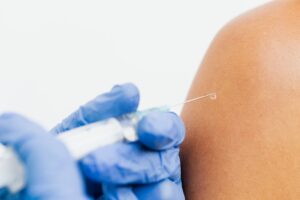
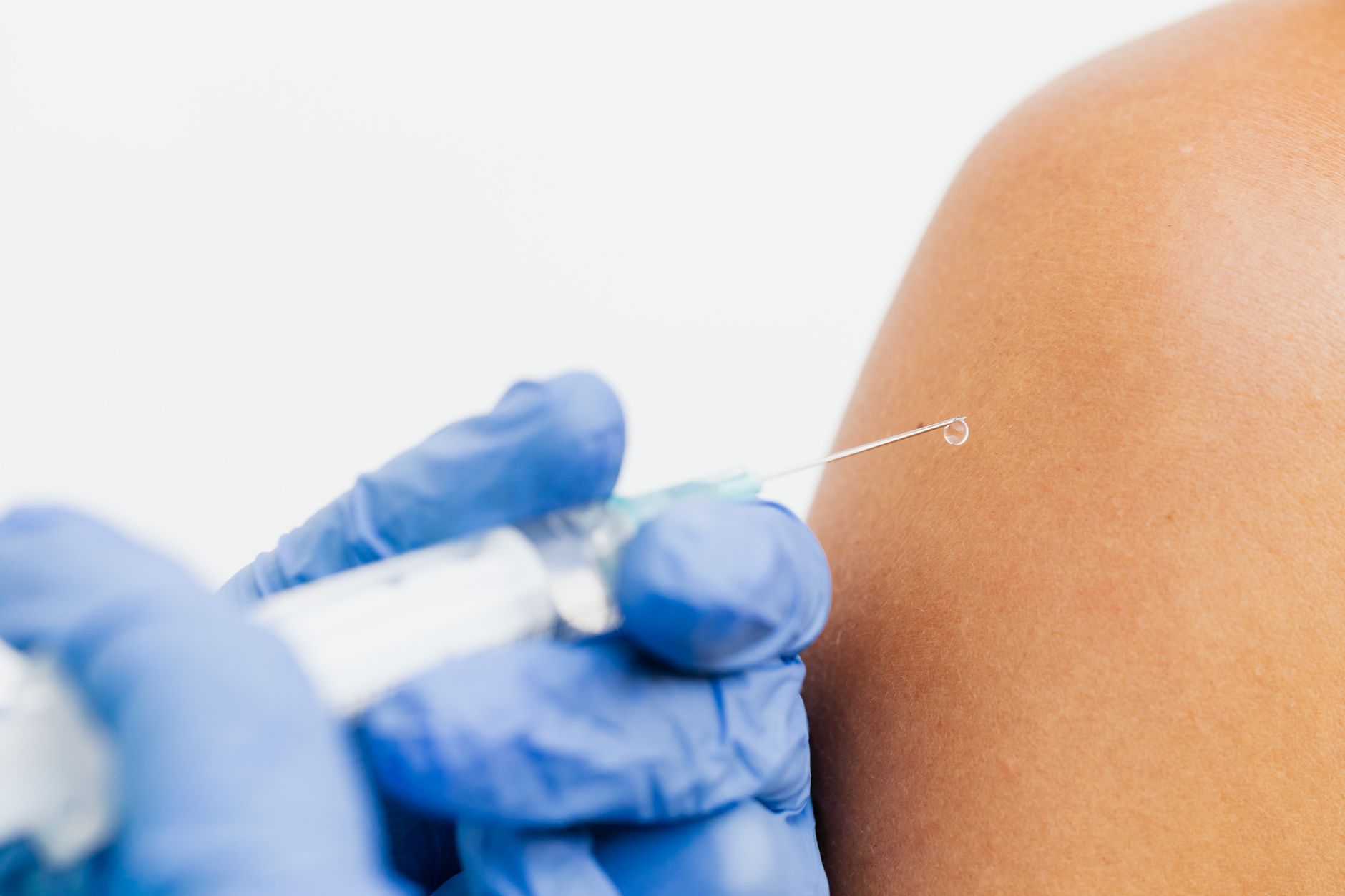
There is no specific antiviral treatment for congenital measles; care focuses on supportive measures such as fluid replacement, hydration and supplemental oxygen. Prevention remains the most effective strategy. Health officials advise women of child‑bearing age to receive the measles vaccine before becoming pregnant, as the live‑attenuated vaccine is contraindicated during pregnancy.
Pregnant women who are unvaccinated and exposed to measles may receive an immunoglobulin dose within six days of exposure to reduce the likelihood of infection or severe illness. The measles vaccine can be administered safely after delivery, including to breastfeeding mothers.
State health authorities continue to monitor the outbreak and urge clinicians to report suspected cases promptly, emphasizing the importance of vaccination and early intervention to protect both expectant mothers and newborns.

Helene Elliott is the Lead Science & Space Reporter at News Raise. She reports on aerospace missions, astrophysics discoveries, quantum research, and environmental technology.